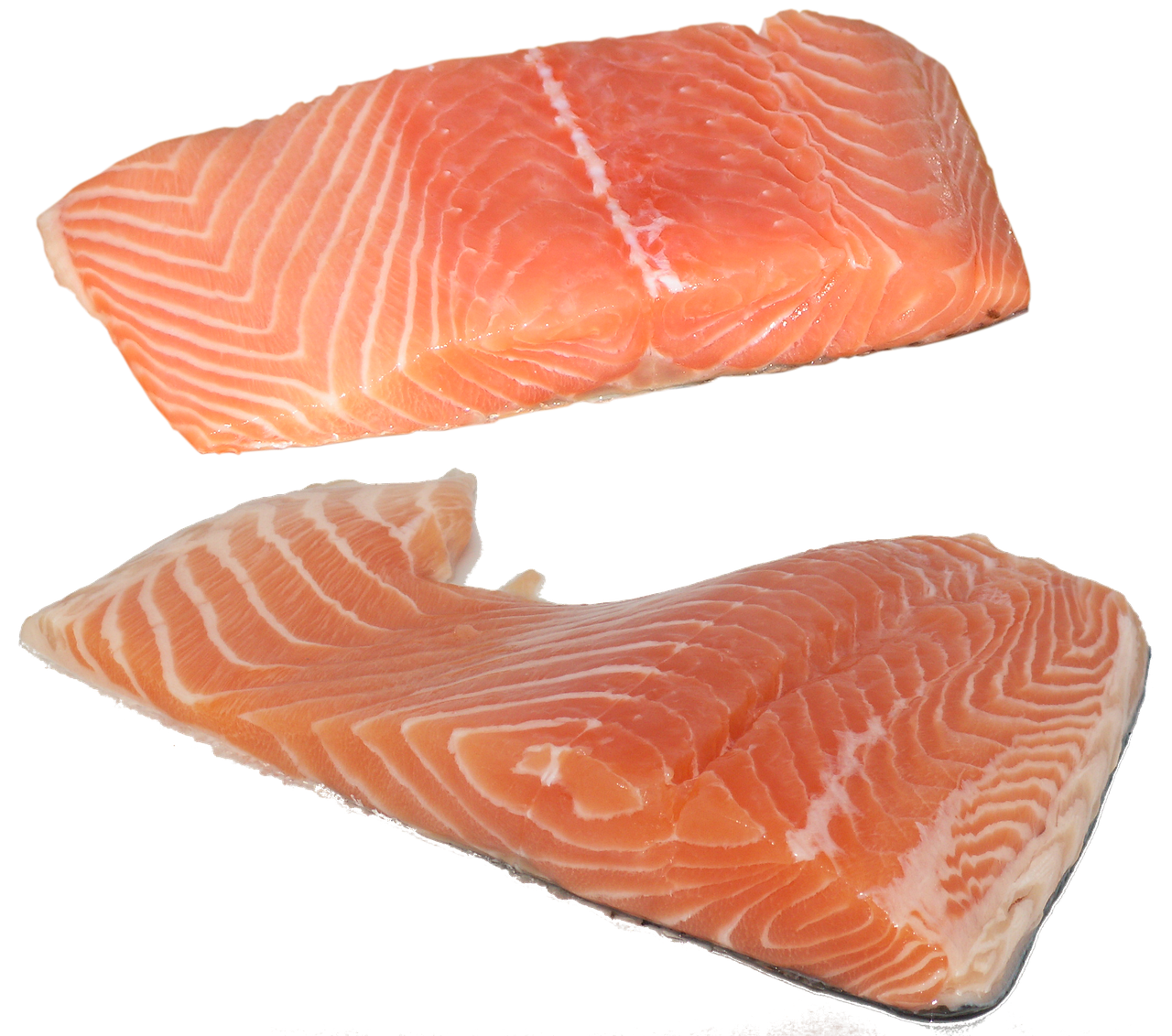

Incorporating Omega-3s in Post-Workout Meals
Post-workout nutrition plays a crucial role in recovery and muscle growth for anyone engaged in bodybuilding. Among the essential nutrients to include in your meals, Omega-3 fatty acids stand out due to their numerous health benefits. Omega-3s can be found in various foods, helping reduce inflammation and potentially speeding up recovery after strenuous activity. Foods rich in Omega-3s, such as fish, flaxseeds, and walnuts, should be considered as staples in a bodybuilder’s nutrition plan. Ensuring adequate intake of these fatty acids contributes positively to overall health and athletic performance. In combination with protein and carbohydrates, Omega-3s enhance muscle synthesis and support metabolic functions. A well-rounded meal post-workout that includes Omega-3s might lead to enhanced muscle recovery, ensuring athletes can train harder and longer. Furthermore, Omega-3s also support heart health and cognitive function, which are essential for optimal training and mental focus during workouts. Therefore, incorporating sources of Omega-3s in post-workout meals is a beneficial strategy for anyone looking to improve their bodybuilding success.
Mixing Omega-3s with protein sources makes for a powerful recovery meal.
Omega-3 Sources for Bodybuilders
When considering Omega-3 sources, fatty fish such as salmon, mackerel, and sardines should frequently appear on your grocery list. These fish provide not only high-quality protein but also essential fatty acids, delivering multiple benefits for recovery. If you prefer plant-based sources, flaxseeds, chia seeds, and walnuts are great alternatives. They offer Omega-3s in the form of alpha-linolenic acid (ALA), which the body can convert, albeit inefficiently, into the more potent forms found in fish. Making these adjustments in your post-workout nutrition can yield visible improvements in your recovery times. Combining your protein shake with a tablespoon of flaxseed could enhance its nutritional profile significantly. In addition, Omega-3 supplements like fish oil capsules can be a convenient choice for those who struggle to consume enough fish in their diet. Although whole foods are preferred, supplements can help meet your Omega-3 requirements when necessary. Therefore, explore various options to discover which sources work best for your preferences and nutritional needs.
Omega-3 supplementation may be beneficial, particularly for those who don’t eat fish.
The Role of Omega-3s in Muscle Recovery
The benefits of Omega-3s extend beyond just inflammation reduction; they also contribute to muscle recovery in significant ways. Post-workout, muscles experience micro-tears which require repair and time to heal. Omega-3 fatty acids can aid this process by promoting protein synthesis and muscle regrowth. Studies suggest that incorporating these fatty acids into your post-workout routine may yield better recovery outcomes compared to traditional approaches. Adequate Omega-3 intake facilitates nutrient delivery to damaged cells and supports cellular signaling pathways associated with muscle repair. Furthermore, research indicates that Omega-3 supplementation can reduce soreness, allowing athletes to perform their workouts with less discomfort. As part of a comprehensive post-workout meal, Omega-3s, along with carbohydrates and proteins, create an ideal environment for effective recovery. Including them in your diet ensures you maintain optimal muscle health and performance throughout your bodybuilding journey. Therefore, prioritize the incorporation of Omega-3s in post-workout meals for the best results.
List out your favorite Omega-3-rich foods to include in your meal prep.
Combining Omega-3s with Carbohydrates and Proteins
When creating post-workout meals, it’s crucial to combine Omega-3s with sufficient carbohydrates and proteins. Carbohydrates replenish glycogen stores that are depleted after workouts, while protein is essential for muscle repair and growth. Integrating these three macronutrients creates a balanced meal that optimizes recovery time and enhances muscle gains. A simple example of such a meal could be grilled salmon served with quinoa and steamed vegetables. This meal not only offers Omega-3s, but also provides high-quality protein and complex carbohydrates, thus fueling recovery. It’s vital to aim for a meal within 30 to 60 minutes following exercise, as this is when your body is primed for nutrient absorption, particularly after weight training sessions. To maximize the benefits, keep meal prep simple and convenient. Consider batch cooking fish, grains, and veggies to have ready-made meals on hand for post-workout consumption, ensuring that you never miss out on the vital nutrients necessary for recovery. Therefore, balance your meals and ensure Omega-3s are always included.
Maintaining variety in your meals helps with compliance and nutrient intake.