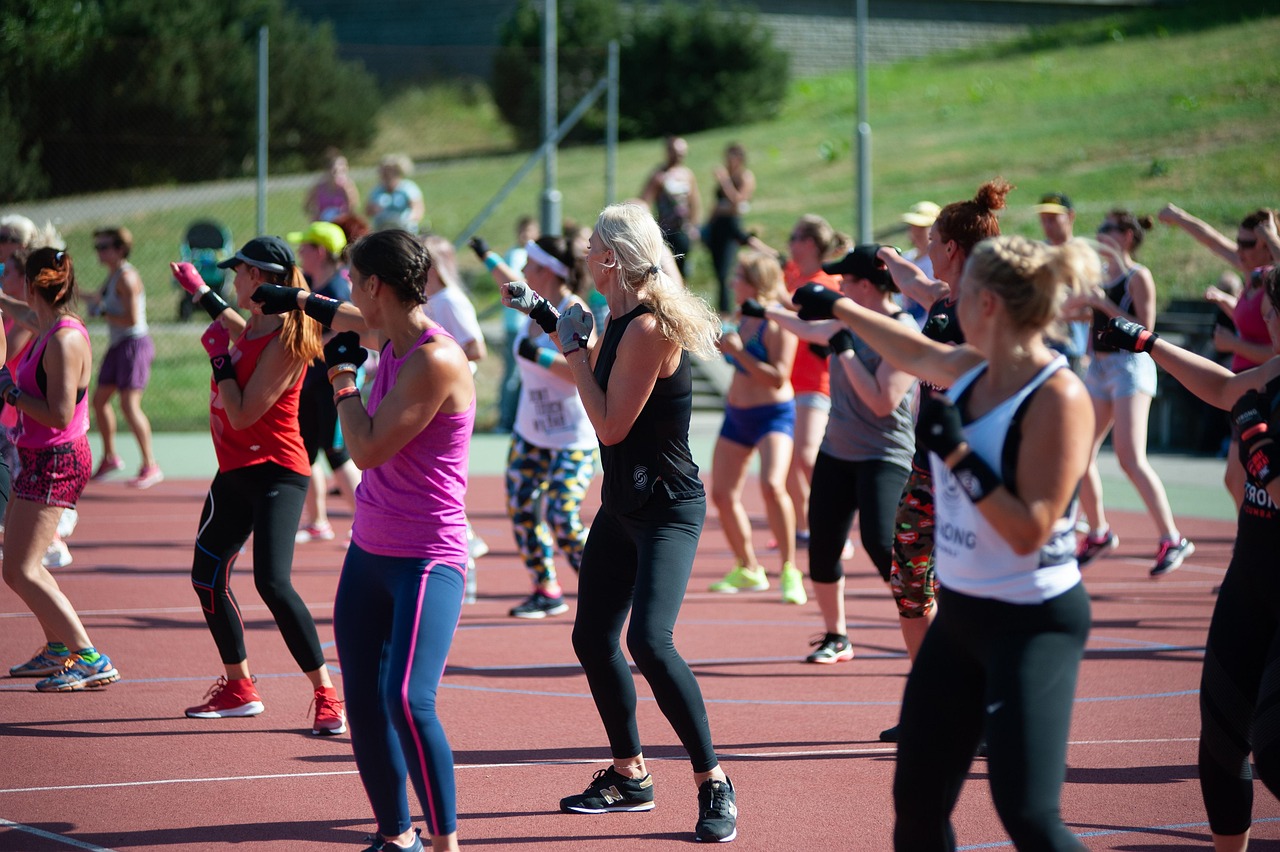

Encouraging Group Cohesion in Dance Fitness Classes
In dance fitness classes, creating a sense of group cohesion is essential for enhancing the overall experience for participants. Cohesion fosters connection among members, motivating them to support one another. A cohesive group dynamic increases retention rates and encourages participants to push each other in a positive way. To enhance cohesion, instructors can implement several strategies during sessions. For instance, initiating ice-breaking activities at the beginning of each term can make members feel more comfortable. When individuals share personal dance fitness goals, it provides a bonding opportunity that helps build trust among participants. Furthermore, integrating team challenges and partner work can also strengthen connections. When members work together towards common objectives, they create an environment where collaboration thrives. Also, promoting positive communication is vital for maintaining good rapport within the group. Instructors should encourage members to cheer for each other’s accomplishments, no matter how small. When individuals feel valued and supported within a group, they become more committed. Overall, fostering group cohesion is an ongoing process that requires a thoughtful approach from the instructor and genuine effort from participants.
To promote cohesion in dance fitness classes, consider celebrating achievements as a group. Recognizing milestones together instills a collective spirit, fostering a sense of belonging. When a member reaches a personal goal, celebrating it as a class emphasizes that everyone is part of the journey. Social events outside of regular classes, like team outings or dance showcases, can further strengthen bonds. These events allow participants to interact in more casual settings, thus creating friendships that last beyond fitness class hours. Instructors can create group-oriented games or activities that encourage members to work together, thus enhancing camaraderie. Identifying a ‘dance fitness buddy’ system can facilitate bonding as well. By partnering members together for certain routines or exercises, they may feel more accountable to one another. Furthermore, allowing space for feedback during sessions can promote open dialogue and support, making everybody feel heard. Instructors should facilitate discussions around what is working well and what could be improved. This transparency builds trust within the group while also enhancing personal accountability. Together, these initiatives contribute to a positive atmosphere where cohesion thrives, resulting in a more enjoyable dance fitness journey for all involved.
Creating a Supportive Environment
Creating a supportive environment is fundamental to encouraging cohesion in dance fitness classes. Participants should feel assured that the class is a safe space to express their individualities without fear of judgment. Instructors can ensure this by being inclusive and accommodating to various skill levels, which helps all members feel valued and engaged. Personalizing communication can also create a warm atmosphere; using participants’ names or complimenting their efforts during class fosters connection and encourages individuals to feel recognized. Moreover, setting ground rules regarding respect among members instigates a culture of support and encouragement. Instructors should remind participants that everyone is at different stages of their fitness journey. Reminding members that it is natural to feel challenged can ease anxiety around performing in front of others. Additionally, integrating warm-up activities that involve light-hearted fun can alleviate tension. Incorporating uplifting music that resonates with the group and aligns with the theme of the dance fitness session encourages a spirited environment where participants can thrive together. When the atmosphere becomes friendly and supportive, individuals are likely to bond better, enhancing their collective experience and boosting long-term commitment.
Another key aspect of fostering group cohesion in dance fitness classes involves cultivating a feedback-rich culture. Creating an environment where participants feel comfortable sharing their thoughts and experiences can significantly bolster rapport. Instructors should conduct regular check-ins to discuss what participants love about their classes and what improvements could be beneficial. This not only encourages conversation but also empowers individuals to voice their opinions, building trust. Moreover, dedicating time after classes for informal conversations creates opportunities for bonding. Participants can share their fitness objectives, discuss their favorite routines, or even share workout tips. Involving members in decision-making processes about future themes or class styles can also enhance a feeling of ownership. When individuals are invested in the choices made for the class, their commitment increases. This sense of empowerment fosters accountability and connectedness among members. Furthermore, listening actively to feedback demonstrates that the instructor values participants’ input, which can promote loyalty and satisfaction. Gradually, such practices weave participants into a close-knit community that enjoys and celebrates each other’s unique contributions to the collective experience.
Encouraging Collaboration and Teamwork
Encouraging collaboration and teamwork in dance fitness classes can significantly enhance group cohesion. Activities that require partners or small groups can help participants develop teamwork skills while making friends along the way. Instructors may introduce paired routines where partners rely on each other for guidance, support, and rhythm synchrony. These collaborative exercises help members develop rapport while also enhancing their dance skills and coordination. Additionally, implementing group challenges can promote a sense of competition that strengthens bonds between participants. Instructors might consider organizing dance battles or step contests that motivate members to work collectively towards winning. Fostering a playful competitive spirit can catalyze friendships, as members cheer each other on during these challenges. Furthermore, recognizing and celebrating teamwork successes publicly—such as giving shoutouts during class or posting on social media—can increase morale and promote ongoing engagement. Regularly rotating partners during class can also expose individuals to various members, further deepening relationships within the group. Emphasizing fun and creativity fosters an inclusive environment where collaboration flourishes, ultimately making each participant’s dance fitness experience more enjoyable and impactful.
Another effective way of enhancing group cohesion in dance fitness classes is by engaging participants in thematic lessons. Designing classes around specific themes or popular music can create a shared experience that draws members together in excitement. By promoting costumes in alignment with themes, participants feel part of an engaging, immersive environment. This visual element not only heightens enjoyment but also encourages camaraderie, as individuals may bond over shared interests or experiences. Additionally, setting challenges that align with themed classes serves to unify participants in common objectives. For example, during a class centered around a specific dance era, participants can challenge each other to replicate iconic moves. Instructors should also encourage members to share their thoughts or experiences relevant to the theme. This creates an opportunity for dialogue that generates a supportive dynamic among members. Thematic classes can also serve as a regular way of injecting novelty and excitement, reducing fatigue or boredom that might arise over time. Overall, thematic lessons are an entertaining approach to spark enthusiasm, deepen connections, and enrich the class experience, leading to lasting relationships among participants.
Concluding Thoughts
In conclusion, fostering group cohesion in dance fitness classes can significantly enhance participant engagement and retention. By implementing strategies such as promoting open communication, celebrating achievements, and creating inclusive environments, instructors can cultivate a positive atmosphere where relationships flourish. Understanding that every member has different strengths fosters acceptance and appreciation, thus enhancing trust within the group. Incorporating collaborative activities like paired routines, themed lessons, and team challenges helps to build a sense of belonging that participants crave. Building strong connections not only boosts motivation but also creates a supportive network that benefits everyone in the class. Continuous feedback and maintaining connections through social events are essential to solidifying relationships over time. It’s important to acknowledge the journey members share in these classes, allowing for personal growth while also nurturing friendships. Ultimately, when participants feel included and valued, they are more likely to commit long-term to their fitness journey and foster ongoing connections. As fitness leaders, investing time in cultivating group cohesion will transform dance fitness classes into vibrant communities of support, growth, and joy for all involved.
To create a lasting impact, instructors should spend time understanding the unique dynamics of their classes. Engaging with participants and recognizing their individual needs can lead to a more tailored fitness experience. Fostering strong bonds enables members to uplift each other, creating a sense of unity and purpose. In the long run, these vibrant communities thrive beyond the confines of the dance studio, encouraging individuals to continue their fitness journey both inside and outside of class. As members develop lasting friendships, they will not only grow as dancers but also as individuals. The ripple effects of group cohesion extend far beyond dance, influencing overall well-being and quality of life. Regular classes can become a source of joy, challenge, and enrichment that participants look forward to each week. In doing so, instructors play a crucial role in shaping the narrative of the dance fitness experience, leaving an indelible mark on the lives of their participants. Cohesion can be achieved through intentional efforts and consistent engagement. When dance fitness classes are rooted in strong relationships and support, they transcend routine exercise, evolving into a fulfilling journey of connection and growth.