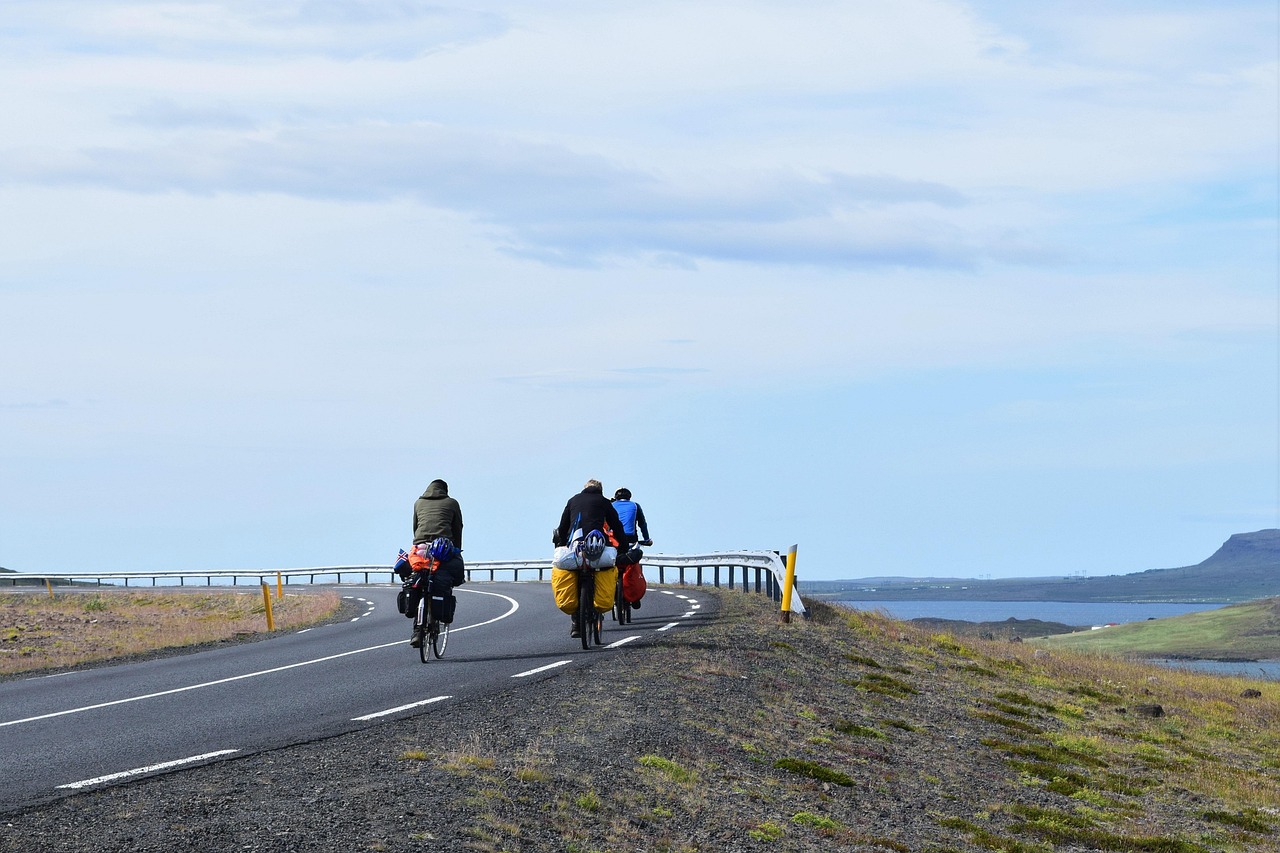

The Benefits of Bike Touring for Mental Health
Bike touring offers myriad benefits that significantly contribute to mental health and well-being. This activity allows individuals to escape from the daily grind and immerse themselves in nature. The rhythmic pedaling and fresh air bring immediate stress relief, allowing a person to recharge both mentally and emotionally. When riding through scenic landscapes, it becomes easier to reflect on life’s challenges and find clarity. Physical movement and environments experienced during a bike tour can evoke feelings of happiness and peace, enhancing overall mood. Moreover, the exercise itself releases endorphins, proven to combat anxiety and increase feelings of joy. Joining a group for bike touring can foster social connections, reducing feelings of isolation. Cycling with friends or family can create shared experiences and strengthen bonds. Additionally, visiting new places allows for a sense of adventure and excitement. Touring introduces individuals to different cultures and diverse people, which can enhance one’s perspective on life. Therefore, embarking on a bike tour is not just an excellent way to improve physical fitness but also an excellent method to boost mental health and cultivate lasting happiness. These elements combined make bike touring an appealing escape for many.
As the importance of mental health awareness grows, engaging in activities like bike touring becomes increasingly vital. The act of cycling itself promotes mindfulness, as it encourages participants to focus on the present moment. When cycling, one must pay close attention to the surroundings, breathing rhythm, and physical sensations. This level of concentration helps to quiet racing thoughts and anxiety, fostering a sense of calm and balance. Furthermore, when you cycle through beautiful scenery, your brain is flooded with positive stimuli. Nature has a calming effect on the mind, which can promote feelings of gratitude and connection. Studies have shown that spending time outdoors can significantly enhance mental well-being. Biking allows individuals to reconnect with nature while engaging in physical activity, thus improving both mental and physical health holistically. The experience can also foster creativity and inspire new ideas, as being in nature often boosts divergent thinking and problem-solving skills. Practices such as bike touring encourage a sense of independence and accomplishment, leading to increased self-esteem. These emotional and cognitive aspects of bike touring offer essential benefits for those struggling with mental health issues or seeking to enhance their emotional resilience.
The Role of Routine in Mental Health
Creating a routine centered around bike touring can yield lasting benefits for mental health. Establishing a regular schedule for cycling helps incorporate exercise into daily life, which can alleviate stress and provide structure. Bike touring offers an excellent way to maintain a sense of routine while enjoying the benefits of being outdoors and exploring new locations. Participants can look forward to planned bike tours, which helps cultivate excitement and motivation. Setting goals, such as distance or new routes, fosters a sense of purpose and accomplishment, which can combat feelings of stagnation. Engaging in such habits allows individuals to disconnect from everyday pressures while reinforcing healthy behaviors. Furthermore, a structured approach to bike touring can help individuals make new friends and build a supportive community. Joining clubs or community events can enhance social networks, creating opportunities for shared experiences. The friendships formed through cycling often come with mutual understanding and support, which is invaluable for mental health. Additionally, returning to familiar routes can create a comforting sense of predictability and safety, which can be crucial in navigating stressors in life. All in all, routines around bike touring can contribute to significant mental health improvements.
The meditative quality of bike touring can profoundly impact mental well-being. As riders pedal through scenic landscapes, they often find a rhythm that encourages deep thought or a peaceful blank slate for the mind. This meditative experience allows for introspection, helping riders connect with their thoughts and feelings. Moreover, bike touring is a unique form of exercise that combines cardio with leisurely exploration, making it easier to maintain a pace that suits personal comfort levels. This adaptability allows individuals to experience the physical benefits of cycling without feeling overwhelmed. Engaging in physical activity has been shown to reduce symptoms of depression and anxiety, making bike touring an excellent way to counteract these issues. With regular participation, individuals often report improved mood and a greater overall sense of well-being. The scenic routes of bike touring stimulate the senses and foster relaxation, helping to clear mental fatigue. Additionally, the endorphins released during cycling contribute positively to mood regulation. Taking breaks to enjoy nature during a tour allows participants to absorb their surroundings, enhancing the experience and solidifying its positive effects on mental health.
Connecting with Nature
One of the most rewarding aspects of bike touring is reconnecting with nature. Engaging with natural environments stimulates feelings of peace and happiness, which can significantly improve mental health. Studies have shown that time spent outdoors plays a crucial role in reducing stress and anxiety levels. While pedaling through diverse ecosystems and landscapes, riders can experience a variety of positive emotions. The sounds of nature, such as rustling leaves and birds chirping, can evoke feelings of relaxation and tranquility. Moreover, observing wildlife and changing scenery can stimulate curiosity and promote a sense of wonder, helping individuals forget their worries momentarily. The exposure to sunlight while riding can boost Vitamin D levels, which correlates with enhanced mood and overall well-being. By combining physical activity with the natural world, bike touring stands out as a unique way to experience the numerous mental health benefits associated with outdoor exposure. Participants can gain a deeper appreciation for their surroundings, leading to an enhanced sense of gratitude and fulfillment. Ultimately, this connection to nature found through cycling can foster a healthier mind and vibrant spirit, contributing significantly to long-term mental health.
In addition to the physical benefits of cycling, bike touring has profound implications for personal growth and self-discovery. As individuals embark on longer journeys, they often find themselves challenged, leading to personal reflections and new insights. The time spent on the bike offers ample opportunities for introspection away from daily distractions. As riders navigate unfamiliar terrain, they may also discover latent strengths, resilience, and adaptability. This process in itself can be empowering, assisting individuals in overcoming insecurities or previous challenges they faced. Furthermore, setting out on a bike tour instills a sense of adventure that can reignite passion in life, fostering a more positive outlook. They can inspire individuals to face personal fears, step outside comfort zones, and try new experiences. The self-confidence gained through these challenges often extends to other aspects of life, paving the way for enhanced mental strength and emotional resilience. With a focus on personal growth alongside shared experiences in touring, individuals can form strong bonds and support systems that enhance their well-being. Thus, bike touring not only serves as a physical endeavor but also as a catalyst for personal transformation.
Finding Balance and Mindfulness
One of the most significant benefits of bike touring lies in its ability to cultivate balance and mindfulness. The combination of physical activity and immersion in nature creates an experience that encourages individuals to embrace the present moment. Unlike many high-pressure activities, bike touring allows for a slower pace, promoting mindfulness practices as individuals engage with their surroundings. Feeling the wind on their face, observing the environment, and experiencing the rhythm of the ride helps cyclists tune into their bodies. This level of engagement promotes self-awareness, as participants learn to listen to their bodies and respond to their needs. Moreover, cultivating mindfulness during tours enhances the joy of the experience, as riders become more aware of the beauty around them. Mental clutter diminishes, leading to a clearer mind and greater inner peace. By focusing on each pedal stroke and the details of the journey, one can develop essential coping strategies for daily life. As a result, incorporating bike touring into one’s routine can significantly improve how individuals approach challenges, fostering a sense of calm, balance, and well-being throughout life.
In conclusion, the mental health benefits associated with bike touring are extensive and varied. This enriching activity offers more than just physical fitness; it also fosters emotional well-being and personal growth. Engaging in cycling promotes mindfulness, stress relief, and a stronger connection with nature. Bike tours provide opportunities for solitude, introspection, and social interactions that are essential for mental health. The structure of regular touring can create a sense of routine, enhancing feelings of purpose and accomplishment. Furthermore, through the challenges faced on cycling journeys, individuals can develop resilience and strength, which help build confidence and emotional stability. Embracing the beauty of nature while cycling can evoke happiness and gratitude, providing a necessary escape from daily worries. Ultimately, the holistic benefits of bike touring make it a powerful ally in maintaining and enhancing mental health. By prioritizing such activities in life, individuals can prioritize their mental well-being. Each bike tour creates memories, strengthens bonds, and enriches experiences, ultimately contributing to a more fulfilling and balanced life. Therefore, everyone should consider bike touring as a viable option for fostering lasting mental health improvements.