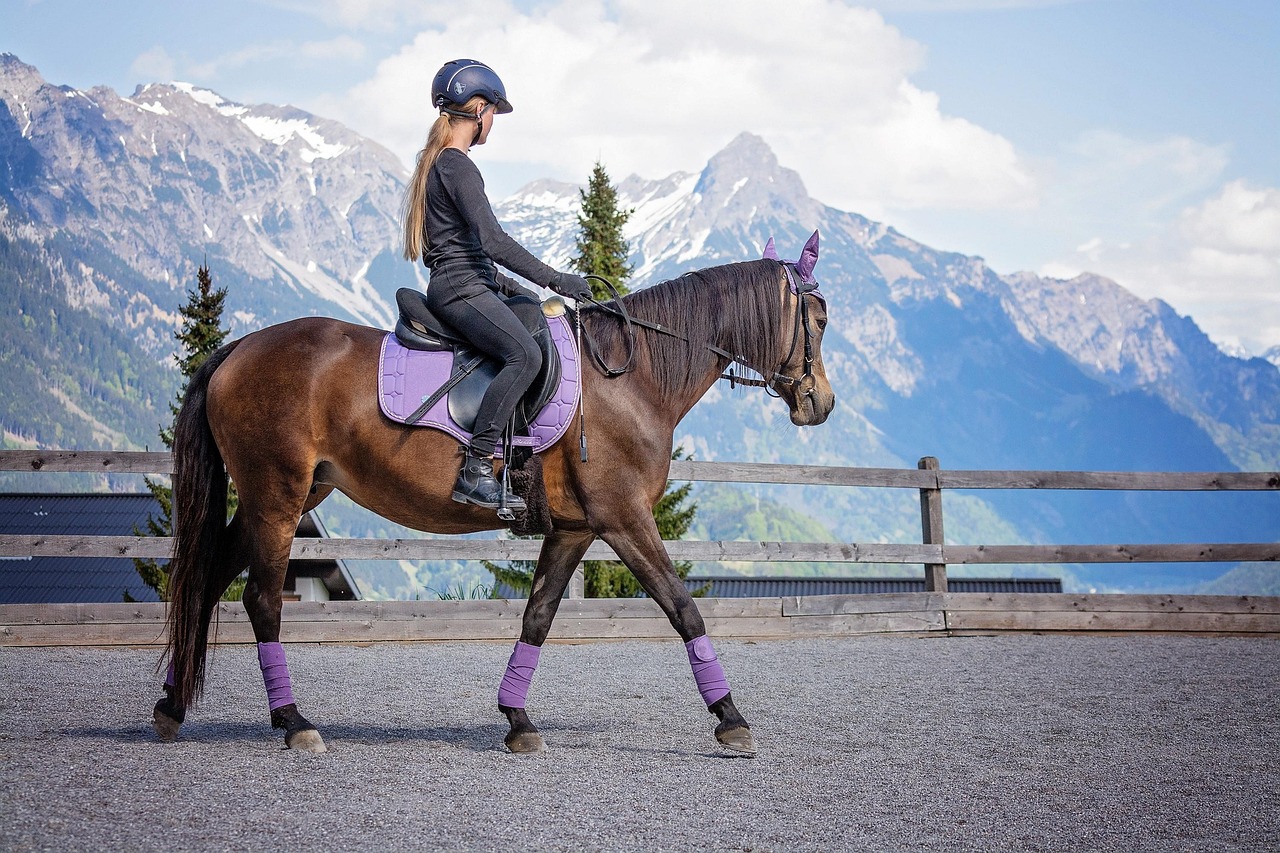

Building Core Strength for Better Balance in Equestrian Sports
Core strength is essential for equestrians, as it significantly impacts their balance and control while riding. A strong core stabilizes the body and supports proper posture, enabling riders to communicate effectively with their horses. Developing core strength allows equestrians to maintain alignment and control over their movements during various riding disciplines. This control is particularly important during jumps, turns, and intricate maneuvers. Strengthening the core helps to reduce the risk of injury, enhances performance, and improves overall ride quality. Equitation requires a delicate balance between the rider and the horse, ensuring that both work harmoniously together. Riders who possess greater core strength often find it easier to manage their weight distribution and positioning, especially during dynamic movements. Various exercises can enhance core strength, focusing on different muscle groups. Resistance training and bodyweight exercises are effective methods for developing a strong core, crucial for equestrian athletes. An emphasis on core workouts not only aids balance but also cultivates endurance and resilience in competition settings. Understanding the significance of core strength is vital for anyone serious about improving their equestrian skills and performance.
Core exercises are vital components of an equestrian training regimen, specifically focusing on core stability and strength. Key exercises such as planks, bridges, and medicine ball rotations help target these muscles effectively. Each of these exercises contributes to improved rider performance by fostering balance and coordination. Planks can be performed in various forms, including side planks, to engage different areas of the core. Bridges are effective for the glutes and lower back, encouraging a strong base for stability. Medicine ball rotations enhance rotational movements, essential for dynamic riding techniques. Incorporating these exercises into a routine can make a noticeable difference in a rider’s performance. It’s important to progressively increase the difficulty as strength improves, ensuring continued development. Riders should also focus on maintaining proper form to avoid injury while maximizing the benefits. Balancing core workouts with strength training for other muscle groups is crucial for holistic development. This combination allows for comprehensive fitness that supports all aspects of riding. Consultation with a fitness professional experienced in equestrian sports can help establish effective training programs tailored to individual needs.
Benefits of Core Strength Training in Equestrian Sports
Fostering core strength offers numerous advantages for equestrians. One of the most significant benefits is enhanced stability, which leads to improved balance on horseback. This stability is crucial, particularly when performing advanced techniques or navigating unpredictable environments. A well-developed core acts as a support system for the entire body, allowing for precise movements and reactions when riding. Increased core strength also helps to reduce fatigue during lengthy rides or competitions. This means that riders can maintain focus and engage actively for longer durations. Additionally, strong core muscles bridge the gap between physical strength and mental confidence, leading to improved performance. Improved balance equates to better communication with the horse. Riders can cue their horses more efficiently, responding fluidly to their movements. This creates a smoother overall riding experience for both horse and rider. By prioritizing core strength training, equestrians can expect to see advancements, not only in performance but also in their relationship with their equine companions. Embracing core conditioning methods contributes to longer-term success in equestrian sports, laying a solid foundation for various riding disciplines.
Core strength training also promotes injury prevention, which is essential for equestrians, who often face physical challenges. A strong core helps to protect the spine and reduces the risk of back injuries while riding or engaging in other activities. This durability is particularly crucial as equestrian sports can involve unexpected falls or movements that strain the body. Engaging in consistent core workouts reinforces muscle support around the spine, thereby enhancing the rider’s resilience. Equestrians often experience muscle imbalances due to the unique demands of riding. Focused core training helps to address these imbalances, leading to improved functionality. Strengthening core muscles equally aids in recovering from previous injuries, offering support and stability needed for effective rehabilitation. In addition to physical benefits, cultivating core strength can lead to increased confidence in the saddle. Riders who feel secure and stable are less likely to become anxious during challenging moments, fostering a better overall riding experience. Employers within the equestrian sphere are also increasingly recognizing the importance of physical preparation in ultimately achieving high performance goals, encouraging riders to prioritize core conditioning in their training routines.
Implementing Core Strengthening Routines
To successfully integrate core strength training into an equestrian regimen, establishing a well-rounded routine is essential. This routine should balance core-specific exercises with overall body conditioning, emphasizing strength, flexibility, and endurance. Riders should aim for at least two to three core workouts a week, without neglecting other muscle groups. Variety plays an important role in workouts, preventing plateaus and maintaining engagement. Incorporating a mix of stability ball exercises, resistance band training, and Pilates can provide an effective approach to core strength development. Cross-training with swimming or cycling can further augment overall muscle conditioning. Timing is also an essential factor; coupling core workouts with riding practice optimizes strength performance in real-time riding scenarios. Also, allowing adequate recovery time is critical, as muscles need time to repair and grow stronger. Riders should listen to their bodies and adjust their training schedules accordingly. Maintaining a journal to record progress, feelings, and achievements can contribute positively to motivation. By staying committed to a comprehensive core routine, equestrians enhance their abilities, ensuring longevity in the sport while also developing a deeper connection with their horses.
In conclusion, developing core strength is paramount for better balance in equestrian sports. The benefits span from enhanced performance to injury prevention and increased rider confidence. Riders who prioritize core conditioning gain the upper hand in competitive scenarios, mastering advanced techniques more effortlessly. The relationship between horse and rider flourishes when the rider is empowered physically. Therefore, riders are encouraged to consistently implement core workouts incorporating a variety of techniques tailored to their specific needs. Athletes should remain vigilant and continuously improve their strength training routines, adjusting them as necessary for optimal results. Consulting with fitness professionals or physical therapists can provide additional insights into efficient programs. Developing core strength is not a quick fix; it requires dedication, practice, and a positive mindset. However, the eventual rewards will manifest in improved performance, resilience against injuries, and a deeper bond with horses. The journey of building core strength leads to a more fulfilling equestrian experience. Committing to core training today will pave the way for greater achievements tomorrow, fostering long-lasting growth and success in equestrian disciplines across the board.
It’s important to remember that nutrition, along with training, plays a significant role in improving core strength. A balanced diet supports muscle recovery and energy levels essential for rigorous training. Including protein-rich foods, whole grains, fruits, vegetables, and healthy fats fuels not only workouts but overall physical health. Staying hydrated enhances muscle function and aids recovery, making it a cornerstone of an effective conditioning program. Riders should pay attention to their body’s needs, adjusting their nutrition according to training intensity and personal goals. Supplements like protein powders or performance-enhancing nutrients may also be beneficial, but it’s essential to consult with a healthcare provider before introducing anything new. Sleeping adequately promotes recovery and overall well-being, which is crucial for anyone engaged in an active sport. Incorporating restorative practices such as yoga and mindfulness can support the mental aspect of training. Developing a comprehensive approach that links physical training, nutrition, and mental preparation will elevate equestrian skills. Riders are encouraged to view their training as a holistic endeavor, nurturing every aspect of their performance. Thus, the journey towards enhanced core strength will significantly contribute to a well-rounded equestrian experience for all athletes.
As the world of equestrian sports evolves, the focus on strength and conditioning becomes increasingly vital. Riders must adapt their training to include effective core workouts for peak performance. Those who recognize the importance of this aspect will excel, while others may fall behind in this competitive field. Engaging in even simple core-strengthening exercises can elevate skills, setting the foundation for successful riding experiences. Therefore, taking time to learn, practice, and refine core strength methods is beneficial not only for immediate performance but for longevity in the sport. Commitment and consistency are non-negotiables—it is crucial to honor the training process. Developing adaptability within both physical and mental practices will serve equestrians well, allowing them to navigate challenges more efficiently. The journey ahead is filled with potential for personal growth as riders invest in their physical capabilities. Supporting industry-wide discussions around strength conditioning can inspire improvements, creating increased awareness about the significance of core strength in equestrian sports. An emphasis on this strength will pave the way for future generations to flourish in equestrian disciplines, ensuring that riders continue to thrive in their equestrian journeys.