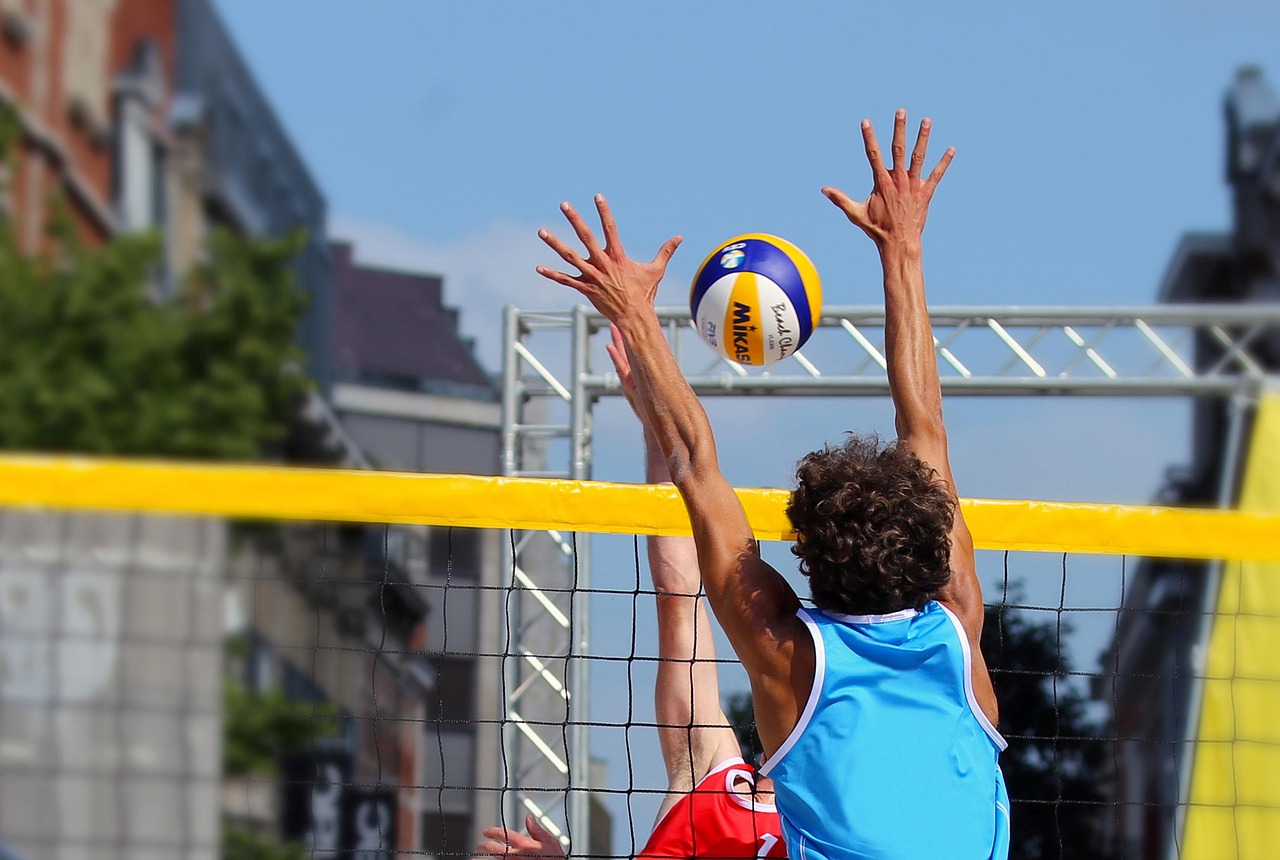

Effective Conditioning Drills for High School Volleyball Players
High school volleyball players must focus on developing a solid conditioning base to increase their performance. Effective conditioning drills can lead to improved speed, agility, and endurance on the court. One essential drill is the “Suicides” drill, which enhances cardiovascular stamina, crucial for the high-paced nature of volleyball. Players should set up cones or markers 10, 20, and 30 feet apart, sprinting to each marker and back. This drill not only boosts anaerobic capacity but also helps in developing quick lateral movements. Another impactful drill is the “Shuttle Run,” which emphasizes speed and agility, essential for making quick plays. Players must sprint back and forth between two points, improving their explosive strength. Incorporating varied footwork patterns into agility ladders enhances coordination and quick steps necessary for effective set movements. Add strength training in the routine with exercises like squats and lunges, focusing on leg power. These exercises contribute to jumping height, enabling better spike execution. Ensuring proper hydration during these drills cannot be stressed enough. Always hydrate before, during, and after practice to maximize performance and recovery.
Another excellent conditioning drill is the “Box Jump.” This exercise focuses on improving explosive leg strength, which is indispensable for a successful jump serve or block. Players should start with a stable box or platform, jumping onto it while keeping their knees aligned with their toes. This drill not only enhances vertical jump but also increases awareness of landing mechanics, preventing injuries. Additionally, the “Plank hold” is incredibly effective for core stability, vital for maintaining balance during quick plays. Players should hold the plank position for as long as they can, gradually progressing towards maintaining it for two minutes. Make sure to integrate “High Knees” into training routines to enhance sprinting technique and strengthen hip flexors. This drill can be performed in short bursts of 20 seconds followed by rest intervals to mimic the game. As players gain strength, implement interval training for enhanced speed and speed endurance. This technique involves varying intensity for short bursts, helping simulate match conditions. Lastly, consider including “Dynamic Stretching” before workouts to prevent injuries and improve flexibility. These drills pave the way for better performance on the court.
Incorporating Plyometrics for Versatility
Plyometric exercises further develop strength, power, and speed crucial for volleyball success. Incorporating “Depth Jumps” into training can significantly enhance a player’s vertical leap. This drill involves jumping off a box or platform and immediately rebounding as they touch the ground. Players should aim for maximum height in their rebounds, mimicking the explosive nature of volleyball spikes. Another effective plyometric drill is the “Broad Jump,” which builds leg strength and overall explosiveness. Training in different directions prevents muscle imbalance and improves performance on the court. Ensure adequate rest between repetitions for optimal recovery and effectiveness. Keeping sessions balanced helps players avoid fatigue and overuse injuries. To enhance coordination and balance, add the “Single-leg Hop,” focusing on landing softly and maintaining control. Strengthening the muscles in the legs while training stability provides a foundation for improved agility and quick lateral movements. Finally, pairing these drills with consistent core workouts ensures stability, promoting greater performance. As players master these techniques, consider incorporating game-like situations in drills for translatable skills, honing both their conditioning and volleyball performance effectively.
Furthermore, sprinting drills should be a staple in any conditioning program. Use “Agility Cones” for short sprints, changing directions quickly to mirror real-game scenarios. Setting up various cones in zigzag patterns encourages quick lateral movements and helps players become better at anticipating plays. A structured approach with these drills not only improves cardiovascular fitness but strengthens lower body endurance, making returns easier. Another crucial element involves cooling down after every workout session. Stretching targeting major muscle groups reduces soreness and enhances flexibility. Static stretches after conditioning drills create balance within a training routine. Neglecting to properly cool down might lead to stiffness or injuries. Team practices should also include conditioning as an integrated part of warm-ups. Incorporating fun challenges like relay races can foster teamwork and camaraderie while developing fitness. Before competitive seasons, players should aim for at least three to four weeks of dedicated conditioning work to prepare their bodies adequately. A synergized approach ensures that both skill practices and conditioning complement each other, preventing burnout during intense training sessions. Keeping workouts varied maintains motivation among players while achieving essential conditioning milestones.
Individualized Conditioning Plans
It’s essential to adapt conditioning drills to cater to individual athlete needs. Each volleyball player possesses unique fitness levels, and personalized plans lead to better outcomes. Coaches can assess each player’s strengths and weaknesses, allowing for targeted drills that focus specifically on their improvement areas. Beginning with baseline fitness tests can create benchmarks to measure progress effectively. Athletes should maintain records of their performance during drills to track improvements over time, highlighting personal achievements and failures. Emphasizing the importance of rest days for recovery can’t be overlooked. Implementing rest into training culture enhances performance by preventing injuries and allowing muscles to repair. Additionally, integrate nutritional education into conditioning plans, encouraging athletes to fuel their bodies correctly. Proper nutrition plays a key role in performance, ensuring players possess the energy necessary for both practices and matches. Consider employing the use of wearable technology to analyze performance during conditioning drills—monitor heart rates, fatigue levels, and overall conditioning. This information will inform future training decisions, helping tailor each individual’s regimen. Such insights prevent plateaus, ensuring all athletes continuously make strides toward their conditioning goals effectively.
Moreover, engaging in team-based conditioning not only builds fitness but fosters camaraderie. Fun competitions or challenges during conditioning routines create a motivational atmosphere. Pair athletes to encourage friendly rivalry in completing set drills or races, enhancing their commitment. This camaraderie promotes unity while also allowing players to learn from one another. Coaches should play a vital role here, creating an environment where players feel supported in their endeavors. Conducting conditioning sessions outdoors when possible also adds joy to workouts while improving mental well-being. Incorporating nature into training enhances focus, recharging athletes mentally. As seasons change, adapting conditioning drills involving weather variations can also develop resilience among players. Athletes learn to withstand different conditions, complementing their mental game effectively. It’s important to continue evolving drills as players advance their skills, ensuring sessions remain challenging and engaging. Gradually increasing the intensity or complexity of drills will continuously push athletes toward their conditioning goals. Staying proactive ensures well-rounded teams, all poised to handle whatever challenges they may face on the court.
Measuring Progress in Volleyball Conditioning
Finally, measuring progress plays a crucial role in the overall effectiveness of conditioning drills. Setting measurable goals is essential for athletes to maintain motivation. Goals should be specific, measurable, achievable, relevant, and time-bound (SMART). This strategic goal-setting framework promotes purposeful training and allows players to understand their performance advancement clearly. Regular assessments can help recognize areas where players excel and areas needing improvement. Utilizing methods such as timed sprints or endurance tests provides quantifiable data necessary for tracking progress. Coaches should maintain open communication with players to discuss developments in fitness levels continually. Regular feedback contributes positively to motivation levels, as athletes see the fruit of their hard work. Consider employing both qualitative and quantitative data to create a holistic view of conditioning effectiveness. This dual approach assesses both personal experiences and measurable outcomes. Engage athletes in discussions about their ongoing goals, adjusting plans to foster personal accountability. When athletes take partial ownership of their conditioning routines, they are more likely to be committed to improvement efforts. Ultimately, a focus on both physical conditioning and mental resilience ensures high school volleyball players are set up for success on and off the court.