
Enhancing Tennis Performance Through Mindfulness Meditation
Meditation has emerged as a powerful tool for athletes, especially tennis players, looking to enhance mental clarity and performance. Tennis requires a high level of concentration, where players must remain focused amidst distractions. By incorporating mindfulness meditation into a training regimen, players can improve their ability to concentrate during crucial moments of matches. Mindfulness meditation teaches athletes to direct their focus, allowing them to respond more effectively to the fast-paced nature of tennis. This practice cultivates a deeper awareness of thoughts and emotions, enabling players to maintain composure under pressure. Furthermore, the enhanced mental discipline gained through mindfulness can also translate to improved physical performance. As players become more attuned to their mental state, they can better manage stress and anxiety, which often accompany competitive sports. It’s essential for athletes to explore various techniques in mindfulness meditation, as different practices resonate with different individuals. From guided sessions to silent practices, the options are diverse. By dedicating time to these techniques, athletes can develop a more resilient mental approach, leading to overall improvement on the court. Thus, integrating mindfulness meditation is crucial for modern tennis training.
The benefits of mindfulness meditation extend beyond just mental focus; they also encompass emotional regulation and resilience. In tennis, managing emotions is vital for maintaining peak performance. Players often face frustration, disappointment, and self-doubt during matches. Mindfulness meditation provides tools to navigate these emotions effectively. Through regular practice, athletes develop a more balanced emotional response to the highs and lows of competition. This balance helps players to stay present, reducing the likelihood of being overwhelmed by negative emotions. Furthermore, mindfulness promotes a growth mindset, allowing athletes to view challenges as opportunities for improvement rather than as threats. This mindset is crucial for sustaining motivation and perseverance through hardships. As players cultivate resilience, they not only enhance their capacity to perform but also enjoy the game more fully. Techniques such as breath awareness and body scan can be incorporated into practice sessions to enhance emotional awareness. Whether it’s a tense match point or a challenging training session, applying mindfulness helps mitigate stress. Thus, athletes who embrace mindfulness meditation can navigate the emotional landscape of competitive tennis more effectively.
Integrating Mindfulness into Tennis Training
Integrating mindfulness techniques into tennis training can lead to significant performance enhancements. Players often train intensely, but they may neglect the mental aspect of their preparation. By incorporating mindfulness meditation into their practice routines, athletes can bridge this gap. This can involve short meditation sessions before or after practice to help clear the mind. Sessions can focus on gratitude for the opportunity to play, which helps improve overall mindset towards training. Additionally, mindfulness can be integrated during drills by encouraging players to focus solely on the present moment, whether executing a serve or a forehand. For example, players can focus on the sound of the racket hitting the ball, the feel of the court under their feet, and their breathing patterns. This practice not only enhances performance but also fosters a deeper connection to the game. Coaches can guide players in establishing these practices through structured exercises. Over time, incorporating mindfulness into practice not only prepares athletes mentally for competition but also enriches their overall training experience. Improved habits developed through mindfulness can ultimately lead to better match outcomes.
Another important aspect of mindfulness in tennis is its role in recovery. Meditation can help athletes recover not only from physical exertion but also from mental fatigue often experienced during intense matches. After a challenging workout or match, players can benefit from dedicating time to mindfulness practices during cooldowns or recovery periods. As players rest their bodies, engaging in mindfulness meditation allows them to relax their minds, which is equally essential for overall athlete wellbeing. By focusing on letting go of the day’s stressors and visualizing positive outcomes for future matches, players can enhance their recovery process. Furthermore, this approach helps prevent burnout, which is common among athletes who push their limits excessively without adequate mental breaks. Techniques such as visualization combined with deep breathing can significantly aid in this recovery process. Recognizing the importance of holistic recovery strategies is crucial for tennis players aiming for longevity in their careers. Embracing mindfulness meditation facilitates a more balanced approach to training and recovery, essential for maintaining peak performance over time. Moreover, it fosters a sense of balance and harmony in athletes’ lives.
The Science Behind Mindfulness Meditation
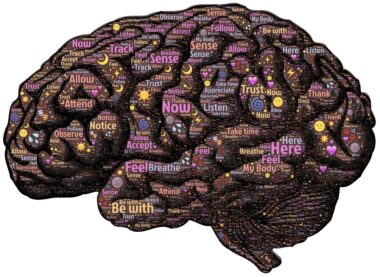
The scientific backing of mindfulness meditation for athletes offers compelling reasons to incorporate it into tennis training. Research has shown that practicing mindfulness can lead to measurable improvements in cognitive function, emotional regulation, and performance. Studies have demonstrated that athletes who engage in mindfulness techniques report lower levels of anxiety and greater focus during competitions. Furthermore, neuroscience research indicates that mindfulness meditation can physically change brain patterns, enhancing areas related to decision-making and emotional control. For tennis players, this enhanced cognitive function translates into better shot selection and tactical awareness during matches. Improved emotional regulation helps players maintain composure in high-pressure scenarios, contributing to better overall performance. Understanding how mindfulness meditation influences brain function can motivate players to incorporate regular practice into their training regimens. The growing body of evidence supporting mindfulness in sports underscores its effectiveness and provides a strong rationale for players seeking an edge in performance. Embracing these scientific findings not only enhances individual performance but also promotes a culture of mental health and wellbeing within the sport, which is paramount for long-term success.
In addition to cognitive benefits, mindfulness meditation also enhances physical aspects relevant to tennis performance. Studies indicate that mindfulness can positively impact aspects such as stamina, flexibility, and reaction time. By improving mental focus and reducing distractions, athletes can better execute physical skills essential for tennis, like powerful serves and quick footwork. The mind-muscle connection, facilitated by mindfulness, helps players become more aware of their bodies during gameplay. This awareness leads to more efficient movement patterns, reducing the risk of injury significantly. Incorporating mindful practices enhances body awareness and promotes better posture, crucial for executing effective strokes. As players become more sensitive to their bodies, they can make necessary adjustments in real-time. This can be particularly beneficial when facing opponents with different playing styles, allowing for quicker adaptations. Feelings of fatigue may also be mitigated through regular mindfulness exercises, resulting in prolonged performance capabilities. This comprehensive approach to cultivating skills through mindfulness can lead to more remarkable achievements and breakthroughs. Therefore, athletes are encouraged to include mindfulness training alongside traditional physical workouts for a more rounded approach to tennis training.
Building a Mindful Tennis Community
Creating a community centered around mindfulness practices in tennis can enhance the benefits for players at all levels. Clubs and training programs can implement mindfulness workshops and sessions for players, coaches, and support staff. Such initiatives foster a supportive environment where players can share experiences and techniques. By participating in group mindfulness activities, players can strengthen their camaraderie and build resilience together. Additionally, this fosters a culture where mental health is prioritized just as much as physical training. Introducing mindfulness challenges or group meditations allows players to cultivate a shared sense of purpose. Furthermore, engaging in these practices collectively deepens the understanding of mindfulness’s role in the sport. Workshops can draw on expert instructors who can guide participants through tailored mindfulness and meditation exercises relevant to tennis. Inviting guest speakers and experienced athletes who utilize these techniques can inspire players to incorporate mindfulness into their practices. Ultimately, a mindful tennis community supports everyone’s growth and well-being, enhancing the overall experience. The power of collective mindfulness practice can lead to more ready minds and healthier athletes who thrive on the tennis court.
Finally, mindfulness extends to the importance of self-reflection, allowing players to evaluate their performance critically. Athletes can utilize mindfulness to foster self-awareness by paying attention to their thoughts and feelings associated with practice and competition. This self-reflection leads to constructive feedback loops, enabling players to recognize areas for improvement and successes to carry forward. After matches or training, players can benefit significantly by spending time reflecting on their experiences, emphasizing on what went well and what aspects could be adjusted next time. By journaling their thoughts post-practice, athletes can track mental and physical progress over time. Moreover, regular meditation supports a compassionate view toward oneself, which is vital in avoiding discouragement during challenging times. Recognizing that mistakes are part of the learning process can help alleviate performance anxiety. The non-judgmental aspect of mindfulness encourages a positive relationship with the sport. Athletes might develop greater patience and understanding towards their journey, which exemplifies the essence of sportsmanship. Through mindful self-reflection, players can glean valuable insights, thus enhancing their overall tennis journey. Adopting this reflective approach can allow players to achieve consistent growth and improvement.