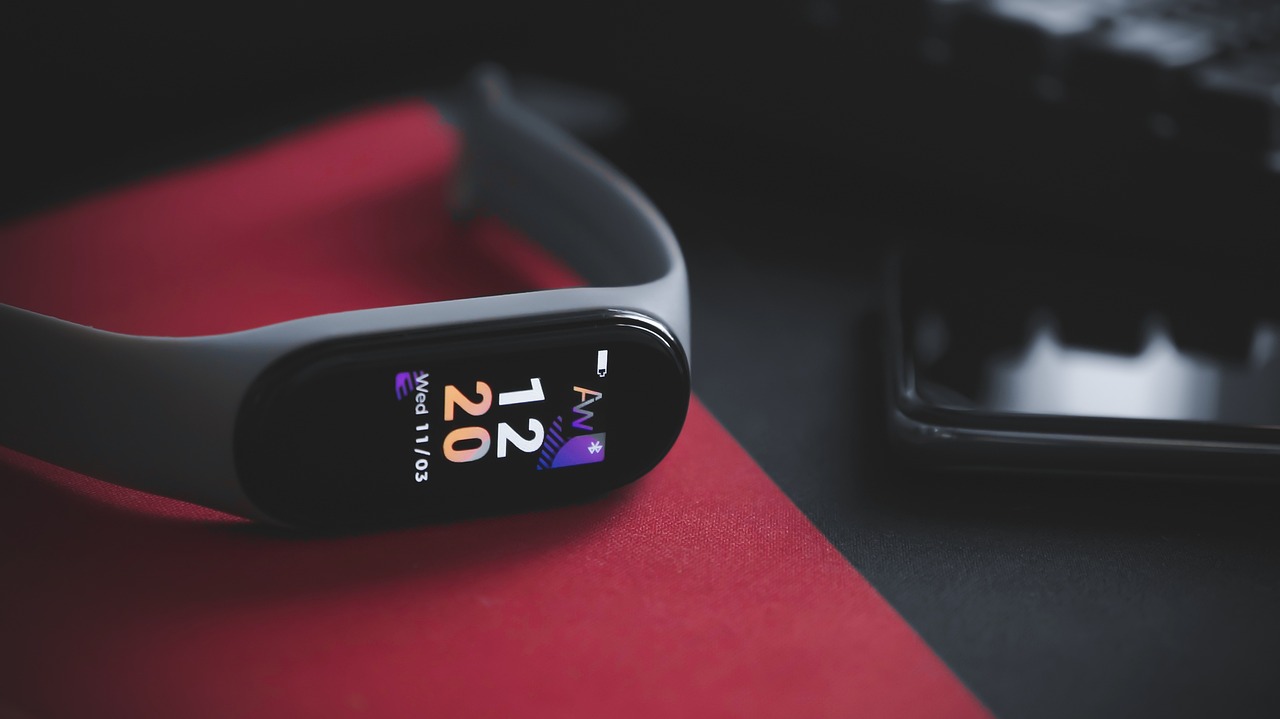

Fitness Wearables with AI-Powered Nutrition Tracking
The fitness technology landscape is evolving rapidly, especially with the integration of artificial intelligence (AI) in wearable devices. These innovations offer insightful data on nutrition and exercise, capitalizing on user engagement and health outcomes. Being able to monitor calorie intake through wearable fitness trackers represents a significant leap forward. These devices use AI algorithms to analyze personal dietary habits, providing tailored recommendations based on unique user profiles. Wearable models, equipped with advanced sensors, now enable users to track nutritional statistics effortlessly. They can calculate macronutrient breakdown alongside essential vitamins and minerals. This development turns mundane diet management into an interactive experience. Furthermore, the real-time feedback provided by wearables shifts accountability to the individual. They are encouraged to meet their health goals through data-driven insights. Users can connect their wearables to smartphone applications, where they receive notifications and alerts aligned with their fitness programs. This seamless integration creates a comprehensive approach to fitness, where nutrition and exercise are interlinked. As a result, the customer experience is enhanced, delivering motivation and support in more engaging ways, ultimately leading to better health outcomes.
One of the most remarkable trends in wearable fitness technology is the personalization of nutrition tracking. Today’s wearables are not just about counting steps or measuring heart rates. They are sophisticated devices capable of tailoring diet plans based on data analytics. By aggregating input from various sensors, fitness trackers can recommend meals that fit within user-defined fitness goals. For example, users looking to reduce body fat will receive dietary suggestions that cater to their specific caloric and macronutrient needs. The implications of such high customization revolutionize how individuals approach health and fitness. Studies show that personalized recommendations significantly enhance adherence to diet plans. With AI’s predictive analytics, users are not blindly following dietary guidelines; instead, they are making informed decisions. This level of personalized engagement empowers users to maintain motivation throughout their fitness journeys. Moreover, many of these devices employ machine learning, enabling them to continuously update recommendations as new data becomes available. Adapting to lifestyle changes, fluctuating activity levels, and even mood changes ensures a dynamic support system in health management.
The Role of AI in Nutrition Data Analysis
AI plays a pivotal role in analyzing nutrition data generated through wearables. The sophistication of machine learning algorithms enables patterns to be identified in user eating habits. For instance, these algorithms can analyze the correlation between food types consumed and performance metrics, like energy levels during workouts. By noticing such patterns, wearables can suggest food substitutions that enhance performance and recovery. Such insights help optimize not only physical output but also mood and overall wellbeing. Moreover, wearables with AI capabilities can learn from user feedback, progressively enhancing recommendation systems based on individual preferences over time. This iterative learning process means that the more a user interacts with the device, the smarter and more tailored its suggestions become. Additionally, data security measures ensure that sensitive user information remains protected. Users are more likely to engage with platforms where they feel their data is safe. Consequently, user retention increases as individuals continue integrating the technology into their daily lives. As natural language processing techniques are employed, these devices also improve in offering real-time advice that’s relatable and easy to understand, making fitness goals more accessible.
A significant advantage of AI-powered wearables lies in their ability to integrate with social platforms. Many fitness applications now combine tracking features with social sharing elements. Users can share meal ideas, workouts, and achievements with friends or the wider community. This social aspect not only boosts accountability but also creates a sense of camaraderie among users. Support and motivation through shared experiences drive users toward their goals. Social sharing also enables health-conscious communities to form, where individuals can exchange valuable information and recipes. Many wearables offer challenges and competitions, fostering a fun atmosphere around fitness. Individuals participating in friendly competitions share their meals or fitness stats, creating a gamification effect. Psychological research indicates that competition can significantly invigorate motivation levels. AI also captures user interactions within these communities, allowing for targeted improvements in suggestions based on common group behaviors. This coherence reinforces the user’s connection to their fitness journey, aligning it with their social life. By bringing social dynamics into nutrition tracking, wearables turn the solitary experience of dieting into a collaborative, enjoyable venture.
Health Monitoring and Dietary Adjustments
Health monitoring is another pivotal feature of AI-equipped wearables. These devices do not strictly track fitness metrics. They also gather data on vital signs, such as heart rate and sleep patterns. A comprehensive analysis of these health markers allows for appropriate dietary adjustments. If a user exhibits signs of fatigue or stress, the device can recommend lifestyle changes. This includes dietary suggestions designed to heighten energy levels or improve sleep quality. Such profound insights emphasize the connection between sleep, physical health, and nutrition. Users can discover which foods offer restorative benefits, thus improving overall wellbeing. Regular monitoring also enables rapid response to any alarming health metrics, promoting timely consultations with healthcare providers. AI’s ability to interpret vast data sets means that wearables can provide users with actionable insights tailored to their current health status. Consequently, users can proactively manage their health rather than reactively addressing issues post-occurrence. This shift toward preventive health potentiates a more empowered user who experiences improved health outcomes through consistent tracking.
The predictive nature of AI-based wearables extends beyond mere data collection. They offer forward-thinking solutions for healthier living by estimating potential health risks based on existing trends. For example, if a user frequently reports poor sleep along with high stress levels, a device can identify these patterns and recommend interventions. Individuals receiving these alerts can act proactively, modifying their eating habits or stress management techniques accordingly. This predictive capability helps to avert issues before they escalate. Furthermore, machine learning algorithms are invaluable in providing ongoing diet and exercise optimization strategies based on real-time health data. Recommendations become precise, empowering users with the knowledge they need to navigate their unique health journeys. These trends indicate a progressive shift from reactive to proactive health management. Additionally, users utilizing wearables are better equipped to maintain behavior change, fostering sustainable, long-term health improvement strategies. As wearables continue to evolve, their significance in supporting preventative care will only become more pronounced in personal healthcare routines.
The Future of Wearable Nutrition Tracking
Looking ahead, the future of nutrition tracking in fitness wearables appears to be brighter than ever. Continued advancements in AI technology promise to elevate user experiences in unprecedented ways. One potential development includes augmented reality (AR) features, providing users with visual representations of their nutrition intake alongside their fitness metrics. This immersive technology could revolutionize how users perceiving their relationship with food and exercise. Moreover, advancements in sensor technology will enhance the accuracy of data mined from our bodies. Precisely understanding nutritional requirements based on metabolic rates will pave the way for even more tailored experiences. We can expect more partnerships between tech companies and nutritionists. Collaborating will yield comprehensive dietary programs represented through wearables. This integration creates a holistic approach to health that combines exercise, mental well-being, and nutrition in a unified platform. As a result, users will experience enhanced support across all dimensions of their fitness journeys. The synthesis of cutting-edge technology and personalized nutrition will fundamentally change how individuals view their health, creating a lasting impact on global health standards.
In summary, the emergence of AI-powered nutrition tracking within wearable fitness technology marks a significant transformation in health management. Through personalization, enhanced mental and social engagement, and real-time health monitoring, users can embrace a new standard for maintaining their well-being. This evolution promotes accountability while actively supporting behavior change. With the continuous integration of advanced AI technologies, the potential for improved health outcomes becomes limitless. As we transition into a future where wearables are ubiquitous, the ongoing development of these features will likely captivate more users, making fitness tracking indispensable. Emphasis will shift toward a preventative approach to nutrition. More and more individuals will engage with their diets, understanding their unique needs to maximize their health. By creating a tailored experience around fitness and nutrition, wearables will redefine our collective attitude toward health. The world will become increasingly aware of the importance of nutrition as a cornerstone of fitness. This creates a community of informed and health-conscious users dedicated to personal improvement. Overall, AI-driven fitness wearables equipped with nutrition tracking will herald a new epoch in personal well-being.