
Use of Sports Massage in Cold and Hot Weather Training Conditions
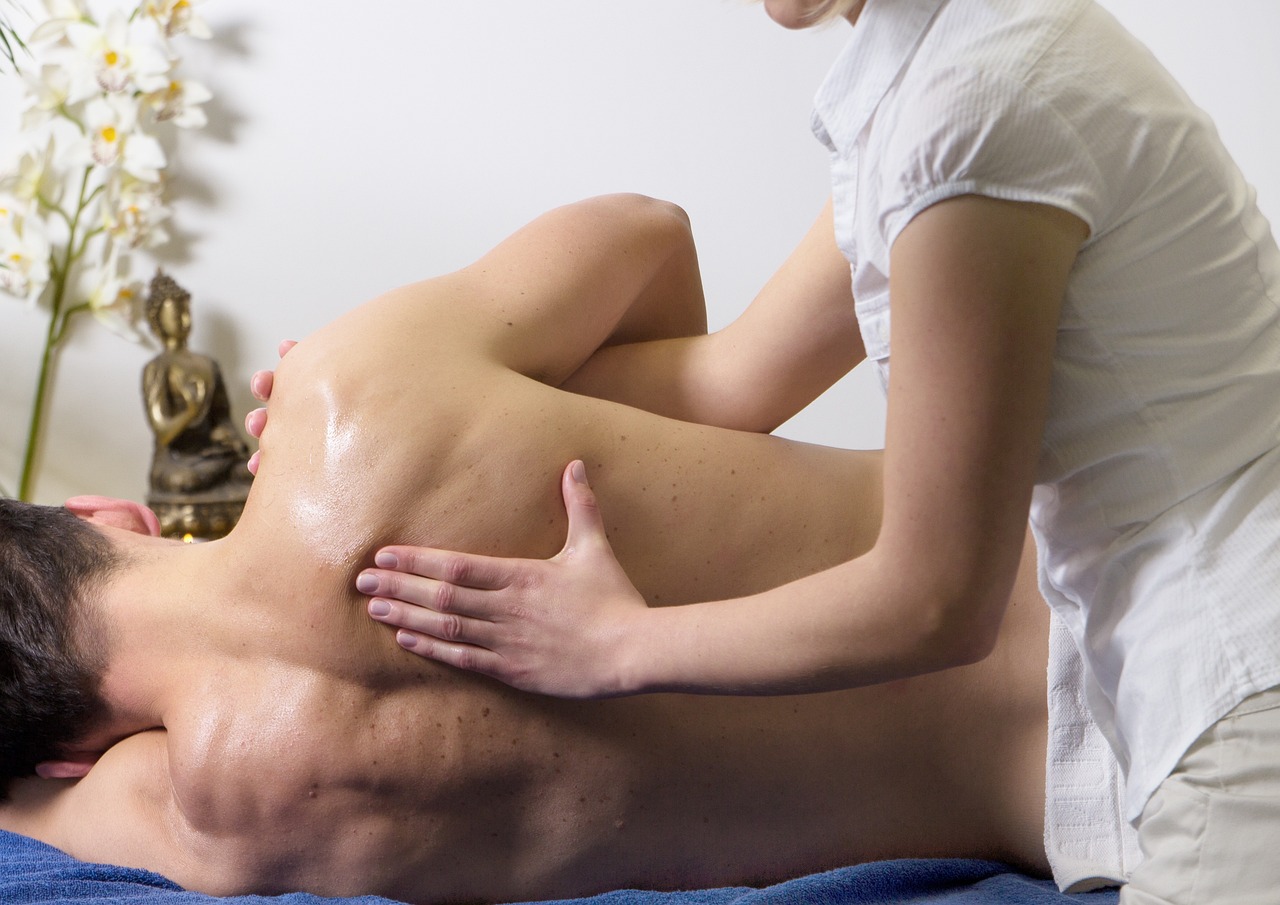
Sports massage techniques play a vital role in optimizing athletic performance, especially under various weather conditions. When athletes train in hot climates, the body undergoes significant stress. The combination of high temperatures and humidity can lead to muscle fatigue, dehydration, and heat-related illnesses. Implementing effective sports massage techniques can help alleviate these issues. Deep tissue massages can enhance circulation, remove metabolic waste, and increase flexibility. By using targeted strokes, massage therapists can help athletes recover faster between training sessions. Here are some benefits of sports massage in hot weather:
- Increased circulation: Boosts oxygen delivery to muscles.
- Reduced muscle soreness: Helps in quick recovery times.
- Enhanced performance: Improves functionality during workouts.
As athletes transition to colder conditions, different challenges arise such as tight muscles and risk of strains. Therefore, it is crucial to tailor massage techniques to address these distinct needs, fostering optimal adaptability in both environments.
Cold weather presents unique challenges for athletes as well. Reduced blood circulation combined with decreased muscle temperature can increase the risk of injuries if not managed appropriately. Sports massage in cold conditions focuses on warming up the muscles effectively before training and soothing them afterward. The techniques used may involve gentle stretches and rhythmic effleurage strokes to stimulate blood flow. Here are key advantages:
- Pre-training preparation: Increases muscle temperature for better performance.
- Injury prevention: Lowers the risk of strains and sprains.
- Improved recovery: Reduces soreness after intense workouts.
Athletes training in both warm and cold environments must integrate sports massage into their regimens for optimal performance. This method can also enhance mental focus, as athletes feel more comfortable in physically taxing conditions. Emphasizing both preventative and recovery methodologies within their routines will enable them to meet training demands more effectively.
It is essential for athletes to understand the timing of sports massage for optimal effects based on weather conditions. For instance, athletes training in hot environments might benefit from receiving massages post-training when muscles are warm and pliable. This can aid in reducing inflammation and easing tightness. Conversely, for cold weather training, massages before workouts can effectively prepare muscles for physical stress. Engaging in massage therapy regularly helps maintain the body at peak performance levels while minimizing injuries. Some techniques to consider include:
- Trigger point therapy: Targets specific tight areas to relieve pain.
- Myofascial release: Releases tension in connective tissues.
- Static stretching: Aids in elongating and relaxing muscles.
Ensuring a consistent schedule for sports massage sessions can vastly improve athletic longevity as well, proving beneficial over the lifespan of an athlete’s career. Properly executed techniques tailored to weather conditions help athletes stay highly competitive.
Adapting Techniques for Various Training Environments
Sports massage techniques must change according to the environment in which athletes are training. For hot weather, massage therapists may use techniques that incorporate cooling gels or oils to further soothe sometimes irritated skin from sweat. The focus should be on flushing out toxins from overworked muscles, as well as stretching out tendons and ligaments after extensive training. In contrast, in cold weather, the emphasis shifts to warming the body, applying moderate pressure with slow and deliberate strokes to increase blood flow gradually. Here are both massage methods to consider:
- Effleurage: Gliding motions to warm muscles.
- Petrissage: Kneading to relieve tension effectively.
- Friction techniques: Help to break down knots in muscles.
Different weather demands require athletes to cooperate effectively and consult with massage professionals. Integrating these alterations in technique can enhance overall training performance and reduce the chances of injuries significantly.
It’s crucial to recognize the psychological benefits of sports massage as well. In both hot and cold training conditions, athletes can experience high levels of stress and fatigue. An effective sports massage will not only physically prepare the body but also mentally rejuvenate the athlete. Furthermore, taking time for a proper massage allows athletes to focus on themselves, promoting mental clarity and emotional release. This can lead to improved concentration and resilience during both training and competition. Some mental benefits include:
- Stress reduction: Promotes relaxation and calmness.
- Increased mental focus: Sharpened attention during workouts.
- Boosted motivation: Helps achieve goals efficiently.
The holistic approach of marrying physical and psychological recovery can significantly enhance an athlete’s training regimen, encouraging the positive mindset needed for achievement. All athletes should prioritize this therapy aspect to maintain mental well-being.
Finding Professional Help and Techniques
While athletes can learn basic self-massage techniques to apply during training, consulting with a professional massage therapist is paramount for a comprehensive experience. A trained therapist can identify specific needs and customize the massage based on the individual’s training demands and the climate. Choosing a therapist familiar with sports massage is essential, as it requires a unique understanding of athletic performance and physiology. Consider seeking professionals who can assist with:
- Specific techniques: Tailored for different types of athletes.
- Targeted regions: Focused on injuries or fatigued areas.
- Seasonal adaptations: Modification of techniques as per weather conditions.
Working with an expert allows athletes to focus on their training while gaining the benefits of tailored massage therapy. Looking out for quality practitioners can elevate overall athletic performance and experience during both cold and hot weather.
In conclusion, sports massage emerges as a critical tool in improving athletic performance under varying training conditions. Whether facing the sweltering heat or the biting cold, athletes can greatly benefit from integrating this methodology into their routine. Implementing techniques suited for the respective environment can make a tremendous difference in how well athletes perform during training sessions and competitions. From injury prevention to mental well-being, the versatility of sports massage addresses the holistic needs of athletes. Therefore, it is essential that athletes prioritize scheduling regular sports massage sessions and consult with professionals as necessary to enhance their training experience. The advantages are undeniable and can lead to successful performance on and off the field. To fully maximize benefits, athletes should remain informed about the best practices and continuously adapt their routines according to environmental demands.
The journey to athletic excellence is challenging, but the inclusion of effective sports massage in training routines proves crucial. Athletes who recognize the value of tailored techniques based on weather will witness significant improvements in recovery times, performance stability, and overall health. Engaging in dialogue with massage therapists can yield not only insights but also foster a deeper understanding of body mechanics and athletic recovery strategies. Fostering an environment where athletes feel supported through comprehensive care empowers them to reach their highest potential. Awareness of seasonal training adaptations allows for maximal effectiveness in performance. By effectively combining rigorous training and supportive techniques like sports massage, athletes secure vital advantages on the competitive field. Learning to listen to the body and seeking professional aid is part of this journey.