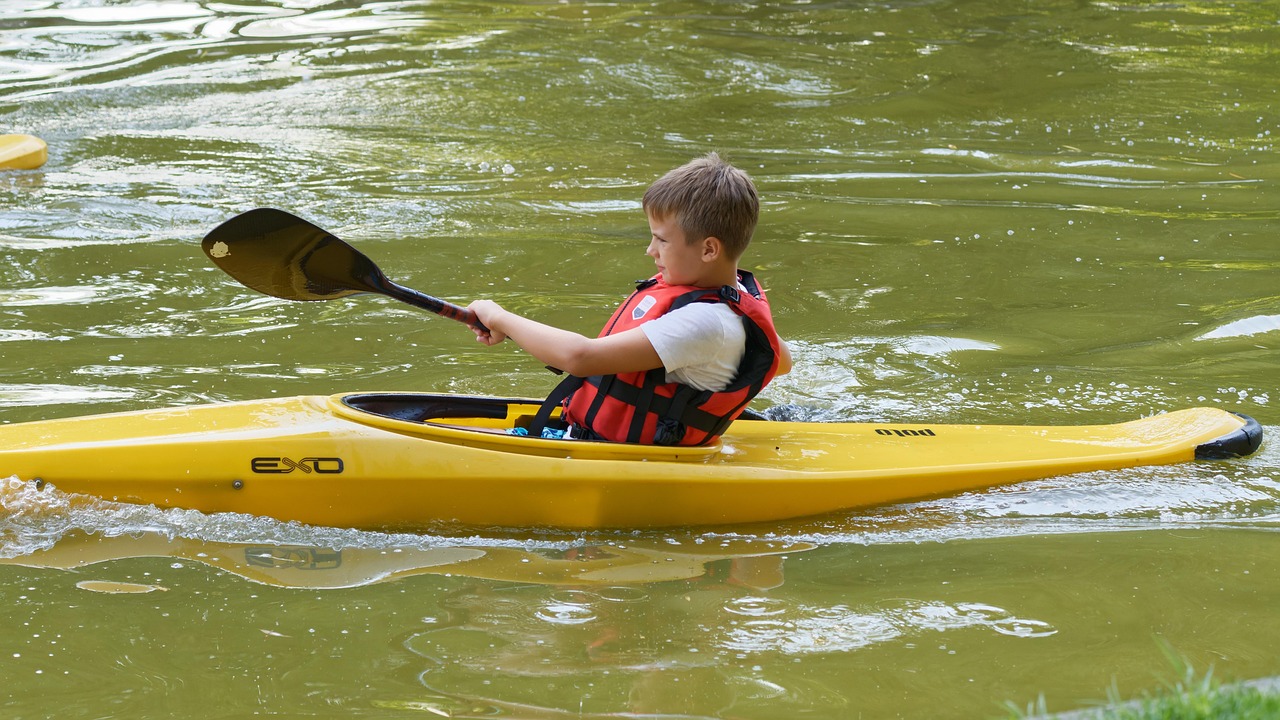

Adaptive Rowing Programs for Kids with Special Needs
Adaptive rowing programs are essential for providing kids with special needs the opportunity to enjoy rowing in a supportive environment. These programs tailor activities to accommodate various abilities, ensuring inclusivity in a sport that promotes physical fitness and personal growth. Coaches trained in adaptive techniques focus on creating a safe space for children to learn and excel. Each participant engages at their own pace, building confidence while enjoying teamwork and camaraderie. Successful adaptive rowing programs often include specialized equipment designed to meet the needs of each participant. This equipment ranges from modified boats to comfortable seating, allowing individuals to experience the thrill of rowing without constraints. Families also play a critical role in these programs, fostering encouragement and support. Engaging parents can help children feel more secure and motivated. Programs often integrate recreational and competitive events, showcasing the progress made by each participant. Additionally, interactions among participants can drive social development, leading to lasting friendships. Adaptive rowing not only enhances physical health but also fosters emotional development, self-esteem, and resilience in kids. Programs that emphasize adaptability and inclusivity create unforgettable experiences that shape positive futures for all involved.
One important aspect of adaptive rowing programs is the collaboration among various organizations and individuals dedicated to supporting children with special needs. Local rowing clubs often partner with special education professionals to develop customized training plans that align with each child’s capabilities. These collaborations also help in securing funding and resources needed to acquire adaptive rowing equipment. Volunteers play a crucial role in the success of these programs, providing guidance, support, and motivation for young rowers. By harnessing the talents of community members, adaptive rowing programs can enhance the overall experience for participants. Regular training sessions are usually organized to promote progress and provide a structured routine. During these sessions, participants can develop essential rowing skills while engaging in physical fitness. Coaches focus on a holistic approach emphasizing teamwork, discipline, and perseverance, which truly empower children. The friendships formed among participants often extend beyond the rowing session, creating a supportive network that benefits everyone involved. As skill levels increase, kids have the opportunity to compete in adaptive rowing events, further boosting their confidence and self-worth. This exposure helps them view themselves as valuable contributors in their communities, proving that everyone can experience success.
Benefits of Adaptive Rowing for Kids
Adaptive rowing offers numerous benefits for kids with special needs, both physical and emotional. Physically, rowing is an excellent low-impact exercise. It promotes cardiovascular fitness and enhances strength in arms, legs, and core muscles. These physical benefits are crucial for the overall well-being and health of children with disabilities. Regular participation in rowing helps maintain muscle function and prevents the deterioration often associated with sedentary lifestyles. Emotionally, adaptive rowing fosters self-esteem and confidence. As children learn new skills and improve their abilities, they gain a strong sense of accomplishment. This empowerment can reflect positively in other areas of their lives, including academics and social situations. Adaptive rowing also emphasizes teamwork, allowing kids to make friends and develop social skills effectively. The camaraderie built during training sessions encourages communication and collaboration, vital skills in everyday life. Additionally, the challenges presented by rowing create opportunities for children to overcome obstacles, teaching resilience. Themes of determination and grit are interwoven into each practice, setting a positive example for kids to emulate. Engaging in rowing can instill a lifelong passion for fitness, promoting healthy habits long after children leave the program.
Moreover, adaptive rowing programs provide families with a sense of community and belonging. Parents and caregivers often find comfort in knowing their children are involved in a supportive and understanding environment. These programs typically organize family days and events that enable parents to connect with other families facing similar situations. Discussions and shared experiences during these events can forge lasting friendships among parents, leading to a valuable support network. Understanding each other’s challenges and sharing highs and lows fosters a commitment to the program and its vision. The sense of togetherness created within the adaptive rowing community enhances the overall experience for participants and families alike. Besides community building, adaptive rowing programs promote awareness of the capabilities of individuals with special needs. By showcasing the progress and achievements of young athletes, these programs challenge societal misconceptions about disabilities. Successfully organized events often draw media attention, highlighting how dedicated effort can pave the way for achievements previously deemed unattainable. This increased visibility encourages acceptance and inclusion of children with special needs, inspiring more adaptive sports initiatives. Hence, adaptive rowing not only benefits participants but also cultivates a culture of understanding within society.
Getting Involved with Adaptive Rowing
For families interested in enrolling their children in adaptive rowing programs, several steps can facilitate getting started. First, researching local rowing clubs and adaptive sports organizations can provide essential information about available programs and resources. Many clubs offer introductory events designed specifically for newcomers, giving children valuable firsthand experiences with rowing. Attending these introductory programs helps families assess whether adaptive rowing aligns with their interests and abilities before committing. Booking a personalized consultation with a coach or program coordinator is an excellent next step. They can guide participants through suitable equipment and any necessary adjustments for their needs. Engaging in conversation will also help families understand the structure and adaptation of programs. Prior to signing up, families should inquire about financial assistance or scholarships that may be available to ease the costs associated with participation. Many organizations seek to ensure inclusivity by opening their doors to all children, regardless of financial means. Finally, families should actively participate in program activities and encourage their kids to give their all. The more invested everyone is, the more enjoyable and rewarding the experience will be for the child.
Throughout the duration of the adaptive rowing program, parents would benefit from maintaining open communication with coaches, staff, and other parents. Regular feedback ensures that everyone is on the same page regarding each child’s development and well-being. This collaboration often leads to a stronger understanding of the children’s unique needs and anxiety management strategies, helping to create an emotionally supportive environment. Weighted, fun activities can be introduced during practice to engage children effectively. Coaches often find that mixing traditional rowing exercises with innovative games keeps participants enthusiastic and invested in learning. This fluidity in adapting the curriculum makes it easier for children to retain skills while maintaining joy in their experience. Additionally, monitoring progress through individualized goals contributes positively to each child’s motivation. Tracking achievements enables children to recognize their own abilities and fosters acceptance of personal challenges. With families involved throughout the process, not only do kids benefit, but parental stress is often diminished as well. The collaborative nature of adaptive rowing programs can transform perspectives on abilities and disabilities alike, creating ripple effects of positivity for all involved in the sport.
Conclusion: Embracing Adaptive Rowing
In conclusion, adaptive rowing programs represent an invaluable resource for kids with special needs, fostering growth and confidence through teamwork and determination. By providing tailored experiences that honor each child’s unique abilities, these programs create a safe platform for young athletes to flourish. Physical and emotional benefits cultivated through adaptive rowing lay the foundation for active lifestyles and improved self-worth, ultimately shaping rewarding futures. The strong sense of community that builds within these programs reflects the spirit of inclusivity and connection. Families become empowered to lift one another, showcasing their commitment to mutual growth. Moreover, the visibility gained through successful adaptive rowing initiatives broadens societal understanding of disabilities, urging the acceptance of all individuals. Governments, communities, and private organizations must prioritize these initiatives, ensuring resources and support systems continue to thrive. As adaptive rowing programs expand, more children will benefit, unlocking their potential through collective efforts. Encouraging participation in adaptive sports cultivates an ongoing enthusiasm for athletics, inspiring generations. Embracing adaptive rowing fosters a brighter, more accepting world for all. Everyone should have the opportunity to experience the joy and fulfillment that comes from rowing together.
Embracing inclusive sports like adaptive rowing is paramount in contributing to the overall development of children with special needs. As participants learn valuable skills and form relationships through this sport, they can become strong advocates for themselves and others with disabilities. Rowing not only enhances individual growth but also promotes camaraderie and teamwork while challenging stereotypes around their capabilities. Engaging in adaptive sports creates a ripple effect—by nurturing athletes on the water, we pave the way for understanding and acceptance in broader society. The benefits of adaptive rowing extend beyond just physical ability; they elevate emotional intelligence and expand perspectives on challenges faced by people with disabilities. Families are encouraged to support their children in these endeavors and become more involved in the adaptive sports community. The legacy of adaptive rowing programs will continue to inspire change, promoting a brighter future for children with special needs everywhere. The more individuals join in forming supportive networks, the greater the collective voice advocating for inclusion and equality. Therefore, let us celebrate and invest in adaptive rowing, ensuring all children can experience the joy of being part of a team and achieving personal excellence.