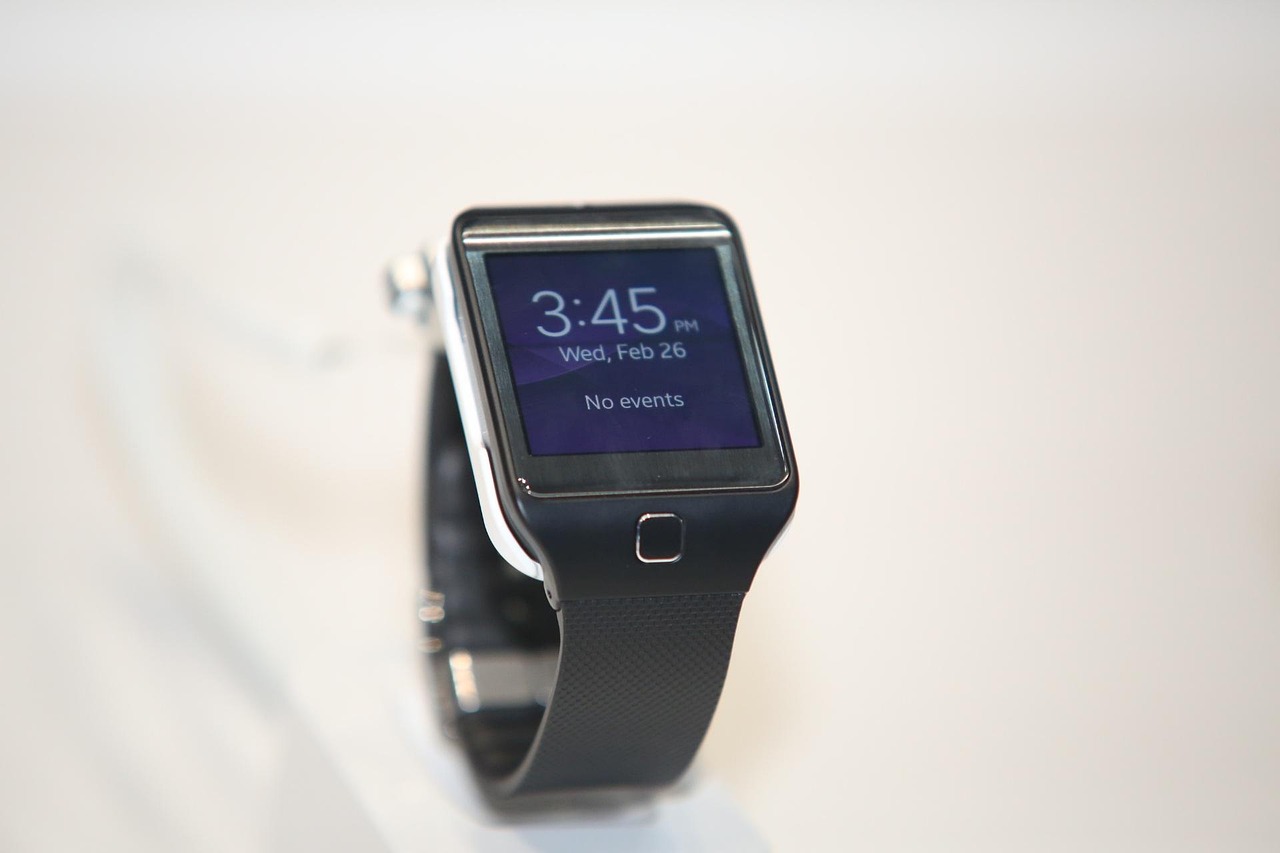

The Role of AI in Stress Monitoring via Fitness Wearables
In recent years, the intersection of artificial intelligence (AI) and wearable technology has gained substantial traction, particularly in fitness. Among the various applications, stress monitoring stands out as a key area where AI enhances the capabilities of wearable fitness devices. Fitness wearables equipped with AI algorithms can assess physiological responses, such as heart rate variability and breathing patterns, to detect signs of stress. This advancement plays a vital role in promoting mental well-being in users. By utilizing large volumes of data, AI can monitor changes in users’ biometric signals and provide insights into their stress levels. Furthermore, this technology offers personalized feedback, which can effectively aid users in understanding their stress triggers. For instance, AI-powered wearables can recommend deep breathing exercises or mindfulness techniques tailored to the individual’s current state. As a result, users become more proactive in managing their stress, resulting in improved overall health. Wearables not only track fitness metrics but also empower individuals to navigate their emotional landscapes much more efficiently, showcasing how AI can be an invaluable tool in stress management.
Functionalities of AI in Wearables
The functionalities provided by AI in wearable fitness technology are profound and varied. One primary function includes the ability to analyze data in real-time, enabling users to receive instantaneous feedback regarding their stress levels. By employing machine learning algorithms, these wearables refine their accuracy over time, adapting to the individual’s unique patterns and preferences. Moreover, AI can aggregate data from other sources, combining biometric readings with environmental factors, such as weather or workload, for a holistic understanding of stressors. This multifactorial approach is crucial for creating a more comprehensive picture of each user’s well-being. Additionally, these wearables leverage predictive analytics, identifying potential periods of high stress before they occur based on historical data. Consequently, the implication is twofold: users not only gain insights but also learn to anticipate challenges in their lives. Notifications and alerts are sent directly to the device, prompting users to take preventive action or engage in stress-relief activities. This proactive feature enhances the user’s engagement with the device, making stress management more achievable and less daunting.
Emotional wellness is increasingly recognized as vital in promoting overall health and well-being, and wearables play a crucial role in addressing this dimension. AI-driven insights facilitate real-time adjustments to interventions based on users’ emotional states. These adjustments might include varying workout intensities to simultaneously alleviate stress while maintaining fitness goals. Another promising aspect of AI integration is the potential for social engagement through connectivity features of wearables. Users can easily share insights or achievements with friends or communities; fostering social support networks further reduces stress. For instance, a user might receive encouragement from peers when achieving a stress management milestone, promoting positive reinforcement. Incorporating AI algorithms that analyze social interactions can also enhance personalized recommendations, aligning exercises or practices with an individual’s social preferences and relationships. Furthermore, the fusion of wearables and social capabilities encourages consistency in applying stress-relief techniques. This alignment not only enriches the user experience but also fosters a greater sense of belonging, which can significantly mitigate feelings of isolation and anxiety, becoming a cornerstone in the ultimate goal of holistic fitness.
The Importance of Data Privacy
As we delve into AI applications for stress monitoring via wearables, concerns surrounding data privacy and security arise. Users must share significant amounts of data for wearables to function effectively, creating a responsibility for companies to safeguard this information. Previous incidents have highlighted the vulnerabilities of data breaches, leading to a demand for better encryption and security protocols. Transparency in how data is used and stored is also paramount in building trust with users. Consumers should have access to clear information about who can access their data and what separate measures are in place to protect it. Additionally, regulatory compliance is critical — firms must adhere to regulations like GDPR when operating in the European market. By implementing stringent data privacy measures, companies can instill confidence in users, promoting sustained engagement with their products. Ultimately, a commitment to ethical standards ensures that personal data remains in the hands of users while providing valuable insights into their stress management dynamics. These considerations have become increasingly significant in the age of digital health, ultimately shaping the future of fitness technology and wearables.
Artificial intelligence and fitness technology continue to evolve, pushing boundaries in health monitoring and care. Through the seamless integration of AI, wearables empower individuals with extensive insights into their physical and emotional well-being. However, the success of such innovations depends on comprehensive validation through extensive research on various populations. Ensuring that the data and algorithms used in AI tools are both accurate and unbiased is fundamental. Continuous testing and evaluation can help refine AI models that analyze stress, making them more effective in diverse contexts. Collaboration among tech developers, healthcare professionals, and researchers can foster an environment where new standards emerge for stress monitoring technologies. Moreover, encouraging user feedback can lead to enhancements that truly resonate with real-world needs and challenges. Educating consumers about the functionalities of AI-driven wearables fosters a more informed user base, enabling individuals to make the most of the tools at their disposal. As these technologies mature, the focus should shift towards creating an ecosystem of support that prioritizes emotional resilience alongside physical fitness, embracing the holistic view of health that today’s society demands.
Future Trends in Fitness Technology
Looking ahead, we can expect further advancements in AI for stress monitoring in fitness wearables. Future trends may include more sophisticated algorithms that leverage emerging technologies such as augmented reality (AR) and virtual reality (VR) for immersive stress management experiences. These technologies could allow users to engage with interactive environments designed to promote relaxation or focus, potentially revolutionizing the way we understand and experience stress relief. Furthermore, enhanced integration with smart home devices adds another layer to the user experience, allowing wearables to regulate home environments based on physiological cues. For instance, a home may automatically dim its lighting or turn on calming music when it detects elevated stress levels through the wearable. Additionally, partnerships with mental health professionals may lead to amalgamated solutions where wearables not only monitor stress but also provide direct support through licensed practitioners’ networks. In essence, the future holds significant promise, with the potential to infuse AI into wearables in ways that further the intersection of mental health, fitness, and technology, heralding a new era of personalized wellness.
Ultimately, as fitness technology and wearables evolve, their role in stress monitoring through AI integration cannot be understated. The ability to foster proactive stress management provides users with critical tools for enhancing both emotional and physical health. By providing personalized insights, predictive alerts, and fostering community engagement, wearables empower individuals to take control of their stress and make informed decisions related to their overall health. Simultaneously, the community must engage in discussions regarding data privacy, regulatory compliance, and ethical practices to ensure users feel safe in the digital health space. As we embrace these innovations, we must dedicate efforts to ensuring the technology remains accessible and beneficial to diverse populations. Moreover, the ongoing collaboration between technology developers, healthcare providers, and researchers will pave the way for advancements that resonate tightly with individuals’ real-world needs. Thus, the ultimate goal will be transforming the realities of stress management into a wholly integrated experience, one centering on wellness in all its forms — emotional, psychological, and physical. As such, stay tuned for the next wave of innovations that promise to change the landscape of fitness technology.
In conclusion, the transformational potential of AI in stress monitoring through fitness wearables represents an exciting frontier in health technology. As research continues to unfurl the multifaceted nature of stress and its impacts, it is evident that the tools available will evolve to meet the increasing demands of today’s lifestyle. These advancements will likely empower individuals by offering customizable solutions for stress management that were nearly unimaginable a few years ago. With an emphasis on AI, wearables will not only serve as instruments of measurement but also proactive partners in optimizing well-being. Focusing on emotional health ensures a more rounded approach to fitness that prioritizes the quality of life across the board. As the insights generated from AI become more sophisticated, we can anticipate clearer pathways for enhancing our understanding of stress and consequently improving our capacity to mitigate its effects. Thus, it would be prudent for individuals, clinicians, and technologists alike to collaborate in harnessing these emerging technologies. With concerted effort, the potential for AI-driven support systems can significantly enhance the quality of life, promoting a healthier future for all.