
How Functional Training Enhances OCR Obstacle Skills
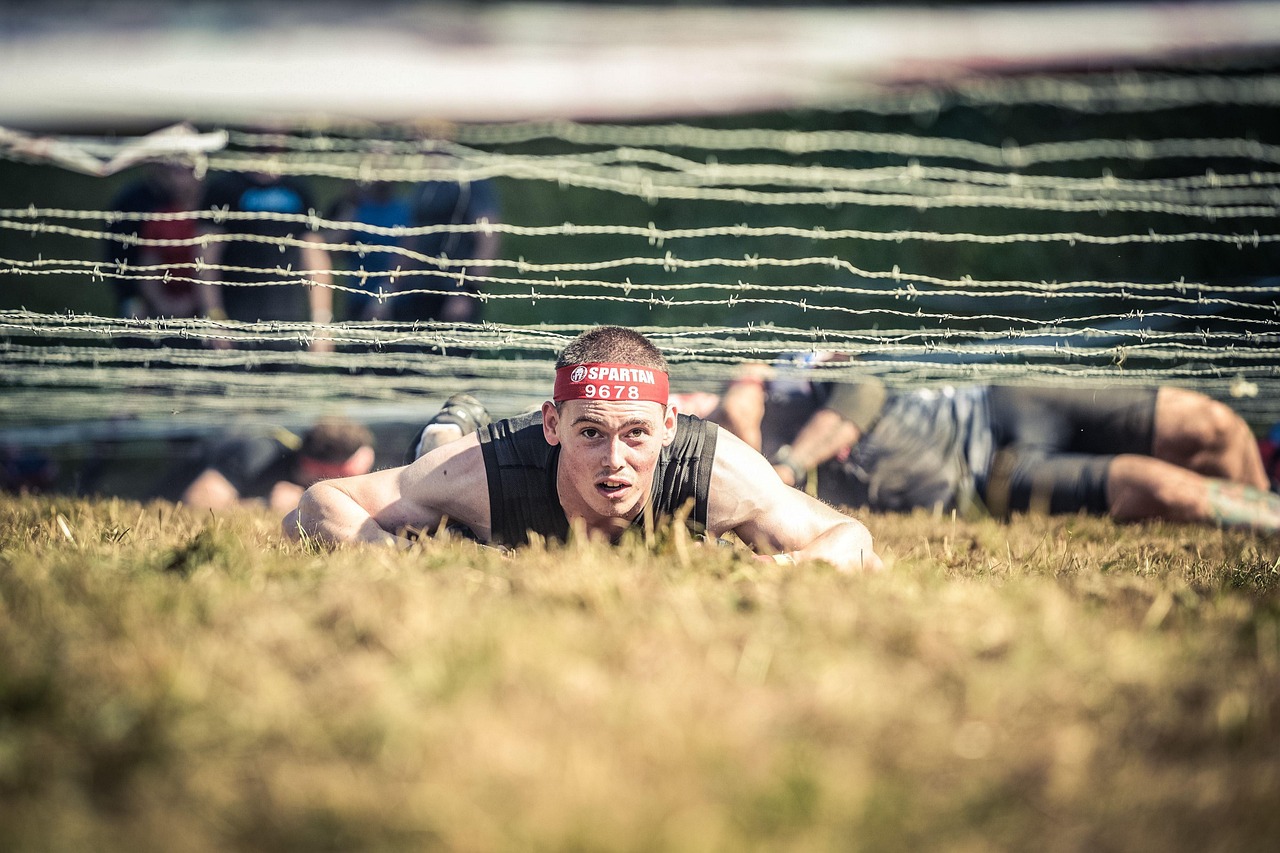
Obstacle Course Racing (OCR) challenges athleticism and endurance, requiring competitors to overcome various physical obstacles. Effective training for OCR involves a focus on functional fitness, as it mimics the movements likely encountered during races. Traditional workouts often fail to address specific movement patterns, leaving athletes unprepared. Functional training, on the other hand, emphasizes whole-body exercises that build strength, agility, and coordination. This holistic approach can significantly improve your performance on the course. For example, exercises such as rope climbing and wall scaling enable participants to engage muscles in a dynamic way, making them more adept at overcoming challenges. Additionally, incorporating cardiovascular workouts alongside strength training enhances endurance vital for completing courses. Therefore, adopting a functional fitness regimen is not only beneficial but crucial for success in OCR. Competitors can focus on maintaining proper form while performing these exercises, ensuring they are primed for upcoming races. Overall, a disciplined approach to functional training establishes a solid foundation for mastering the unique demands of obstacle racing.
The benefits of cross-training for OCR athletes cannot be overstated. By incorporating multiple training styles, athletes can develop a more well-rounded fitness profile. Cross-training enhances strength, flexibility, and endurance, each critical for effective racing. For OCR, trails may range from rugged terrains to slick surfaces; thus, developing stability and balance directly impacts race performance. Activities like swimming and cycling benefit endurance while diversifying workout routines and preventing injury. Additionally, incorporating yoga can enhance flexibility and core strength vital for navigating obstacles smoothly. Strength training focused on bodyweight exercises, such as pull-ups and dips, greatly improves upper body strength required for traversing various obstacles effectively. Overall, diverse training methods encourage muscles to adapt, resulting in increased stamina during races. Athletes can also benefit from increased mental toughness when overcoming the different challenges associated with cross-training. This mental fitness translates directly into race day performance. A well-structured training program allows participants to combine these elements, providing a broader skill set for all obstacle types. In conclusion, embracing cross-training improves physical capabilities, offering OCR athletes a competitive edge.
The Role of Plyometrics in OCR Preparation
Plyometric exercises offer numerous advantages for OCR practitioners, enhancing explosiveness and agility. Incorporating these movements into training can improve your ability to spring over barriers and power through challenging sections more effectively. Exercises like box jumps and burpees develop fast-twitch muscle fibers crucial for explosive movements required in obstacle racing. Developing this type of strength translates into better performance when attempting time-sensitive obstacles. Another key benefit is the improvement in coordination and balance, essential attributes for maintaining stability on uneven grounds. Plyometrics also boost cardiovascular fitness as they elevate heart rates during training sessions, allowing athletes to develop endurance in a functional manner. Implementing plyometric routines regularly can lead to more efficient energy expenditure during races. Athletes can experience increased vertical leap and lateral movement capabilities essential for maneuvering around challenging obstacles. Adequate recovery and rest are critical when integrating plyometrics, as they put enormous stress on the muscles. Adopting a systematic approach will help in minimizing the risk of injury. By strategically incorporating plyometric exercises, OCR athletes can elevate their skills to new heights.
Nutrition plays a tremendously vital role in the success of any athlete, including those participating in OCRs. Balanced nutrition fuels training sessions and optimizes recovery, making it essential for those who wish to perform at their best. A well-rounded diet that includes sufficient carbohydrates, protein, and healthy fats will significantly contribute to an athlete’s resilience during races. Consuming enough carbohydrates ensures energy stores are adequately replenished before and after intense workouts, aiding performance. Proteins help with muscle recovery and repair, vital elements in functional training. Healthy fats promote overall well-being, providing energy during long-lasting efforts. Hydration also plays a crucial role; ensuring you remain well-hydrated supports optimal performance and focus during races. Understanding how nutrition directly impacts energy levels and recovery times is essential for OCR athletes. Strategic meal planning, including pre- and post-workout snacks, can enhance performance levels on race day. Moreover, analyzing body composition and adjusting calorie intake can aid in reaching peak performance. Consequently, athletes looking to improve their OCR skills need a solid nutritional foundation as they pursue their training goals.
Strength Training Techniques for OCR
In preparation for OCR events, robust strength training techniques are paramount. Focused strength training builds the necessary muscle groups to excel in overcoming the physical demands of obstacle racing. Exercises targeting large muscle groups such as squats, deadlifts, and bench presses reduce muscle fatigue during races. Functional exercises like kettlebell swings and Turkish get-ups promote total body integration, improving usability in obstacle situations. Workouts that develop grip strength are particularly essential, as many OCR events feature obstacles requiring significant hand strength. Training with tools such as hanging bars can help athletes improve grip strength and enhance overall performance on higher-level obstacles. Implementing a progressive overload principle ensures that athletes continue to challenge themselves as they grow stronger. Additionally, working with resistance bands allows for varied strength building, targeting specific muscle groups effectively. Balance and stability drills should not be overlooked—they play a key role in ensuring stability during transitions. By consistently focusing on these strength training techniques, athletes elevate their overall performance in OCR, preparing them for different physical challenges they may face.
Recovery strategies are essential for all athletes, particularly those engaged in demanding training schedules like OCR participants. Effective recovery measures help prevent injury and ensure peak performance throughout their training cycle. One fundamental element is adequate sleep, critical for muscle recovery and repair. Quality rest enables the body to rejuvenate, aligning with hormonal balance essential for performance. Incorporating active recovery days into training regimens further facilitates the replenishment of energy stores. Light exercises can reduce delayed onset muscle soreness and promote blood flow, aiding recovery. Stretching and mobility exercises play a crucial role in maintaining flexibility, effectively supporting the body through rigorous workouts. Techniques like foam rolling can alleviate muscle tightness, while proper post-workout nutrition emphasizes recovery needs. Hydration remains pivotal, as adequate fluid intake helps flush toxins from the body and restores electrolyte balance. Furthermore, athletes should monitor how their body responds to different training loads, adjusting intensity and frequency as needed to facilitate sufficient recovery. Ultimately, integrating strategic recovery practices ensures that OCR competitors remain ready to tackle their training and performance goals.
Mindset’s Impact on OCR Performance
In the world of OCR, mental toughness is just as crucial as physical preparation. Athletes must develop a strong and resilient mindset to overcome both physical and psychological challenges encountered during races. Mental strategies like visualization can significantly improve performance, as imagining successfully conquering obstacles can prepare the mind for actual execution. Additionally, adopting a growth mindset empowers athletes to view setbacks as learning opportunities. This perspective fosters resilience as competitors face difficult sections on the course. Setting clear and attainable goals helps maintain focus during training, ensuring that athletes consistently push their limits. Building confidence through incremental achievements is key to fostering a sense of accomplishment. Furthermore, positive self-talk can combat doubts commonly arising before and during races, enhancing overall mental clarity. Meditation and mindfulness practices can streamline an athlete’s focus and reduce pre-race anxiety, allowing them to perform at their best. By integrating mental strategies into their training, OCR participants can optimize their chances of success, transforming potential hindrances into catalysts for excellence. Encouraging a structured mental training approach is paramount for achieving superior performance during obstacle races.
To sum up, effectively training for Obstacle Course Racing involves the synergy between functional training, cross-training methods, and robust nutritional strategies. Athletes must recognize that successful OCR performance transcends mere physicality—it requires an invincible mindset too. By addressing these multidimensional aspects, athletes empower themselves to conquer obstacles not just physically but mentally. Blending strength targets alongside cardio and flexibility training equips participants with a well-rounded fitness base to excel during races. Learning to navigate the diverse elements of OCR through functional training ensures they are prepared for the specific puzzles they must face. Moreover, well-structured recovery practices foster sustained efforts; all while paying attention to nutritional needs empowers athletes further. The inclusion of mental fitness strategies guarantees that competitors can maintain their focus and overcome psychological hurdles along the way. When properly balanced, these essential components create a comprehensive approach to OCR, leading to improved performance on race day. As athletes develop and refine their training regimens, they unlock the potential to become OCR champions over time. Embracing this holistic approach truly enhances every competitor’s experience in the dynamic world of obstacle racing.