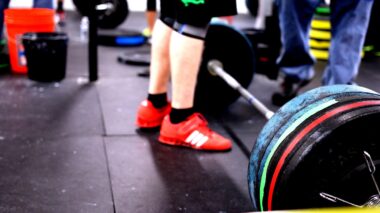

Nutrition Tips to Complement Your CrossFit Seasonal Training
CrossFit athletes often seek ways to enhance their performance through stable nutrition. The foundation of any solid training plan includes adequate nutritional intake. First, prioritize complex carbohydrates such as oatmeal, quinoa, and sweet potatoes to fuel high-energy workouts. These food sources provide the necessary glycogen stores your body needs, especially during intense CrossFit sessions. Additionally, incorporating healthy fats is crucial for overall wellness; consider avocados, nuts, and olive oil as excellent options. Lastly, hydration cannot be overlooked. Aim to drink at least half your body weight in ounces of water daily, especially around your workout schedule. For more precise recommendations, consult a dietitian specializing in sports nutrition.
Consider focusing on protein intake post-workout; this is vital for muscle recovery and growth. Quality protein sources include chicken, fish, and plant-based options like black beans and lentils. These options can help repair muscles broken down during intense workouts. Portability is essential for daily CrossFit athletes; consider preparing simple protein shakes or meal prep boxes, ensuring balanced macronutrients. Furthermore, monitor your body’s energy levels during different training phases, adjusting caloric intake as necessary. Regularly assess your performance and recovery to see how your nutrition aligns with your training goals. Tracking your meals can provide insights into patterns or areas needing change.
Micronutrients Matter
Don’t neglect vitamins and minerals during your training seasons, as they play vital roles in your holistic development. Leafy greens, such as spinach and kale, are rich in essential vitamins while providing antioxidants. Full of micronutrients, they also support immune function during the intense training periods that CrossFit entails. Incorporate colorful fruits for their health benefits, ensuring you receive a wide array of nutrients. Citrus fruits, berries, and bananas can enhance recovery and provide a quick energy source before workouts. If possible, tailor your meals to include a variety of food groups, promoting overall nutrient intake and balance.
Meal timing is another critical element of your nutritional strategy. Eating a well-balanced meal three to four hours before a workout can provide the necessary energy for optimal performance. Each meal should include a combination of carbohydrates, proteins, and fats. Additionally, consider a post-workout snack within 30 minutes of completing your workout to kickstart recovery. This window is crucial for muscle repair. Choose snacks that combine protein and carbohydrates, like Greek yogurt with fruit or a protein bar. Adjusting your meal timing can significantly enhance performance in CrossFit, allowing you to achieve your goals more efficiently.
Supplements to Consider
While whole foods remain the preferred source of nutrients, using supplements can be beneficial in specific cases. Creatine, for instance, may help increase strength and performance in high-intensity efforts typical in CrossFit. Branched-chain amino acids (BCAAs) can support muscle recovery, reducing soreness after grueling WODs. Protein powders offer convenience for quick post-workout nutrition, ensuring you meet your daily protein needs seamlessly. Additionally, consider omega-3 supplements for overall wellness since they can help with inflammation caused by strenuous exercise. Always consult with a healthcare professional to find the right supplements tailored to your individual needs.
Listening to your body is crucial in any training program. Regular assessments can help track your nutritional needs better, adapting to your training intensity. Some nutrient timings may require adjustments depending on upcoming competitions or heavier training periods. Recording your food intake and how you feel during workouts can serve as an excellent tool. This not only improves your nutritional awareness but also helps in adjusting your food choices throughout the training season. It’s also important to experiment with carbohydrate loading strategies for upcoming competitions; this can ensure your glycogen stores are maximized.
Balancing Social Life with Nutrition
Maintaining a social life can be challenging for dedicated CrossFit athletes mindful of their nutrition. It’s essential to find balance while enjoying meals out with friends and family. Consider choosing places offering healthy options. When dining out, select grilled options, vegetable sides, and staying mindful of portion sizes can help manage caloric intake. Don’t shy away from customizing meals to fit your dietary needs. Learning to navigate social situations allows you to stay committed to your goals while enjoying valuable time with loved ones. Meal preparation can help mitigate stress surrounding meal choices during busy weeks.
In conclusion, cross-training with an effective nutrition plan can elevate your performance and health. Focus on whole foods, balanced macronutrients, and sufficient hydration to support your training. The synergy between nutrition and CrossFit can lead to significant improvements in strength and endurance. Adapt your nutritional strategy as necessary, taking into account variations in training intensity and personal preferences. With the right approach, you not only build physical strength but also foster a positive mindset to tackle all challenges. Keep learning and adapting your nutrition plan to optimize your results, and remember the importance of community support in your journey. All these elements encapsulate the essence of CrossFit seasonal training.