
The Relationship Between Emotional Factors and Pain in Sports Rehabilitation
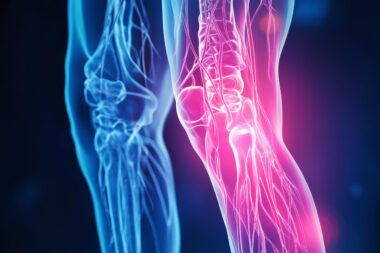
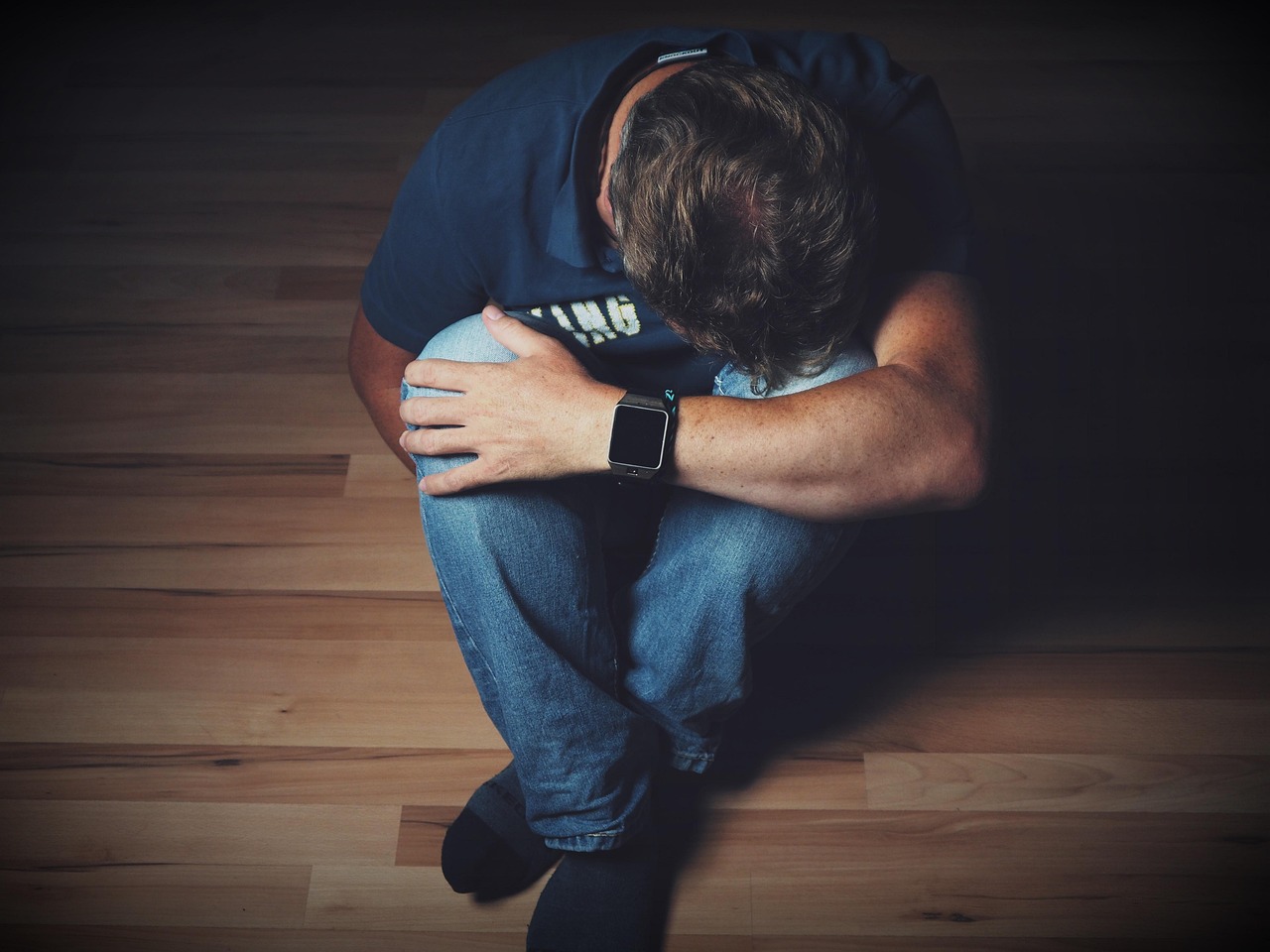
Pain is a complex experience, often influenced not just by physical factors but also by emotional aspects. In sports rehabilitation, understanding the connection between emotional factors and pain is crucial. Athletes often face emotional challenges during recovery, which can amplify their perception of pain. Studies have highlighted the impact of anxiety and depression on pain levels, suggesting a psychosomatic link. For example, athletes with higher anxiety levels may report increased pain intensity compared to their more relaxed counterparts. The body’s stress response can exacerbate pain sensations, illustrating the brain-body connection. Rehabilitation professionals should consider these emotional factors when assessing pain. An individualized approach incorporating psychological support can facilitate better outcomes in pain management. Practitioners should encourage open communication, allowing athletes to express their emotions regarding pain. Moreover, promoting coping strategies may help athletes manage emotional distress, ultimately reducing perceived pain. As the relationship between mind and body becomes more understood, rehabilitation programs can be tailored to address both physical and emotional healing for improved recovery experiences.
Research indicates that addressing emotional well-being can enhance recovery in sports rehabilitation. Emotional factors, such as stress and fear, often worsen the pain experience. Clinicians need to incorporate this understanding into their treatment methodologies. By fostering a supportive environment, rehabilitation professionals can help athletes feel safe to express their fears and emotions. Techniques such as cognitive-behavioral therapy (CBT) or mindfulness practices can be beneficial. These approaches equip athletes with tools to manage their emotional responses. For instance, mindfulness can increase awareness of pain without reinforcing negative perceptions. Integrating emotional health assessments in rehabilitation evaluations can lead to more comprehensive treatment plans. This holistic view empowers athletes, acknowledging that their psychological state is as crucial as their physical recovery. Additionally, achieving pain relief often depends on emotional recovery. Practitioners should emphasize the importance of mental health in injury rehabilitation. By doing so, they not only assist in physical recovery but also in psychological resilience. Encouraging positive self-talk and realistic goal-setting can also support athletes in overcoming the emotional hurdles related to pain and injury. Overall, emotional factors play a pivotal role in the context of rehabilitation that cannot be overlooked.
Impact of Beliefs and Expectations
Beliefs and expectations significantly shape the pain experience among athletes. When individuals hold negative beliefs about their recovery, this often leads to sky-high pain perceptions, limiting their ability to heal. Conversely, positive beliefs can foster resilience and reduced pain experiences. Athletes who believe in recovery are more likely to engage in rehabilitation actively and adhere to treatment regimens. Their optimistic expectations can act as a buffer against pain and may accelerate the healing process. Psychoeducation becomes vital in this context, as educating athletes about the nature of pain can reshape their beliefs. Understanding that pain is not always a direct indicator of tissue damage helps in mitigating fears associated with movement and recovery. Moreover, athlete education can dispel myths about injury and recovery timelines. By emphasizing gradual progression and realistic expectations, athletes can approach rehabilitation with a healthier mindset. It’s essential for coaches and therapists to collaborate in fostering this positive expectancy. They should reinforce the idea that setbacks can occur but do not equate to failure. This balanced outlook can make a significant difference in athletes’ emotional approaches to dealing with pain during rehabilitation.
Emotional regulation skills are essential for athletes navigating pain during rehabilitation. The ability to manage emotions effectively can have a profound impact on the overall recovery experience. Utilizing strategies such as journaling, cognitive restructuring, or seeking social support impacts how athletes perceive and cope with pain. For instance, expressing feelings through journaling provides athletes an outlet for managing their emotions surrounding pain. Similarly, cognitive restructuring aids athletes in reframing negative thoughts, facilitating a more constructive perception of their rehabilitation journey. Social support from teammates, family, and mental health professionals also plays a key role. This support network can help individuals process their emotional struggles and provide encouragement. Establishing routines that incorporate emotional regulation techniques is beneficial for athletes dealing with pain. Cultivating emotional awareness aids in recognizing when anxiety or stress is escalating and applying coping mechanisms promptly. Practitioners should train athletes in these skills during rehabilitation to enhance emotional resilience. This proactive approach empowers athletes to take charge of their experiences and helps them navigate the complexities of emotional and physical recovery more effectively. Overall, prioritizing emotional regulation can lead to improved pain management in sports rehabilitation.
The Role of Social Support
Social support serves as a powerful tool for athletes experiencing pain in rehabilitation settings. Family members, friends, coaches, and therapists all play significant roles in shaping an athlete’s emotional landscape during recovery. When athletes feel supported, their emotional distress can decrease, leading to better pain management. Connection to others provides a buffer against feelings of isolation, fear, or anxiety about the recovery journey. For example, group therapy settings may foster community among athletes facing similar challenges. This communal experience offers opportunities for sharing and encouragement, further enhancing emotional well-being. Moreover, the presence of supportive figures can reassure athletes that they are not alone in their struggles, positively impacting their emotional health. Incorporating strength-based approaches in therapy allows athletes to leverage their social networks to foster resilience. Practitioners should encourage open discussions among athletes and their support systems. Furthermore, utilizing technology, such as group messaging apps, can facilitate ongoing support during rehabilitation. By ensuring athletes feel connected and supported, rehabilitation professionals can help reduce emotional barriers that exacerbate the pain experience.
Peer influence can also significantly affect an athlete’s emotional state during rehabilitation. Being in the presence of fellow athletes can create motivation and encouragement, fostering a positive environment. Peer group interactions can enhance emotional experiences, providing encouragement and understanding to navigate pain-related challenges. When athletes share similar experiences or provide validation for one another, it creates camaraderie that diminishes feelings of isolation. Coaches and therapists should acknowledge this peer influence and actively incorporate structured group activities into rehabilitation plans. Group sessions bring athletes together, allowing for shared narratives and goal alignment. Reinforcing the idea that pain and injury are common aspects of an athletic career is crucial for normalizing their experiences. This creates an environment where athletes feel comfortable discussing their challenges openly. Activities focusing on teamwork and collaboration can also strengthen interpersonal relationships, further enhancing emotional resilience. Additionally, encouraging athletes to develop friendships with peers facing similar challenges can provide ongoing emotional support beyond rehabilitation sessions. This interconnectedness enriches the overall recovery experience, emphasizing that the social matrix is an influential factor in managing pain during sports rehabilitation.
Conclusion
In conclusion, the intricate relationship between emotional factors and pain in sports rehabilitation cannot be overstated. Emotions significantly influence both pain perception and recovery outcomes, highlighting the need for a multidimensional approach in treatment. Practitioners must recognize that rehabilitation extends beyond physical healing and requires addressing emotional well-being. Engaging with athletes on an emotional level greatly enhances their recovery journey, reducing the burden of pain. Strategies that focus on emotional regulation, building positive beliefs, and enhancing social support networks can create a more comprehensive rehabilitation experience. Moreover, involving mental health professionals in rehabilitation teams can facilitate better emotional management. Fostering a supportive environment is vital for athletes to express their feelings and concerns during recovery. This approach not only encourages healing but also empowers athletes to take charge of their rehabilitation process. Ultimately, understanding the relationship between emotional health and pain will lead to more effective treatment outcomes. Addressing both physical and emotional dimensions of rehabilitation can help athletes achieve lasting recovery and a return to their sport feeling stronger and more resilient than before.
Healthcare providers must integrate emotional awareness and education into their rehabilitation programs. Providing athletes with tools to manage emotions can significantly reduce pain and enhance recovery. Regularly assessing emotional states during rehabilitation can identify issues early, allowing for timely interventions. Focusing on the emotional aspect of pain significantly shifts the paradigm in sports rehabilitation. This holistic perspective not only prioritizes physical recovery but also nurtures mental resilience. Indeed, the complex interplay between emotions and pain plays a crucial role in shaping successful rehabilitation pathways. Through embracing emotional factors, rehabilitation professionals can create enriched recovery experiences for athletes, facilitating a smoother journey back to performance. The need to incorporate pain science education alongside physical treatments has never been more critical. This evolution in sports rehabilitation recognizes that athletes are not just bodies with injuries, but individuals with emotional experiences. Ultimately, addressing emotional health as part of the rehabilitation process can lead to more robust recovery and a return to peak athletic performance.