
Empowering Women: Postnatal Yoga as a Path to Confidence
Postnatal yoga is a vital practice that supports new mothers in their journey to regain strength and confidence after childbirth. This form of yoga focuses on gentle movements and stretching that cater specifically to the physical and emotional needs of postpartum women. Key benefits include improved flexibility, enhanced muscle tone, and better posture. Additionally, attending classes with fellow mothers fosters a sense of community and shared experience. Gaining knowledge about body awareness throughout this transition can be empowering. Many new mothers often find it difficult to carve out time for themselves, making yoga an excellent choice for self-care. By establishing a regular practice, they can feel more reclaim their bodies and mind. Furthermore, postnatal yoga encourages mindfulness and breathing techniques that reduce stress and anxiety levels. It creates an environment where mothers can reflect on their feelings and experiences. Emphasizing self-love and patience, postnatal yoga encourages women to celebrate their bodies, embracing the changes they encounter. This practice is not just about returning to pre-pregnancy fitness but discovering a new, stronger self. As mothers navigate this personal journey, they can build their confidence on the mat and beyond.
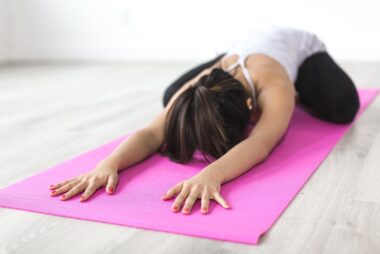
The structure of postnatal yoga classes is often tailored to the specific needs of postpartum women. Each session typically combines asanas, breathing exercises, and relaxation techniques, all curated to help women reestablish their connection to their body. Safety is a top priority, as instructors are trained to ensure that every movement is suitable for recent mothers, especially those healing from childbirth. Props such as blocks, straps, and blankets are often utilized to provide support during poses. As mothers progress through the stages of healing, the classes gradually build in intensity. Attending classes led by certified instructors ensures that practitioners receive guidelines on properly executing poses while listening to their bodies. Some common postnatal poses include Cat-Cow, Child’s Pose, and gentle twists. These prompts not only help alleviate tension in the back and hips but also foster relaxation. Moreover, many classes incorporate bonding time with infants, allowing mothers to feel connected to their children during practice. By designing an inclusive environment, postnatal yoga reassures women that they are not alone and that taking care of themselves promotes a healthier family unit.
Connecting Mind and Body Through Postnatal Yoga
Moreover, postnatal yoga centers on the intricate relationship between the mind and body. Through a deliberate blend of movement, breath, and meditation, women can develop a deeper understanding of their new identities as mothers. Gentle stretches and poses promote increased blood circulation throughout the body, enhancing recovery after childbirth. The focus on breathing techniques aids in reducing stress, anxiety, and feelings of isolation that may arise during the postpartum phase. Mental well-being is just as vital as physical health, making this dual focus essential. Practicing mindfulness during each session allows women to embrace their thoughts and emotions without judgment. Through self-compassion, they learn to appreciate their bodies for the incredible work they have done carrying and delivering a child. Yoga not only supports postpartum healing but also invites introspection on personal goals and aspirations. As women begin to feel more confident in their bodies, they can set realistic expectations for their fitness journeys. This mindful approach helps them stay present and connected during practice, fostering a positive body image that extends beyond the yoga studio.
Incorporating yoga into daily routines also encourages mothers to prioritize self-care, an essential aspect of mental and emotional well-being. Many women feel overwhelmed with new responsibilities and often neglect their own needs. By committing to a postnatal yoga practice, they are actively choosing to invest in themselves, ultimately benefiting their families. Additionally, attending classes can promote bonding with other mothers, which is invaluable during this transitional phase. The shared experiences create a supportive atmosphere where women uplift one another while sharing parenting tips and challenges. This sense of camaraderie reinforces the notion that they are not alone in their journey and that seeking support is a natural part of motherhood. As they engage in classes together, they are likely to forge lasting friendships. Furthermore, postnatal yoga sessions can serve as a welcome break from traditional daily responsibilities, allowing women to return to their roles refreshed and rejuvenated. Cultivating a balance between personal health and family obligations can enhance overall quality of life.
The Importance of Breath and Alignment in Postnatal Yoga
Breathwork is an integral component of postnatal yoga as it encourages stress relief and improved lung capacity. During each practice, mothers learn the vital connection between breath and movement. Guided breathing exercises help cultivate awareness and mindfulness, allowing women to remain present during challenging moments, both on and off the mat. Moreover, proper alignment is emphasized throughout each session to prevent injury and promote healing. As women transition back into physical activity, understanding how to align their bodies properly minimizes the risk of strains or complications. Using mirrors and instructor guidance assists women in discovering their unique limitations and strengths. As they master the alignment and breathwork, they will notice physical and mental improvements in their practices. This understanding can awaken a renewed passion for fitness beyond yoga classes. They may feel encouraged to explore various physical activities or wellness routines, ultimately leading to a more vibrant lifestyle. Through ongoing practice, they can experience personal growth while continuing to learn about their evolving bodies.
The transformative benefits of postnatal yoga extend beyond physical recovery. Engaging in a series of classes aids in increasing self-esteem and confidence, as women gradually reconnect with their bodies. Women often learn to appreciate their newfound strength and resilience during these sessions. Through gentle encouragement and powerful affirmations promoted during practice, mothers realize their ability to overcome challenges. As they continue their yoga journey, they unlock opportunities for personal development, learning about their capabilities that might have remained undiscovered otherwise. Moreover, as mothers grow more confident in their physical selves, they often experience a shift in their mental outlook as well. This newfound empowerment can ripple into various aspects of their daily lives. Women may begin to set boundaries, pursue interests, and even engage in community activities with greater ease. Furthermore, the stability gained from yoga can inspire women to embrace challenges head-on, knowing that they have the strength to navigate their postpartum journey. Ultimately, postnatal yoga serves as a pathway for women to rediscover their confidence and nurture their own identities, forming a solid foundation for a joyful parenting experience.
Creating a Sustainable Yoga Practice Postpartum
Establishing a sustainable postnatal yoga practice involves flexibility and patience. New mothers undoubtedly experience fluctuating schedules and unpredictable routines, making consistency vital for success. Finding a class that fits their timing, personality, and space can create a comfortable and sustainable experience. Whether it’s joining a local studio or accessing online resources, options exist in a variety of formats to accommodate mothers’ preferences. Furthermore, setting realistic goals while practicing yoga can nurture motivation and prevent frustration. It is essential to acknowledge personal limitations and celebrate achievements, both small and large. Additionally, incorporating yoga practice into daily life can enhance sustainability. Short, ten-minute sessions focusing on breath and stretching at home is an excellent way to remain connected to the practice. As women navigate their new lives, they may find that blending yoga with other activities, such as walks with their babies or gentle workouts, keeps their fitness journey enjoyable. Maintaining open communication with family members about individual needs can also ensure uninterrupted time for practice to recharge and refocus. Fostering a routine that exhibits consistency will facilitate long-term progress and deeper self-awareness.
In summary, postnatal yoga serves as a powerful tool for empowering women during an incredibly transformative period of their lives. By facilitating a connection between mind and body, new mothers can forge stronger relationships with themselves and others. The holistic benefits, including enhanced physical recovery, emotional resilience, and community support, reinforce the importance of self-care throughout motherhood. With each class they attend, women can grow more confident and self-aware, enabling them to handle life’s challenges more effectively. The journey of motherhood is filled with incredible highs and lows, but postnatal yoga serves as a beacon of strength. As mothers embark on this adventure, they learn to embrace the changes that come their way with kindness and grace. Engaging in this practice roots them in the present, allowing for a deeper connection with their infants and improved relationships with their partners. Ultimately, postnatal yoga can redefine the postpartum experience, creating a sense of empowerment, joy, and inner fulfillment. As new mothers cultivate their practice, they celebrate and honor the remarkable journey of motherhood together, strengthening not only their bodies but also their spirits.