
Fun Skateboarding Games for Kids to Learn Basics
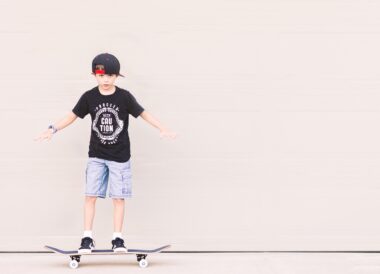
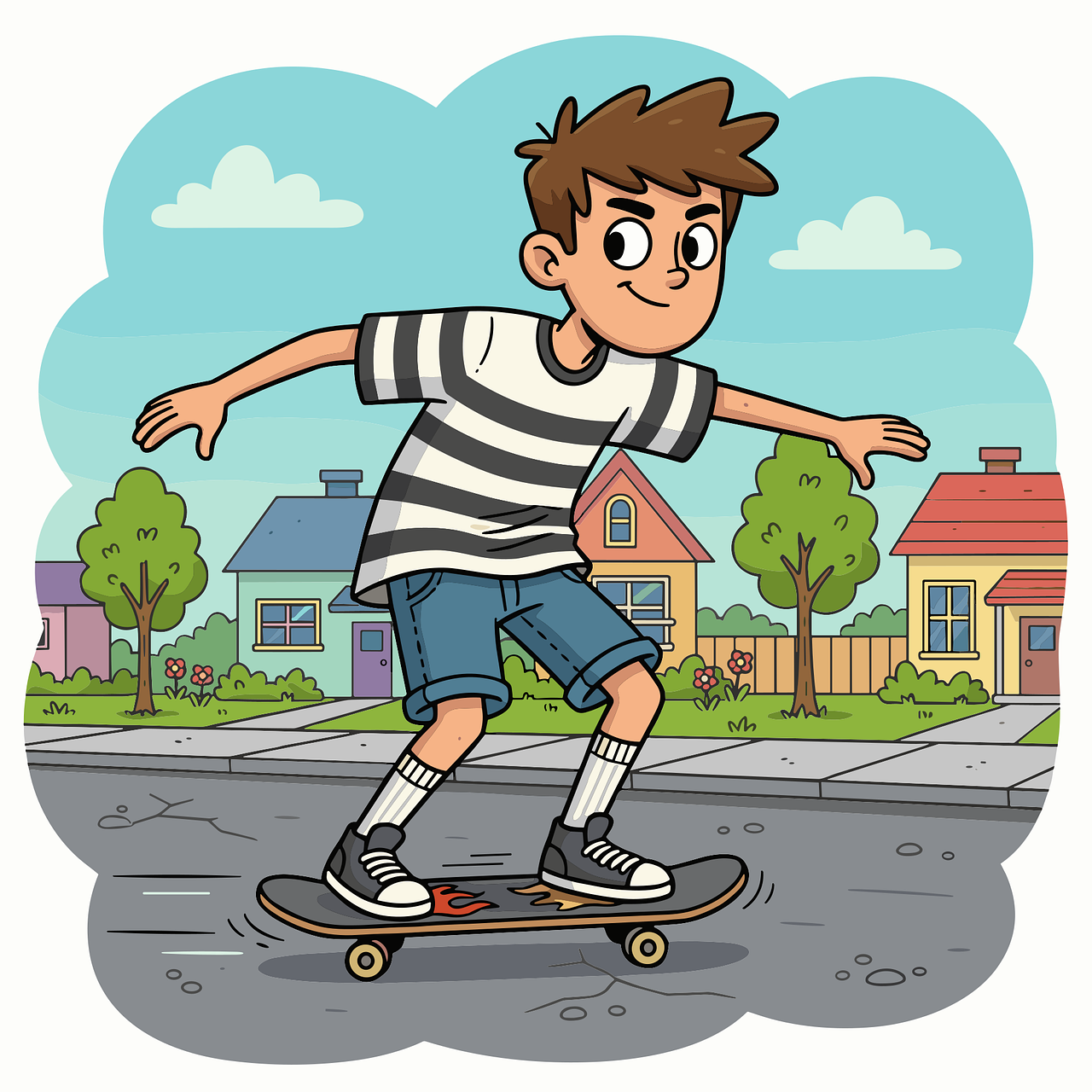
Teaching kids how to skateboard can be incredibly fun with various engaging games. One exciting game is the “Obstacle Course Challenge.” Set up a course using cones, ramps, and other obstacles. This will encourage kids to navigate through the course using different techniques, like ollies and kickturns. Also, it develops agility and balance. Ensure the obstacles are safe and age-appropriate. Another fantastic game is the “Follow the Leader” format, where one experienced skater leads and others follow, mimicking their moves. This helps kids learn by observation while also getting used to basic maneuvers. Have fun while introducing tricks like the ‘pump’ and ‘slide’ in a playful environment. Kids learn best when enjoying themselves, so keep the atmosphere supportive and lighthearted. You can also organize games like “Skateboarding Freeze Tag,” where players must balance on their boards while trying to freeze others. It combines physical activity with social interaction, encouraging teamwork. Lastly, offering small rewards or recognition for achievements can motivate them to keep learning and improving their skateboarding skills, enhancing their overall enjoyment of the sport.
Another exciting game to introduce to kids is “Skateboard Limbo.” This game is not only entertaining but helps improve flexibility and balance. Set up a limbo stick at an adjustable height and have kids skate under it without losing their balance or falling. Gradually lower the stick to increase the challenge as they improve. Kids get to focus on bending and maintaining a steady balance, which are vital skills in skateboarding. Next, consider incorporating a game of “Skateboard Tag.” Participants must stay on their boards while trying to tag others within a designated area. This encourages speed, maneuvering skills, and strategy. To safely play, ensure the skating surface is smooth and devoid of hazards. Additionally, you might want to set a limit on edges of the skateboarding area to avoid collisions. Another fun game is “Tic-Tac-Toe on Skateboards,” where kids skate to draw their moves on the ground with chalk. They can practice their turns and control while strategizing their moves. Make use of fun colors and designs to enrich the experience. Skateboarding games not only teach skills but also foster friendships through sportsmanship among the children.
Creative Learning Through Skateboarding Tricks
Incorporating learning tricks into games is also beneficial. For instance, the “Trick Challenge” can be an engaging game that motivates children to practice specific skills, such as 180s or simple grinds. Select a trick for the week and have kids showcase their best attempt. Kids can cheer each other on, fostering a supportive community while learning to master new tricks. You could even introduce a points system based on execution and creativity, which promotes healthy competition but also encourages improvement. Another fun activity is the “Skateboard Relay Race.” Set up a course where teams compete in a relay format, passing a baton or sticker as they skate. This game enhances speed and teamwork, while participating in a fun and energetic competition. Each kid brings unique strengths, creating a fun atmosphere and allowing them to learn from one another. Don’t forget the classic “Skateboard Simon Says,” which can be tailored to incorporate various tricks and skills. This game cultivates listening skills while reinforcing trick memory, and it’s a simple yet effective way to blend fun with learning on wheels.
“Skateboarding Memory Game” is another entertaining option. For this game, prepare some challenge cards with various tricks or maneuvers written on them. Kids take turns flipping cards and attempting to perform them from memory. This game not only enhances their memory but also their ability to recall and execute tricks under pressure. Also, be sure to include safety precautions such as wearing helmets and pads to protect them while practicing skills. The final activity to consider is “SkateboardArts and Crafts.” While not a traditional game, allowing kids to design and paint their skateboards helps them connect with their equipment. Art encourages expression and personal connection to their experience, which positively impacts their enthusiasm for skating. Such activities build self-esteem as kids showcase their creativity and unique styles. Blending creativity with sports can lead to exceptional outcomes in their motivation and commitment. Each of these games brings excitement, helps children build important skills, and fosters a sense of community. Ensuring a variety of activities will keep kids eager to learn and grow in their skateboarding journey.
Encouraging Safe Practices While Learning
Safety is always a top priority in skateboarding, especially for kids learning the basics. Ensure that every child has the proper safety gear, including helmets, knee pads, elbow pads, and wrist guards. This equipment is essential for preventing injuries while they try out their new games and tricks. Regular safety briefings encourage kids to understand the importance of gear, instilling good habits early on. When introducing games, make sure the environment is supervised and secure. Check for any obstacles or debris that could pose a risk. Setting aside specific areas for practice can help minimize accidents. You can also create a buddy system where children pair up to watch each other’s skating, promoting teamwork and safety awareness. Instilling a culture of safety also boosts their confidence, allowing them to focus more on learning. Have frequent discussions with kids about falling safely and techniques for getting back up after a fall. Understanding how to fall correctly decreases fear and promotes resilience. As they develop their skills, creating a supportive environment encourages them to push their limits and helps them realize that mistakes are part of the learning process, eventually making them better skaters.
Parents and coaches can facilitate growth in children’s skill development by remaining engaged throughout the process. Encouraging them to set achievable goals can be inspiring. Celebrate small victories in achievements to maintain motivation. After a few successful runs, children can gain the confidence to attempt more complex tricks. Offer constructive feedback focused on improvement, which can be a game-changer, especially when they try new tricks. It’s fantastic to document their progress through videos or photos, allowing children to see their own improvement over time. This visual representation can significantly boost motivation, making them excited to continue skateboarding. Playtime doesn’t have to end at the skate park; encourage them to invite friends over for practice. Group practice can foster camaraderie, create a healthy competitive environment, and bring social connections to their skateboarding experience. Encourage kids to share their favorite games and tricks, which allows for cooperation and engagement with one another. Developing relationships through skateboarding enriches experiences. The engagement of family members during this period also has everlasting benefits, making skateboarding a lifelong passion and joy for kids.
Conclusion: The Joy of Learning to Skateboard
Learning to skateboard is an adventure packed with fun and excitement. By integrating various games, children can enhance their skateboarding skills effectively. Games like obstacle courses, limbo challenges, and trick competitions make the learning curve enjoyable, pushing kids to practice and improve. Implementing a variety of activities keeps their interest alive, promoting physical activity while building social bonds. Encouragement from coaches, parents, and peers enhances the learning experience, transforming it into a joyful journey of discovery. Children learn discipline, perseverance, and resilience through skateboarding. Finding joy in small victories and overcoming challenges are valuable lessons embedded in the sport. Most importantly, safety practices ensure kids enjoy skateboarding without unnecessary risks. When children engage with their peers in these structured activities, they are not just learning about skateboarding, but also about teamwork and camaraderie. It’s a delightful experience when kids skate together, cheering one another on while having fun. In conclusion, teaching skateboarding through games creates a rich environment for skill learning and personal development, shaping confident riders who appreciate both the sport and each other.
Hashtags: #SkateboardingGames, #KidsSkateboarding, #FunLearning, #SkateboardingSafety, #SkateboardingLessons