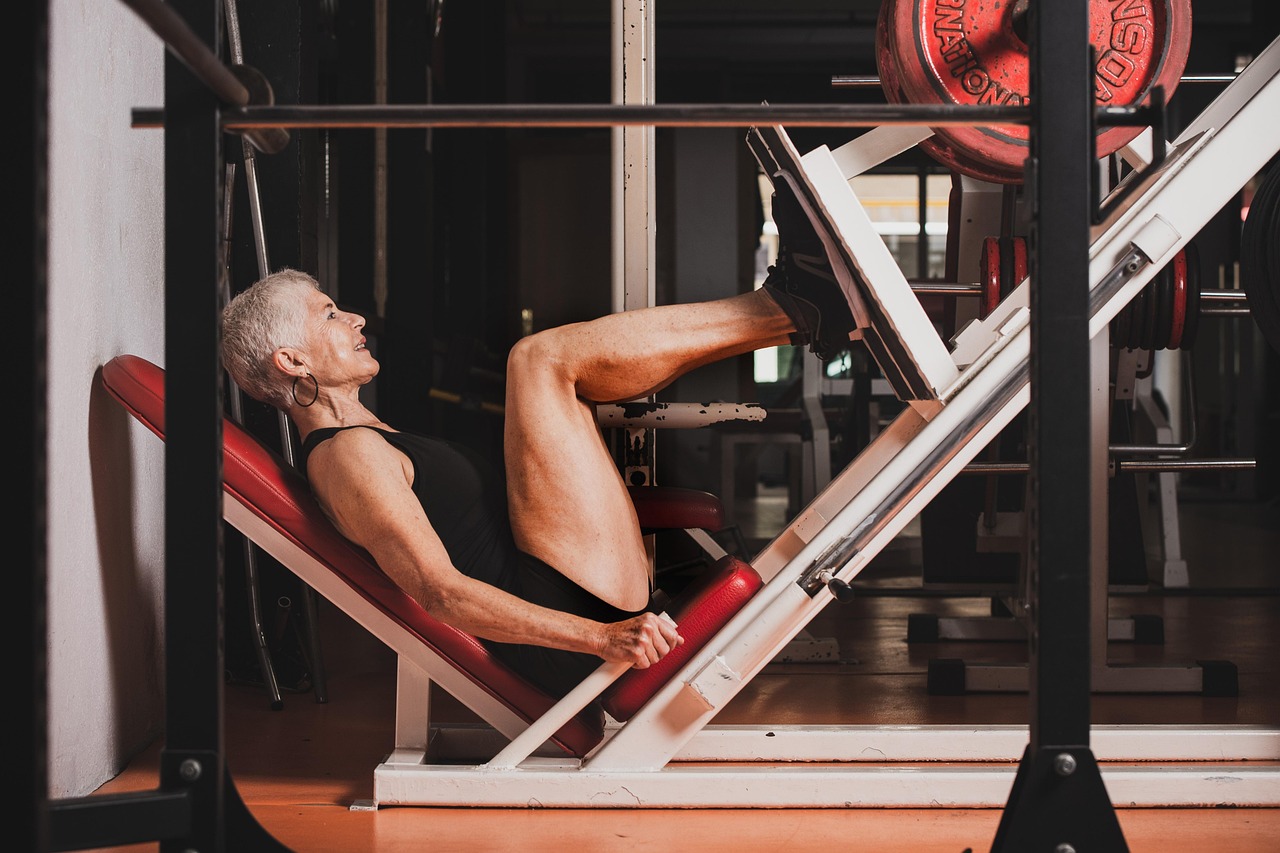

The Science Behind Aging and Exercise: A Certified Trainer’s Perspective
As we age, our bodies undergo a significant array of physiological transformations that can influence our overall health and fitness. A critical aspect of understanding these changes comes from the science of gerontology and exercise physiology. During this process, muscle mass begins to decline, a phenomenon known as sarcopenia, which can negatively impact balance, strength, and functional independence. In addition, bone density reduces, increasing susceptibility to fractures. Engaging regularly in physical activity, particularly resistance and strength training, can counteract these effects. Studies have shown that even older adults can improve their strength and muscle mass through tailored exercise programs. Another important factor to consider is cardiovascular health, which also changes with age. Aerobic exercise, such as walking or swimming, can promote heart health and improve circulation. The critical message is that exercise is not just beneficial, but necessary for maintaining quality of life in older adults. Incorporating various types of exercise is crucial, and certified trainers should know how to adapt these programs to suit older populations effectively. Proper training provides individuals with healthier, more active lifestyles regardless of age.
Through various fitness certifications, trainers receive specialized knowledge about the aging process and how it impacts exercise. This training equips professionals to design effective programs tailored to the unique needs of senior clients. Understanding biomechanics is essential as older adults may have limitations regarding balance and mobility. A well-structured program must consider these aspects to prevent injuries. Additionally, trainers should emphasize proper warm-up and cool-down routines. Warm-ups can enhance flexibility, while cool-downs promote recovery and prevent soreness post-exercise. By focusing on core strength, balance, and flexibility, trainers can help older adults minimize their risk of falls, a common concern. Incorporating functional training, which mimics daily activities, allows seniors to improve their strength for everyday tasks. Furthermore, using accessible equipment such as resistance bands or light weights makes training both enjoyable and safe. Social engagement through group classes can enhance motivation and adherence to exercise regimens. Trainers should also monitor clients’ progress to keep them motivated. Hence, a knowledgeable trainer committed to best practices can profoundly impact their clients’ health and well-being.
The Psychological Benefits of Exercise
The psychological advantages of engaging in regular exercise are particularly significant for the elderly population. Research indicates that physical activity can greatly alleviate symptoms of depression and anxiety, which are commonly experienced by older individuals. This occurs due to the release of endorphins during exercise, creating a sense of accomplishment and well-being. Cognitive function is another crucial area affected by exercise, as studies suggest a strong link between aerobic activity and improved memory and cognitive capabilities. Implementing social interaction in a fitness program can also combat feelings of loneliness among seniors. Classes can serve as a venue where older adults foster friendships and develop supportive networks. Moreover, regular exercise can instill a sense of purpose, encouraging participation in life and community activities. Additionally, trainers can introduce mindfulness practices like yoga or tai chi, which can enhance relaxation and mental clarity. These forms of exercise also improve flexibility and balance. Therefore, addressing both psychological and physical wellness is paramount for achieving quantum improvements in overall health and quality of life among seniors.
Nutrition plays a vital role in conjunction with physical activity when it comes to maintaining health in older adults. As we age, ensuring we consume adequate nutrients becomes increasingly critical for physical performance, energy levels, and overall health. Older adults may experience altered dietary needs, such as increased protein intake to support muscle maintenance and repair. Nutrition education can often be an overlooked component in fitness training programs for seniors. Certified trainers should have a basic understanding of nutritional guidelines that can benefit their clients. For instance, ensuring balanced meals that include fruits, vegetables, whole grains, and healthy fats is essential. Trainers can help by offering meal suggestions or supporting clients in understanding food labels. Hydration is another critical element, especially since older adults may become more susceptible to dehydration. Encouraging regular fluid intake during and after workouts can support optimal performance and recovery. A holistic approach, integrating fitness and nutrition, maximizes outcomes for seniors. Professionals should recommend maintaining a food diary to track nutrient intake, allowing for better guidance and accountability over time, thus promoting a healthier lifestyle.
Creating a Safe Exercise Environment
Safety is paramount when designing exercise programs for older adults. A well-thought-out environment reduces the risk of injuries and enhances the effectiveness of exercise sessions. Certifying organizations emphasize the need for trainers to understand environmental factors, such as flooring, lighting, and spacing in exercise areas. The use of appropriate mats can cushion falls and prevent injury. Additionally, ensuring that equipment is user-friendly and well-maintained is crucial. Prioritizing accessibility allows seniors to exercise without fear or hesitation. To further promote safety, trainers should assess their clients’ physical capabilities before designating a specific program. Performing assessments helps identify any pre-existing conditions or limitations that may require modifications. Moreover, it is vital to keep open communication regarding exercise preferences as this builds trust and confidence. Educating clients on safe practices during workouts improves their understanding of how to protect themselves. Providing resources or creating workshops can assist seniors in developing their exercise knowledge. Overall, prioritizing a safe and supportive environment empowers older adults to engage in regular physical activity confidently.
Monitoring and evaluation are vital components of senior fitness programs. Regular assessments can help trainers tailor workouts to the gym-goers’ evolving needs and abilities. This intentional approach allows individuals to feel achievements throughout their fitness journey, which can foster motivation. Progress tracking can involve various methods, including measuring strength improvements, endurance, flexibility, and overall mobility. Establishing short-term and long-term goals provides clients with clear objectives to work towards. Utilizing feedback mechanisms, from both trainers and clients, further enhances the quality of training sessions. Self-assessment tools can empower seniors in remaining proactive about their fitness journey. Group settings can also bolster accountability, as these create a supportive environment where clients encourage one another. Additionally, scheduled check-ins can assist in adjusting programs as challenges arise in the pursuit of fitness objectives. Incorporating fitness apps or journals can allow clients to document their workouts and share their thoughts on exercises. Celebrating milestones, no matter how small, helps cultivate a sense of achievement. Therefore, ongoing evaluation is essential, ensuring that programs remain effective and motivating for older adults.
Conclusion: The Importance of Certified Training
The importance of certified trainers in the realm of senior fitness cannot be overstated. With their specialized knowledge, trainers are equipped to address the unique challenges faced by older adults. An evidence-based approach to fitness helps educate clients about the benefits of exercise tailored specifically for them. Furthermore, trainers establish safe environments where older adults can thrive while exercising. It is essential to promote lifelong fitness among the aging population, encouraging them to remain active and engaged in their communities. Continued education and staying current with new research findings on aging and exercise also benefit trainers and clients alike. Support for seniors in their fitness journeys plays a significant role in improving their physical, mental, and emotional health. As people continue to live longer, integrating comprehensive fitness programs into their lives is crucial for maintaining independence and vitality. Therefore, the value of having a qualified fitness professional on board is imperative. Ultimately, investing in both physical and mental health through a structured training program empowers seniors to embrace life and thrive as they age.
In a rapidly growing sector like senior fitness, understanding the science behind aging and exercise is vital. Certified trainers must continue evolving, gaining insights to help their clients. By adopting a holistic approach, combining physical activity, nutrition, and mental well-being, older adults can thrive. Such trainers will positively impact their clients’ lives, thus enhancing the overall quality of life for the aging population.