
Understanding Environmental Factors
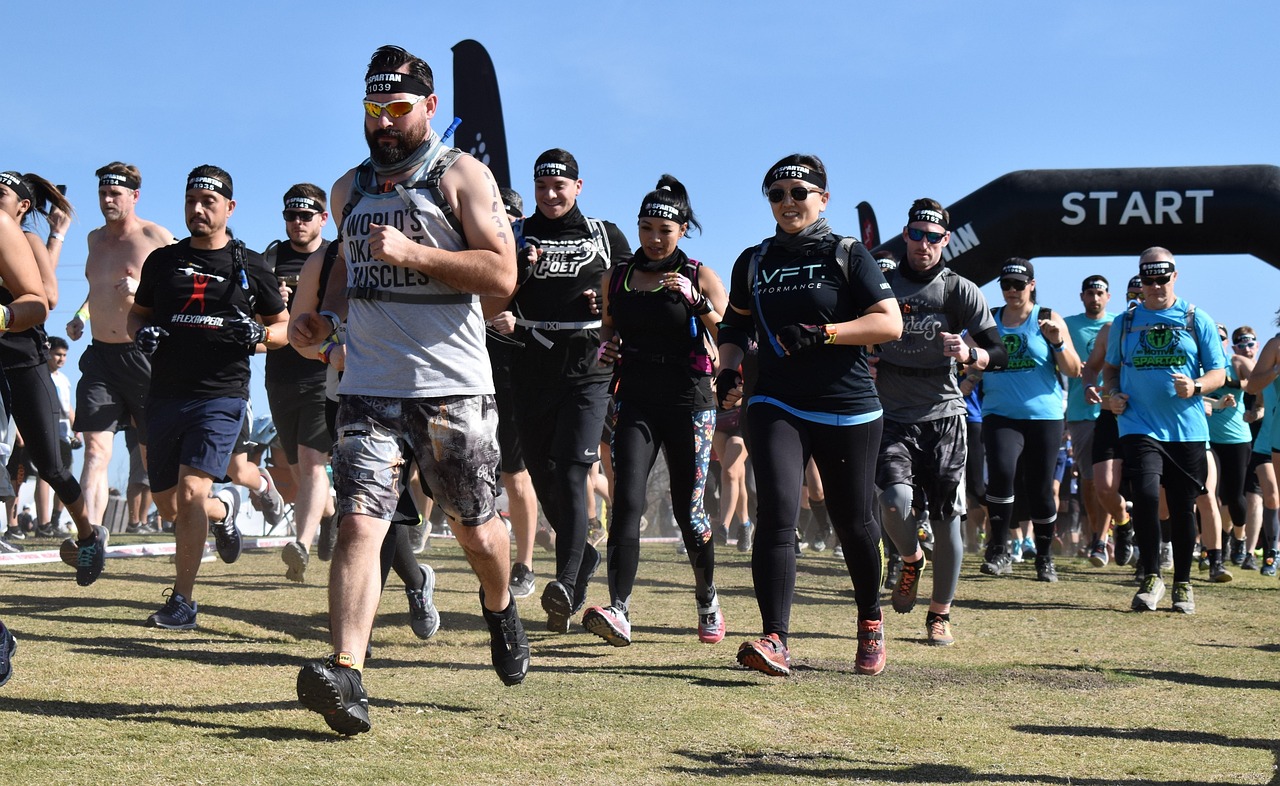
When organizing a fitness challenge, understanding environmental factors is crucial for ensuring participant safety and engagement. The chosen location can significantly impact a challenge’s logistics, including accessibility, safety, and the ability to accommodate various fitness levels. Facilities should provide amenities like restrooms and water stations, while outdoor spaces must be assessed for safe terrain and accessibility. Weather conditions also play a vital role; extreme heat or cold can pose risks. Organizers should prepare participants for diverse weather factors by recommending appropriate clothing and hydration strategies. Furthermore, organizations should understand local regulations regarding shared spaces, as these can affect the challenge timeline and setup. Involving community resources may provide useful support during the planning phases, ensuring a smoother execution. Additionally, gathering information on community fitness preferences can enhance participation and enthusiasm. By considering these environmental variables holistically, you create a more inclusive and supportive environment for all competitors, ultimately boosting their performance and enjoyment. A well-executed fitness challenge nurtures positive experiences, fostering a sense of community and effective outcomes for participants of all fitness levels.
To implement effective challenge rules, it’s important to assess the location’s logistics. Factors such as parking, public transport access, and accommodations for traveling participants influence overall attendance. Gathering feedback from previous events can guide improvements, helping plan for better attendance and participant satisfaction. The competition route or area should be clearly defined, with check-in stations and guidance for participants. Clear signage throughout the challenge area enhances the experience, ensuring that attendees navigate easily. Safety measures should also be considered, with first aid stations and trained personnel on standby. In addition, outlining emergency protocols helps organize a response plan in case of unpredictable situations. A detailed orientation session for participants prior to the event can go a long way in addressing uncertainties. Educating participants about the location, any hazards, and rules of engagement fosters a sense of awareness and preparedness. With well-established logistics, organizers can provide participants with a seamless experience while upholding integrity. By creating an atmosphere of safety and understanding, fitness challenges can be more enjoyable, encouraging individuals to participate and ultimately enhancing community health.
Weather and Its Impact
Weather contingencies are another essential aspect of fitness challenge guidelines. Inclement weather can disrupt even the best-laid plans, so it’s crucial to have actionable strategies in place. Efficient communication systems allow organizers to convey last-minute changes or potential postponements to participants swiftly. Creating a backup plan for indoor facilities or alternative outdoor locations can also ensure that challenges proceed despite weather challenges. Additionally, educating participants on how to adjust their plans based on weather forecasts is vital. Safeguarding against extreme conditions, such as heatstroke during hot weather or hypothermia in cold climates, is necessary. Providing resources to help participants prepare, including dietary recommendations and hydration strategies, empowers them to take responsibility for their safety. Encouraging participants to check local forecasts leading up to the event fosters engagement and preparedness. A proactive approach to addressing weather-related factors enhances participants’ overall experience and promotes participation, regardless of external conditions. By researching historical weather patterns for the selected location, organizers can improve their contingency planning and minimize disruptions effectively. Therefore, a comprehensive understanding of weather considerations contributes greatly to the success of fitness challenges.
Location accessibility is a vital consideration that cannot be overlooked. It’s essential to ensure that the event is within reach of various demographics, including those with disabilities. Evaluate the course for potential hazards like steep inclines or unpaved paths and create alternative routes. Providing ample spectator areas invites community involvement, creating a fun and energetic atmosphere. Also, ensure that transit routes for participants and supplies are accessible to maintain a smooth flow of traffic. When selecting venues, consider nearby facilities that support the event, such as sports clubs that can provide additional gear or competitive insights. Furthermore, if relevant, establish partnerships with local businesses to create sponsorship opportunities, increasing the event’s profile while supporting local economies. Communicating these logistical aspects through marketing materials builds excitement and credibility. Make certain to highlight any unique features of the venue that differentiate it from other challenges, such as beautiful views or historical significance. Ultimately, thoughtful planning regarding location accessibility ensures that fitness challenges are inclusive and can accommodate the participation of a broader demographic, enriching community culture.
Support during Challenges
Providing support throughout the challenge is paramount for participant success. Dedicated staff or volunteers should be assigned to aid participants at various points during the route. This assistance can range from hydration stations to pairing participants with buddies for safety and accountability. Establishing clear lines of communication through mobile apps or two-way radios allows for rapid response to emergencies. Moreover, offering post-event support, such as nutritional advice or cooldown sessions, promotes recovery and reduces the risk of injury. Consider hosting workshops leading up to the event, focusing on fitness-related skills, nutrition, and recovery techniques. These workshops prepare participants mentally and physically, creating an inclusive and supportive atmosphere. Incorporating fun challenges or group activities encourages camaraderie, allowing participants to bond over shared goals. Providing opportunities for feedback after the event helps identify what worked and what might need adjustments in future challenges. Utilizing participant input fosters community relationships, ensuring alignment with local preferences. Ultimately, prioritizing support in various forms—before, during, and after—enhances the overall experience, leading to increased satisfaction and higher likelihood of repeat participation.
Promoting a culture of sustainability in fitness challenges makes a significant impact on participants and the environment. Encouraging specific practices, such as waste disposal and recycling bins, sends a clear message about responsibility. Using eco-friendly materials for merchandise and signage reflects a commitment to environmental sustainability. Additionally, organizing cleanup crews post-event reinforces community collaboration and care for shared spaces. Participants can be incentivized to travel sustainably by rewarding carpooling or the usage of public transport. Hosting educational sessions on the environmental impact of fitness events also raises awareness and cultivates a sense of responsibility. Partnerships with local sustainability organizations can lead to essential support, fostering positive relationships with the community. By implementing these strategies, challenges can serve as a platform for promoting environmental awareness while encouraging fitness. Engaging local businesses for eco-friendly sponsorship opportunities creates a network of support, ensuring financial sustainability. Moreover, documenting the eco-friendly steps taken during the event offers promotional material for future events. Sustainability efforts not only minimize the event’s footprint but also attract environmentally conscious participants, enhancing appeal and increasing overall participation. It highlights a comprehensive approach to fitness challenges for a better future on many levels.
Final Thoughts on Challenges
Ultimately, careful consideration of environmental and location factors is crucial for the success of fitness challenges. This includes not just safety and logistics, but also participant experience and community engagement. Striking a balance between competitiveness and fun fosters an environment where participants feel supported and motivated. When events are organized with transparency and clarity, they are more likely to attract a diverse range of participants. Providing resources before, during, and after the challenge creates a holistic approach that enhances overall satisfaction and encourages future participation. Each fitness challenge serves as an opportunity to build and strengthen community ties, inspiring individuals to adopt healthier lifestyles. Moreover, organizations that prioritize these factors contribute positively to the community’s health culture, paving the way for more impactful events in the future. Effective planning and execution, rooted in consideration for environmental impact, promote sustainability and inclusivity. Fitness challenges evolve into more than just competitions—they become community-building experiences. In summary, understanding and addressing these environmental and location-based considerations is critical to promoting fitness and well-being at a community level.
Through these comprehensive considerations, organizers can ensure that fitness challenges not only meet current standards but also positively contribute to community wellness.