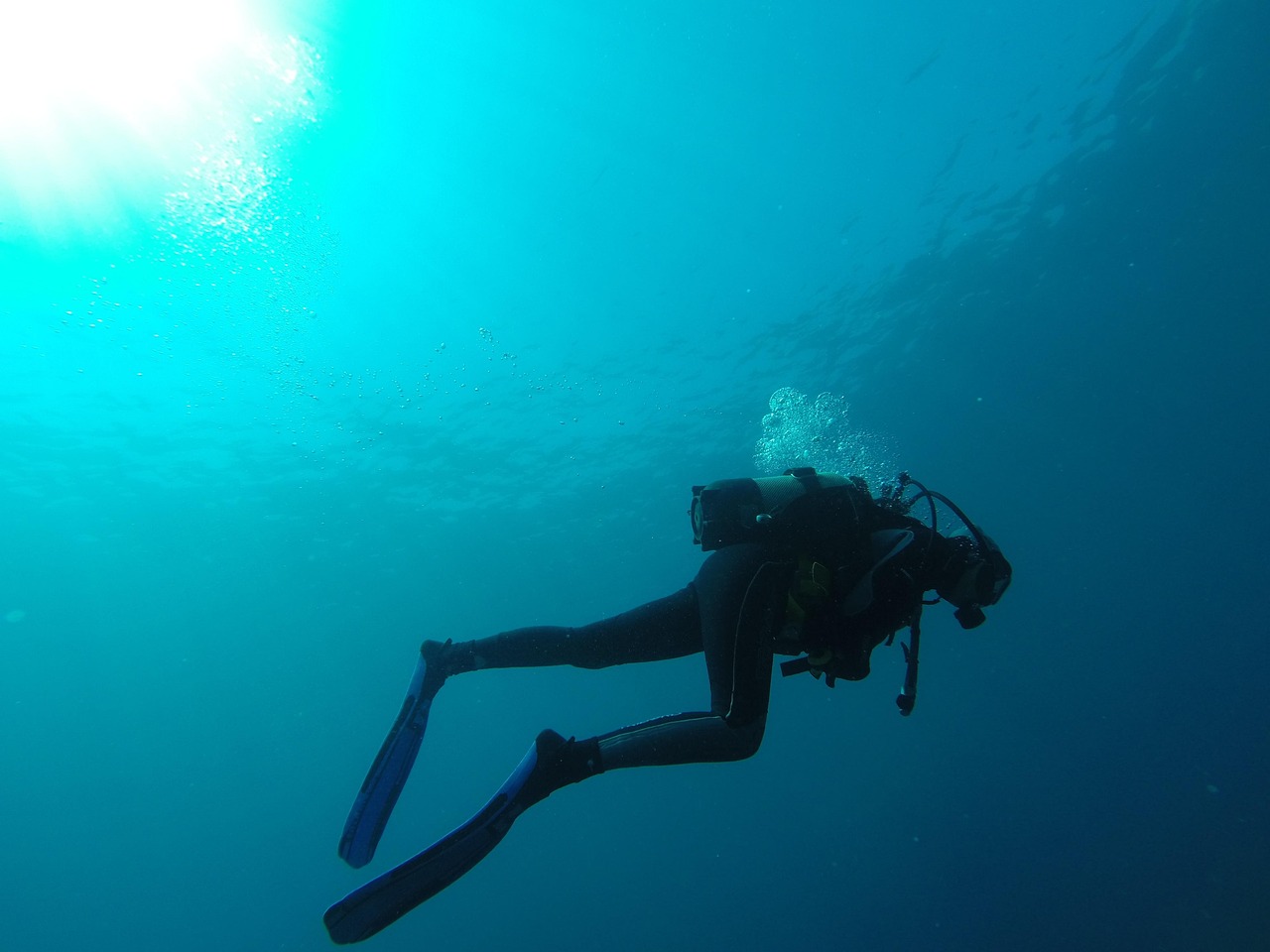

How to Develop Effective Training Programs for Divers
Training programs for divers must be carefully designed to meet the diverse needs of participants. Begin by identifying the specific goals of each training session. Consider the individual skill levels of the divers, as well as their previous experience and comfort in the water. Ensuring that the training is tailored to these abilities will enhance performance and safety. Focus on key areas such as technique, safety protocols, conditioning, and mental preparedness to align the training with divers’ goals. Choose appropriate training formats such as drills, supervised practice sessions, or classroom instruction to reinforce theoretical knowledge and practical skills. Integrating feedback from divers throughout the process encourages participation and insight into their progression. Maintain a flexible approach to accommodate varying learning speeds and styles. This will foster a positive training atmosphere, promoting growth and confidence. Regular assessments should be conducted to track progress, adjusting the training as necessary. Coaches should utilize methods like on-deck observation and video analysis, utilizing technology to enhance training efficiency. Individualized attention to divers’ unique learning needs can significantly impact their overall experience and success.
Establishing a Base for Skill Development
A solid foundation in diving begins with establishing vital skills and knowledge necessary for advanced techniques and training. Emphasize fundamental skills such as buoyancy control, proper entry and exit methods, and basic underwater navigation. Utilize structured lessons to reinforce these skills, blending both practical exercises and theoretical concepts. Ensure each diver understands the importance of these fundamentals in creating a safe diving experience. Conditioning is another key element in divers’ skill development. Introduce strength-building and cardiovascular exercises to improve performance in the water. This should also include flexibility and mobility training to enhance body awareness and adaptability during dives. Progressive training methods can be incorporated to build confidence and mastery. For example, start with shallow dives, gradually increasing depth and complexity. Have regular skill assessments to monitor growth and adapt the training plan as divers progress through different levels of competency. Make learning enjoyable by incorporating games and challenges that instill camaraderie. Celebrating achievements, no matter how small, encourages continued participation and a positive attitude toward diving and ensures divers develop into skilled and responsible athletes.
The role of safety in diving coaching is paramount, emphasizing the importance of risk management throughout training programs. Prioritize safety protocols and educate divers on emergency procedures, including safe ascent practices and response strategies for potential underwater incidents. Conduct regular safety drills, simulating various scenarios, and ensuring each diver is equipped with the knowledge to react calmly. Reinforce the significance of adequate equipment checks, instilling responsibility in divers as they prepare for each training session. Utilize briefings before each dive focusing on site-specific hazards and managing expectations, creating a clear understanding of potential risks involved. Encourage divers to communicate openly regarding concerns, fostering an environment where dialogues about safety are welcomed. Implement feedback mechanisms that allow divers to discuss their perceptions and experiences regarding safety and recognize areas for improvement. There should be periodic reviews of safety protocols and emergency plans based on evolving needs and advancements in diving technology. Engaging divers in safety discussions not only promotes accountability but also nurtures a deeper appreciation for the sport and aligns with their overall development as responsible divers.
Enhancing Performance Through Mental Training
Mental preparation is as essential as physical training in developing effective divers. Implement mental training strategies to help divers build focus, confidence, and resilience. Techniques such as visualization and positive self-talk can enhance performance by creating empowering mental imagery. Encourage divers to visualize successful dives, including execution of skills and overcoming challenges, which can drastically improve their confidence levels during actual performances. Breathing techniques should also be integrated, promoting relaxation and stress management in competitive situations, which reduces anxiety and fosters concentration. Setting realistic goals is vital for mental and emotional empowerment. Help divers set achievable short-term goals along with long-term aspirations, reinforcing the importance of patience and persistence during their journeys. Periodic reflection on performance and experiences helps divers adapt and recalibrate expectations, maintaining motivation. Develop a support structure among coaching staff and divers that fosters camaraderie and promotion of mental health. Create environments where divers can openly express anxieties related to competition or diving itself. This supportive approach dismantles barriers to performance while fostering continuous improvement in skills, encouraging divers to thrive under pressure.
Creating effective training programs is reliant on considering diverse learning styles and preferences among divers. Recognizing that each diver has unique methods of absorbing information can greatly impact the success of training programs. Employ various teaching methods including hands-on practice, verbal instructions, and visual aids to engage all types of learners. Customizable resources such as instructional videos, blogs, and diagrams can supplement learning and provide additional context for practical applications. Encourage collaborative learning experiences by pairing divers for peer feedback sessions, facilitating a rich exchange of ideas and techniques. This not only deepens comprehension but also cultivates teamwork and a sense of community. Utilize technology for remote coaching options, allowing divers to access training materials anytime and anywhere, further accommodating varying schedules and lifestyles. Regularly seek feedback from divers regarding their learning experiences to pinpoint and address challenges effectively. Use this information to refine and improve future training programs, ensuring they remain relevant and effective. Providing divers with a voice in their training fosters engagement while promoting a sense of ownership and accountability towards their learning journeys.
Building a Strong Coaching Relationship
Effective coaching relationships form the backbone of successful training programs for divers. Establishing trust and open communication channels is essential for creating a conducive learning environment. Coaches should take the time to understand divers’ individual motivations, aspirations, and concerns, fostering a supportive atmosphere. Consistent check-ins throughout the training process can help maintain open dialogue, allowing divers to voice their thoughts and experiences constructively. It’s important to personalize coaching approaches, acknowledging diverse backgrounds, skills, and emotional needs. Regularly expressing encouragement and constructive feedback cultivates a strong rapport, motivating divers to push their boundaries and explore their potential. Additionally, facilitate opportunities for divers to engage with one another, initiating community-building activities. Engaging divers in team-building exercises or workshops can strengthen bonding and camaraderie among peers. Be the mentor who creates both fun and challenging experiences while reinforcing learning objectives through camaraderie. A strong coaching relationship fosters not only improved performance but also enhances the overall enjoyment of the sport. These connections positively influence divers’ perceptions of their training, ultimately leading to a more fulfilling and satisfying diving journey.
As training programs evolve, emphasizing the importance of monitoring progress and adapting to divers’ needs is crucial. Utilize various assessment techniques that capture divers’ skill development and emotional well-being. This can include regular performance reviews as well as informal check-ins on divers’ mental readiness. Create an adaptive training framework that allows for the incorporation of new techniques, technologies, or insights as they arise, ensuring training remains contemporary and relevant. Embrace ongoing education for coaches so they remain informed of the latest industry trends and best practices. Consider including techniques such as data analytics to track divers’ progress and identify trends in their development. These insights can help in tailoring training plans effectively and catering to individual needs more distinctly. Feedback loops are vital; fostering an environment conducive to reflection and improvement enables both divers and coaches to thrive. Acknowledge that continuous improvement is a journey that requires dedication, persistence, and resilience from both coaches and divers. Ultimately, with a collective commitment to evolving and learning together, a sustainable and effective training program will lead to enriched diving experiences.
Building a structured support system enhances diving training programs, paving the way for divers’ growth and development. Coaches should actively engage with families, schools, and dive clubs to create a well-rounded support network. Foster open communication to promote understanding of divers’ goals and the importance of consistent encouragement from their support systems. Encourage parents to partake in divers’ journey by attending training sessions and competitions, creating a sense of community beyond the diving experience. Utilize resources from local dive clubs or organizations to enhance divers’ learning and provide connections for future opportunities. Organize training camps or workshops that focus on refining techniques while nurturing social elements among divers and families. Collaborate with professionals such as nutritionists and sports psychologists to offer comprehensive support, ensuring divers are not only trained physically but also mentally prepared. Providing access to diverse perspectives will empower divers as they navigate challenges and pursue excellence. Emphasize the value of balancing personal commitments with diving endeavors, promoting a healthy lifestyle. Alongside the pursuit of excellence, instilling a sense of gratitude and appreciation for the sport nurtures lifelong passion for diving.