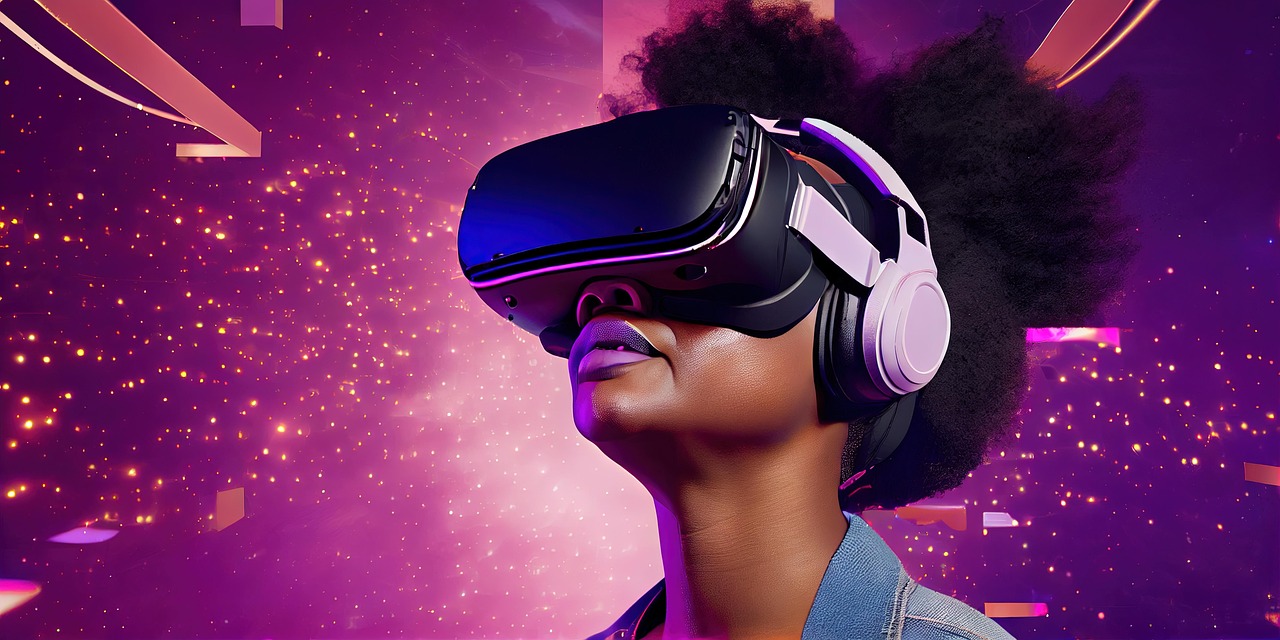

Utilizing Virtual Reality in Pediatric Physical Therapy
Pediatric rehabilitation faces unique challenges due to the diverse needs of children. Traditional methods, while effective, can be tedious and fail to engage young patients fully. Virtual reality (VR) technology enters this space as an innovative solution, promising to transform how physical therapy is delivered. By immersing children in interactive environments, therapists can provide engaging, motivating experiences that encourage movement and rehabilitation. This approach allows for a tailor-made therapy experience that can cater to a child’s specific needs while making the process fun. Studies have shown that using VR can significantly increase a child’s willingness to participate in therapy. As children often associate physical therapy with discomfort or boredom, VR helps by turning these sessions into a game-like experience. Children can explore virtual worlds, complete missions, or interact with animated characters, all while performing essential physical exercises. The integration of VR into pediatric rehabilitation not only enhances physical outcomes but also improves emotional well-being, fostering a positive attitude towards therapy. Overall, virtual reality could emerge as a vital tool in pediatrics, reshaping therapeutic practices and outcomes.
One significant advantage of utilizing VR in pediatric physical therapy involves enhancing patient motivation. In traditional settings, children might lose interest quickly, but VR keeps them engaged through dynamic visuals and interactive challenges. By transforming therapeutic exercises into enjoyable experiences, the likelihood of consistent participation improves dramatically. Immersive environments can simulate various scenarios where children must react physically, such as catching a virtual flying object or jumping over obstacles. These fun activities help distract them from any discomfort associated with their recovery process. This element of fun has proven beneficial in maintaining attention and willingness to participate, often leading to enhanced physical improvements. A child’s enthusiasm can escalate when they perceive therapy as a game; this can lead to increased physical engagement during sessions. Furthermore, therapists can track progress through VR systems, allowing them to modify activities based on each child’s performance. This adaptability ensures that each therapy session remains challenging yet attainable, fostering a sense of achievement in young patients. With improved motivation, children are likely to develop a better relationship with their rehabilitation journey, ultimately leading to quicker recovery.
Creating Personalized Therapy Programs
The application of virtual reality technology in pediatric rehabilitation extends to creating personalized therapy programs. Each child’s physical condition, age, and interests demand a customized approach to therapy. With VR, therapists can design unique experiences, adjusting elements to align with the child’s preferences, making therapy feel more enjoyable. For instance, a child with a keen interest in superheroes may find motivation in a VR program that incorporates heroic challenges requiring physical activity. Tailoring therapy sessions in this manner can help foster a stronger connection between the child and their recovery process, leading to enhanced outcomes. Personalized experiences allow therapists to focus on specific body movements or muscle groups that require attention, ensuring a more targeted rehabilitation approach. Additionally, the adaptability of VR systems allows real-time adjustments during the session based on performance metrics. This responsiveness empowers therapists to refine therapies as needed quickly, promoting a positive rehabilitation experience. As a result, children are more likely to show improvement and enthusiasm during their physical therapy sessions. The immersive nature of VR also contributes to building resilience and confidence as children overcome challenges placed before them.
Integration of virtual reality into pediatric physical therapy faces some barriers, mainly concerning accessibility and technology familiarity. Despite its numerous advantages, the cost of setting up VR systems may hinder many clinics, particularly those in underserved areas. However, as technology becomes more mainstream and affordable, the potential exists for VR to become a standard in pediatric rehabilitation practices. Ensuring that all children can benefit from these advancements is crucial. Furthermore, staff training is essential to equip therapists with the necessary skills to implement VR into their practice effectively. This technological transition requires a shift in thinking, emphasizing the importance of ongoing education and training programs for practitioners. In addition, it is essential to include parents in the VR therapy approach; their involvement is critical in the child’s recovery. Open lines of communication and training resources focused on how to support their child during VR sessions can enhance the therapeutic outcome. As more healthcare providers recognize the value of VR technology, collaboration among developers, therapists, and parents can help overcome challenges, fostering an effective implementation of this promising tool in pediatric rehabilitation.
Enhancing Therapeutic Relationships
Engaging children in their rehabilitation journey is vital for successful outcomes, and VR can significantly enhance those therapeutic relationships between the child and the practitioner. The playful nature of virtual reality experiences can break down barriers that typically exist in traditional settings, fostering greater trust and communication. When children enjoy their therapy sessions, it reduces anxiety and builds a rapport with therapists. This trust is essential for children to express their feelings, fears, and progress genuinely. Engaging experiences encourage children to return for therapy sessions willingly rather than out of obligation. As a result, therapists become more aware of the child’s emotional and physical needs, allowing tailored interventions. Moreover, VR can branch out beyond physical therapy; it promotes emotional and social benefits through group activities that allow children to interact with peers. Socialization during rehabilitation can help foster friendships, providing emotional support that further enhances recovery. Overall, enhancing therapeutic relationships through VR has the power to create a nurturing environment where children feel valued, respected, and motivated to work towards their rehabilitation goals.
Continuous research is essential to assess the long-term impact of virtual reality on pediatric rehabilitation outcomes. While immediate benefits of increased engagement are documented, understanding the sustained effects of this technology on overall recovery is crucial. Researchers are conducting studies comparing traditional therapy methodologies with VR-enhanced approaches to determine effectiveness comprehensively. This ongoing evaluation aims to provide healthcare professionals with substantial evidence supporting VR’s inclusion in standard rehabilitation practices. Gathering data on physical improvements and emotional well-being over time helps practitioners tailor future interventions. As more evidence emerges, healthcare facilities can make informed decisions regarding the implementation of VR systems. Collaboration between tech developers, healthcare providers, and researchers will be instrumental in developing future VR platforms specifically designed for pediatric rehabilitation. These advancements can lead to more interactive, engaging solutions that address the diverse needs of children. Furthermore, sharing findings through publications and conferences will promote knowledge dissemination across the healthcare community. Encouraging these conversations can enhance the collective understanding of VR potentialities, stimulating innovative rehabilitation solutions. Consequently, continuous research holds the key to unlocking virtual reality’s full potential in pediatric physical therapy.
Conclusion on the Future of VR in Rehabilitation
In conclusion, virtual reality represents a promising frontier in pediatric rehabilitation, fundamentally changing how therapy is approached for children. The integration of immersive and interactive experiences aims to improve not just physical outcomes but emotional well-being as well. Children can engage more effectively, benefiting from personalized therapy and fostering stronger therapist relationships. The challenges of accessibility and technological training must be addressed to ensure that all patients can gain these benefits. As research continues and technology becomes more accessible, pediatric rehabilitation practices will likely embrace virtual reality as a standard component in their therapy toolbox. By investing in VR technology and education, healthcare systems can help dance towards an exciting future, where children can enjoy rehabilitation as an adventure rather than a chore. This revolutionary approach could inspire a new generation, empowering children to take control of their healing journey while having fun. The advocacy for VR in pediatric physical therapy has the potential to create lasting change, transforming recovery trajectories for children and restoring hope in countless families worldwide.
Research indicates that young patients who engage in VR-enhanced therapy show more significant improvements and greater satisfaction levels. As we move forward, synthesizing technological advancements with therapeutic practices will remain paramount. Virtual reality offers endless possibilities by enhancing rehabilitation experiences tailored specifically to children, merging fun with functional improvements. Therapists equipped with the right digital tools will be prepared to tackle the evolving landscape of pediatric rehabilitation. By adopting this technology heartily, healthcare providers can ensure that therapy becomes an engaging adventure, ultimately leading to better outcomes for young patients.