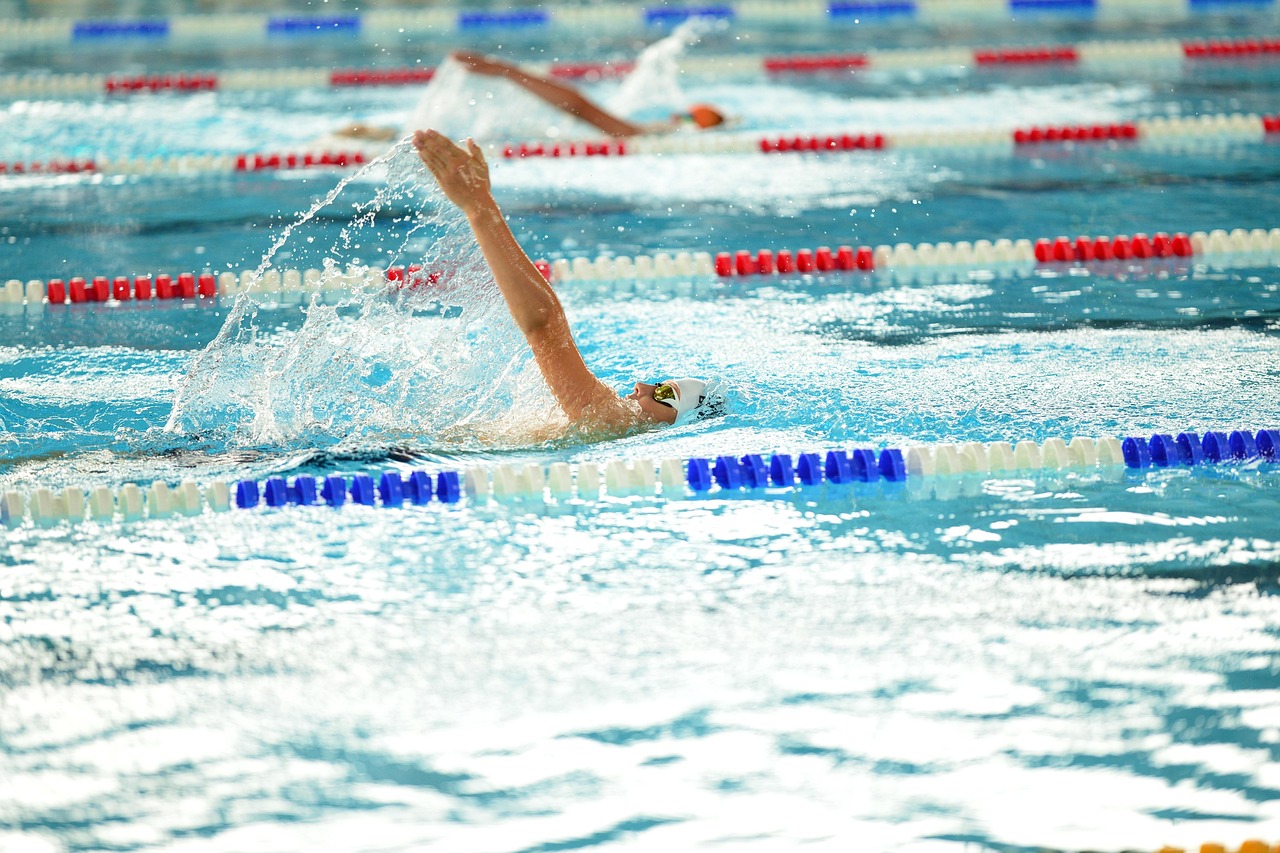

Fluid Intake Traditions in Competitive Swimming Across Different Countries
Competitive swimming has a rich heritage that goes beyond technique and training; it also encompasses unique hydration strategies shaped by cultural practices. Each country boasts its own customs, influencing how swimmers approach fluid intake. For instance, Australian swimmers often prefer electrolyte-rich beverages, celebrating sunny weather and hydration awareness initiatives. In contrast, Japanese swimmers might routinely incorporate traditional rice-based drinks like amazake for hydration during competitions. These drinks symbolize not only nourishment but also cultural pride. Swimmers in countries with a colder climate may favor warming beverages, valuing the comfort during training meets. Similarly, in regions rich in natural spring waters, such as Switzerland, swimmers regularly consume local mineral waters known for their health benefits. This trend highlights how geography shapes hydration practices among athletes. Moreover, the global emphasis on hydration education increasingly promotes a standardized approach through workshops and seminars held by swimming federations. Though different, every country’s approach showcases a diverse narrative about perseverance, highlighting the intersection of tradition, culture, and sport. Therefore, understanding these fluid intake traditions can inspire athletes to explore best practices from around the world.
The Role of Climate in Hydration Practices
The local climate significantly dictates hydration practices among competitive swimmers globally. In warmer countries, such as Brazil and South Africa, athletes often consume large quantities of cold beverages to maintain peak performance. These swimmers rely heavily on flavored electrolytes in fruity variations to replace lost minerals during vigorous training. On the other hand, in Nordic countries, such as Sweden and Norway, swimmers adopt a different approach, favoring hot drinks to counteract the chilly environments. Herbal teas and broths often emerge as popular choices, emphasizing comfort while staying hydrated. Additionally, shifts in global temperatures can affect hydration urgency, as recent studies have shown increased emphasis on preventing dehydration during competitions. Athletes continually adapt to heatwaves, incorporating strategic hydration tactics aligned with climate changes. Environmental factors spur innovations, including portable hydration backpacks that keep fluids cool on hot days. This has led to greater attention towards customized hydration plans which take personal preferences and local climate into account. Thus, as every climate brings unique challenges, the importance of tailored fluid intake strategies remains crucial among competitive swimmers across diverse landscapes.
Cultural events and sporting traditions often intertwine with hydration practices, significantly shaping what athletes consume. For example, during the ancient Greek era, athletes would consume honey in their drinks, fascinated by its energy-boosting properties. In modern competitions, this practice may have evolved; many local or national tournaments reflect regional specialties, highlighting foods consumed to accompany fluids. Countries like Italy integrate coffee as a part of hydration strategies, focusing on its mental focus benefits while competing. Similarly, Mexico champions the consumption of agua de jamaica, a hibiscus drink rich in antioxidants, post-training sessions. Besides beverages, food cultures influence hydration strategies. Many swimmers choose whole foods, such as bananas and nuts, pairing these with their liquid intake to maximize energy levels through a balanced diet. Thus, blending hydration with cultural foods enriches athletes’ experiences. The celebration of local hydration traditions elevates the sporting spirit, creating a sense of community among competitors and fans alike. Ultimately, these cultural practices within hydration contribute to a thriving competitive swimming atmosphere, where tradition plays a pivotal role in enhancing not just performance but also overall well-being.
Hydration Technologies in the Competitive Scene
Technological advancements also shape hydration practices among competitive swimmers, complementing traditional methods. Innovations like smart bottles that track fluid intake help athletes maintain their hydration levels. This technology, combined with mobile apps, provides personalized recommendations based on sweat rates and workout intensity. The introduction of hydrating powders has also gained traction, offering versatile solutions that appeal to different tastes while supporting sustained performance. Swimmers across many countries embrace these products for their convenience, especially during travel to competitions where access to traditional drinks might be limited. Additionally, wearable devices can monitor body temperature and hydration status, sending alerts when rehydration is necessary. This real-time feedback ensures that athletes maintain optimal hydration based on personal needs. Integrating technology into hydration strategies dramatically enhances performance outcomes. None can underestimate its role in today’s competitive environment, where data-driven decision-making is paramount. These advancements not only improve individual hydration strategies but also encourage healthier habits throughout the larger swimming community. Therefore, as athletes adapt to modern technologies, best practices for fluid intake evolve continuously, leading to better health and sustained athletic achievements.
In recent years, an increasing focus has emerged on sustainability within hydration practices. Athletes and organizations alike are exploring eco-friendly solutions, fostering a dialogue about environmental responsibility in competitive swimming. Reusable water bottles are gaining popularity while disposable plastic containers are phased out to reduce waste. Many competitions now offer refill stations, providing easy access to filtered water for attendees and swimmers. The integration of sustainable hydration has cultivated a culture of responsibility, showing that competitive sports can align with ecological goals. Countries like Canada lead the way with these initiatives, emphasizing environmentally-friendly practices as part of their swimmer’s educational programs. Similarly, aquatic federations across Europe encourage sustainable drinking habits, offering resources on eco-conscious hydration. Athletes in all corners of the world contribute by sharing best practices in their communities, leading to a shift in how hydration strategies are perceived. Matched with performance benefits, environmental consciousness gains traction. This movement intertwines competitive swimming with moral commitment, creating an inclusive environment where athletes understand their choices influence broader ecological matters. Thus, sustainability represents an emerging dimension of hydration practices that invigorates the swimming community while promoting awareness.
Global Competitions and Their Impact on Hydration Practices
International competitions play a vital role in shaping hydration practices across countries. Major events like the Olympics serve as platforms showcasing diverse hydration strategies as athletes share their experiences. Exposure to varying styles helps swimmers reassess their approaches, leading to experimentation with new beverages and hydration methods. As athletes exchange practices during these tournaments, they gain insight into each other’s hydration rituals, fostering a global perspective on optimal fluid intake. For instance, collegial interactions frequently lead to a blending of local traditions with newly acquired practices. In this context, swimmers from Mediterranean countries often adopt rehydration strategies popularized by counterparts from Arctic nations. Viewing competitive swimming as a shared experience enhances cultural understanding among athletes, who often unite around common goals while maintaining their unique traditions. These shared interactions extend beyond hydration, inspiring cooperation and gregariousness within the sport. By participating in global competitions, swimmers influence each other’s habits, encouraging a broader dialogue about hydration that transcends borders. Consequently, international events catalyze innovation, inspiring creativity and evolution in swimmers’ hydration practices while adhering to their cultural roots.
The importance of hydration education for athletes cannot be overstated, as it ensures that swimmers can make informed decisions about fluid intake. Many countries now incorporate hydration education in their training programs, focusing on the daily hydration needs of athletes. Regular workshops empower swimmers with knowledge about when and how much to drink based on their activities. This educational emphasis is crucial in preventing dehydration during competitions, emphasizing both performance and health. Countries like Australia emphasize direct training methods on hydration strategies using practical demonstrations. Innovation in teaching methods, such as interactive sessions, elevates athletes’ awareness about hydration effects on stamina and recovery. Coaches and sports nutritionists collaborate to reinforce the significance of personalized hydration plans based on unique athlete needs. Moreover, growing research offers evidence-based guidelines contributing to hydration education, promoting standards within competitive swimming. As athletes become increasingly knowledgeable about hydration, they can adjust their practices to match competition conditions actively. The overall focus on educating swimmers not only elevates performance levels but also instills lifelong habits leading to overall well-being. In this evolution, hydration education represents a cornerstone of future success in the world of competitive swimming.
Moreover, the infusion of scientific research into hydration strategies poses new opportunities for improvement. Studies highlighting the relationship between fluid intake and athletic performance are paving the way for tailored hydration plans. Focused research enhances the dialog among sports professionals regarding optimal hydration points, leading to advancements in competitive swimming practices. Athletes are increasingly advised based on new findings, marking a shift toward evidence-based hydration techniques. For instance, adjustable fluid intake recommendations reflect advancements in understanding individual metabolic rates and sweat loss. Furthermore, hydration supplementation, integrating carbohydrates and electrolytes, is making waves as a strategic choice among elite swimmers. This method allows for efficient recovery during and after races. Consequently, systematic approaches to hydration prevail over traditional methods, representing a paradigm shift influenced by ongoing research. Workshops and seminars facilitated by scientific experts are demystifying hydration strategies, fostering a culture of inquiry among athletes and coaches alike. Ultimately, the interplay between hydration practices and scientific findings creates a dynamic atmosphere that encourages innovation. By continually embracing research, competitive swimming positions itself at the forefront of optimal performance, further reinforcing the importance of staying well-hydrated.