
Involving Schools and Communities to Motivate Youth Fitness
Creating opportunities for children to exercise can be crucial for their overall development. Schools and communities play significant roles in making physical activity accessible and enjoyable for youths. By collaborating, these entities can design programs that encourage students to engage in regular fitness activities. After school sports clubs can enhance physical education; these initiatives often include diverse activities catering to various interests. Communities can contribute by providing facilities and organizing events that promote physical well-being. Understanding children’s preferences helps in shaping programs that attract them to participate actively. For instance, incorporating games and competitions can stimulate their enthusiasm for sports. Additionally, offering incentives for participation through rewards can further enhance their motivation. Parents also play a vital role by encouraging their children to join these physical activities, fostering a supportive environment. Moreover, health awareness campaigns conducted in schools and communities can inform kids about the significance of fitness, inspiring them to maintain an active lifestyle. By establishing this connection between educational institutions and community resources, we cultivate a culture of health that empowers youths to prioritize exercise throughout their lives.
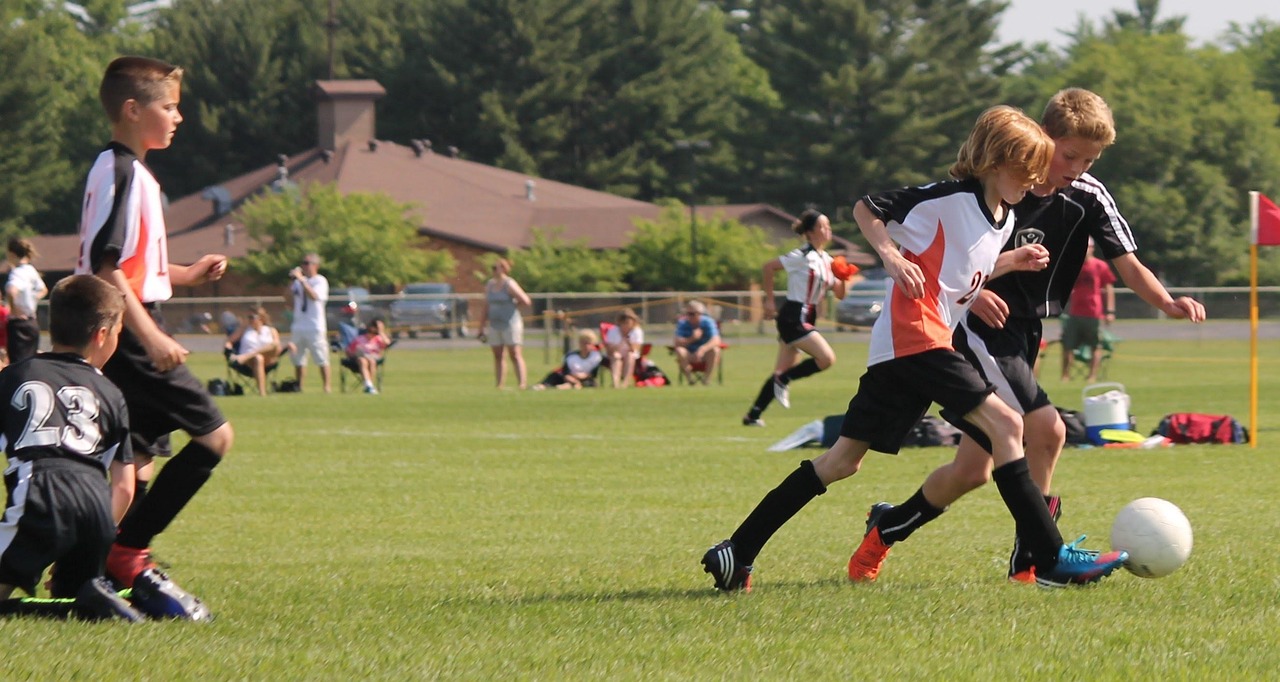
Children today face many challenges that hinder their ability to stay active. With the rise of technology and increased screen time, less emphasis is placed on physical activities. Schools can combat this trend by creating a curriculum that prioritizes fitness. Implementing daily physical activities, such as morning stretches or designated break periods for physical exercise, can effectively engage students. Schools should also encourage participation in team sports by organizing intramural competitions, making it enjoyable for youths. Collaborating with parents helps facilitate this also; by organizing family fitness nights, everyone gets to join the fun, reinforcing the importance of exercise. Communities can enhance this school-based approach by offering workshops showcasing local sports clubs that kids can join. Local businesses can sponsor events or provide resources to support physical education. The presence of role models is critical; bringing in local athletes to demonstrate their sports can encourage kids to emulate their active lifestyles. Furthermore, using social media to promote events can generate excitement, making it easier to inform students about upcoming fitness activities. This concerted effort between schools, parents, and communities can drastically improve the fitness levels of kids.
The importance of developing partnerships in promoting fitness among youths cannot be overlooked. Establishing connections between schools and local organizations can lead to the implementation of substantial physical activity programs. Collaborative ventures can focus on building trails and parks, making them not only accessible for children but engaging, as well. By involving educators and youth leaders, communities can ensure activities meet the interests of children and their families. Schools can integrate local sports teams into their programs, providing students with inspiration and camaraderie while emphasizing teamwork. Offering varied sports options can help cater to the diverse interests of children, ensuring every child finds a suitable activity. On top of that, organizing community sports festivals can unite families, encouraging participation and interaction among members. These events create a sense of belonging while promoting an active lifestyle. Also, after-school programs can be designed for specific interests, such as dance or martial arts, sparking the engagement of those hesitant in traditional sports. Involving parents and the broader community can maximize participation and foster an environment where fitness thrives. By uniting efforts, we create an atmosphere conducive to long-term health and fitness in youth.
Health Benefits of Regular Exercise
Regular exercise encourages children to develop healthier lifestyles, guarding against obesity, diabetes, and other associated ailments. Involving schools and communities to motivate kids to exercise can result in significant health improvements. As children participate in various activities, they build strength, improve coordination, and enhance cardiovascular health. Early exposure can lead to lifelong habits, benefitting physical and mental well-being. Furthermore, engaging in teamwork fosters social skills and emotional resilience, providing children with essential tools for their future. Studies show that children involved in sports tend to do better academically, resulting from improved focus and self-discipline. It allows them to express themselves in healthy ways, increasing their confidence and self-esteem. When schools and communities provide safe environments, they encourage physical activities that empower kids to explore their physical potential. Encouraging outdoor play is vital as it develops not only physical health but also creativity and emotional growth. Additionally, a supportive community can motivate reluctant youths to try new activities. This collective endeavor builds enthusiasm and inspires children to prioritize fitness, forming habits that can influence their lifestyles for years to come. Ultimately, promoting a physically active culture positively impacts the entire community.
Promoting fitness in schools not only enhances the learning experience but also lays the foundation for a healthier society. A well-rounded physical education program should include a mix of sports, individual fitness activities, and health education. This ensures children understand the underlying principles of fitness and how it relates to their overall health. Offering varied programs can help maintain commitment and interest; features such as dance classes, aerobics, or yoga can appeal to different personalities. Schools can work toward creating after-school programs dedicated to these activities, inviting community instructors to conduct classes. Collaborating with local health officials can lead to impactful nutrition and fitness workshops, ensuring children understand the significance of their choices. Furthermore, schools can provide platforms for kids to demonstrate their skills, like talent shows or sports days, enhancing motivation. Recognizing achievements, whether through certificates or public accolades, can further inspire youths to engage in fitness. Establishing a supportive atmosphere encourages growth among children and nurtures friendships through shared activities. By continuously promoting the importance of exercise and healthy choices, we can guide children on the path toward lifelong fitness habits.
Challenges and Solutions in Youth Fitness
As schools and communities endeavor to motivate youth fitness, certain challenges arise that demand creative solutions. Limited budgets can restrict physical education resources, making it difficult to sustain programs. Grants and sponsorships can provide financial support; reaching out to local businesses to seek contributions can alleviate some financial strain. Families may also play a role by fundraising and organizing events that encourage physical movement. Furthermore, the mentality surrounding fitness must shift; inherently viewing physical activity as a fun social engagement can be key. Schools can promote this by creating enjoyable activities that prioritize collaboration and camaraderie. Parents should also recognize the importance of leading by example, modeling participation in fitness endeavors to inspire their children. Cultural barriers might limit participation in certain sports, indicating a need for inclusive programs appealing to diverse communities. By offering a wider range of activity options, schools can cater to unique demographics. Additionally, addressing misconceptions about fitness and body image can improve youth confidence, encouraging their active involvement. Engaging in open discussions with young people can also facilitate change, ultimately enhancing their commitment to regular exercise.
In conclusion, the collaboration between schools and communities plays a pivotal role in motivating youth fitness. By focusing on engaging programs, informed resources, and a supportive environment, children will be more inclined toward physical activity. Stakeholders should recognize the importance of collective responsibility in promoting fitness. Ensuring accessibility creates space for diverse activities, resonating with children from all backgrounds. Continued efforts in health education are necessary as well, emphasizing the significance of exercise in their lives. Role models inspire and motivate, allowing them to connect with mentors who share their interests. By addressing challenges and implementing effective solutions, we can foster an enduring culture of fitness. Communities can also unite families, ensuring their continued involvement in active pursuits. The excitement generated by community events can create anticipation, motivating kids to participate enthusiastically. The journey toward improved youth fitness requires dedication and commitment, encompassing parents, educators, and community members alike. Together, through these partnerships, we can ensure that children develop lifelong healthy habits, setting them on a path toward success, both physically and mentally. Investing in youth fitness is truly an investment in our collective future.
Ultimately, as we look to the future of youth fitness, implementing collaborative strategies must be at the forefront. Schools and communities working together can create environments where kids thrive, enabling their lifelong engagement in fitness. By fostering an active generation, we can indirectly contribute to building healthier communities. Parents and educators must remain consistent in promoting opportunities for physical activities, breaking the routine of sedentary lifestyles. Integrating technology to promote engagement can enhance effectiveness; gamifying exercises through apps encourages participation while being fun. Local organizations can offer workshops for parents, helping them learn the importance of physical fitness for their children. Moreover, incorporating physical activities into family time dramatically enhances overall participation; biking as a family can be enjoyable and productive. Lastly, the continuous evaluation of fitness programs is necessary to adapt to the evolving needs and interests of our youth. By maintaining communication, we can ensure that improvements can be integrated seamlessly into existing structures. This cooperative approach fundamentally supports youth fitness, providing essential skills and fostering physical well-being. As this initiative thrives catalyzes further success, the long-term benefits will resonate throughout future generations.