
The Influence of Motivation on Team Sports Performance
Motivation is an essential factor in the realm of team sports, significantly influencing athletes’ performance. Understanding how motivation operates can enhance coaches’ and players’ ability to achieve excellence. Athletes are driven by various forms of motivation, which can be broadly categorized into intrinsic and extrinsic. Intrinsic motivation originates from within the athlete, fueled by a personal connection to the sport and the joy of participation. On the other hand, extrinsic motivation often comes from external rewards, such as trophies, recognition, and approval from coaches and teammates. These two motivational types play critical roles in establishing a productive training environment, fostering teamwork, and cultivating a positive sports culture. Research indicates that teams that cultivate a high level of intrinsic motivation tend to outperform those that rely solely on external incentives. Coaches should encourage athletes to set personal goals, immerse in the flow of the game, and reinforce their passion and love for the sport. Ultimately, understanding motivation’s influence is key for maximizing athletes’ potential and efficacy in team dynamics, leading to improved performance overall in competitive settings.
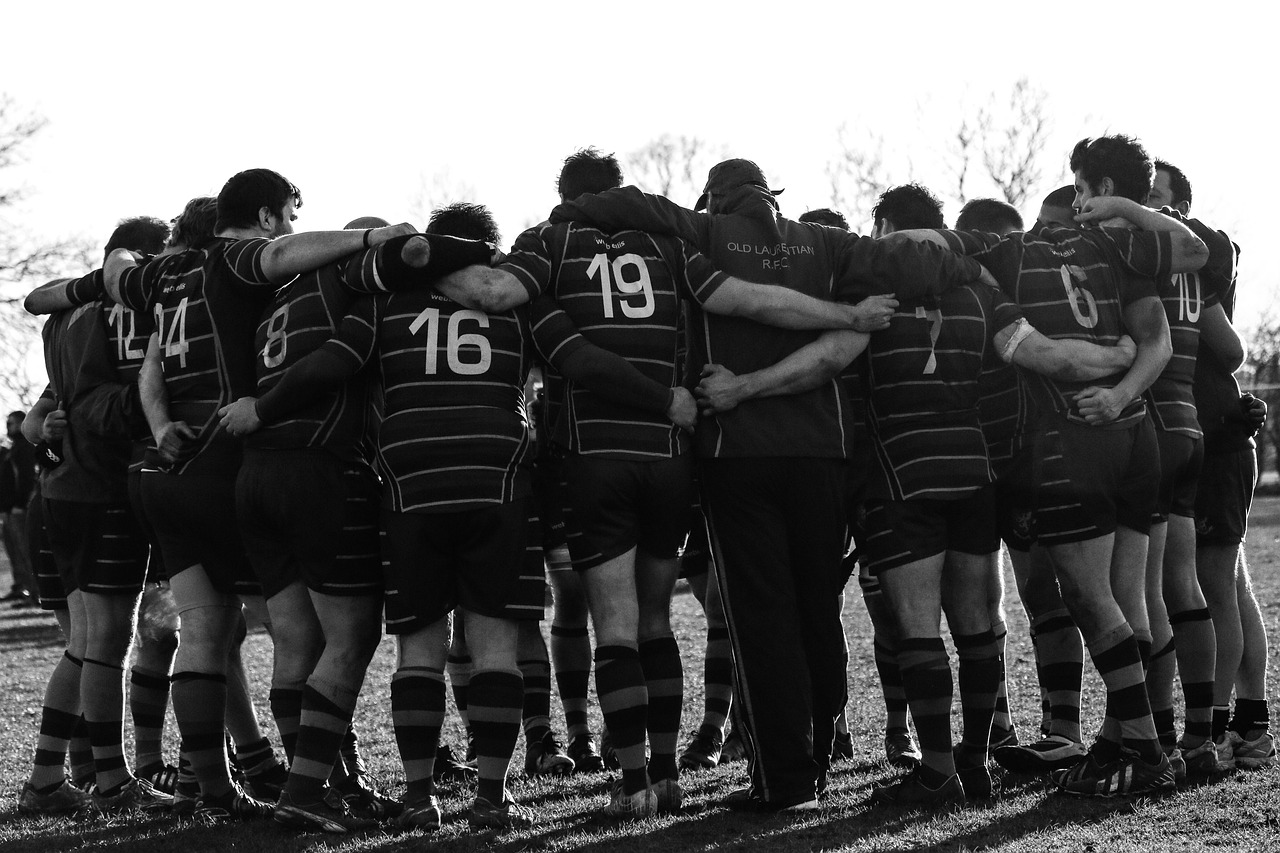
Team cohesion is closely linked to the levels of motivation exhibited by athletes. When team members share a common goal and are motivated to achieve success together, synergy naturally develops. This unity fosters enhanced communication, trust, and collaboration during practices and competitions. Studies demonstrate that motivated athletes often exhibit stronger team dynamics, leading to greater on-field performances. Coaches can capitalize on this connection by implementing team-building activities that reinforce togetherness. Examples include group training sessions, discussions about progress, and celebrating small victories collectively. Furthermore, acknowledging individual contributions fosters a sense of belonging, increasing athlete commitment to the team’s collective aims. Additionally, motivational strategies can be employed during challenging situations, such as losses or tough matches. When teams navigate setbacks together, their resilience is strengthened. This resilience is achieved through motivation, which illuminates the path forward, pushing athletes to recover and work even harder. Consistently applying these cohesion-building strategies encourages an environment that values commitment and perseverance, ultimately leading to improved team performance. Emphasizing the role of motivation in creating a cohesive unit is essential for sustainable success in team sports.
The Impact of Goal Setting
Setting goals is a motivation-enhancing strategy that can substantially influence athletes’ performance in team sports. Establishing clear, measurable goals allows athletes to focus on specific objectives that align with their overall aspirations. These can range from personal or skill-oriented goals, like improving fitness levels, to team-specific targets, such as winning a championship. The process of establishing goals creates motivation by transforming ambiguous desires into actionable plans. Setting SMART goals—Specific, Measurable, Achievable, Relevant, and Time-bound—ensures that objectives are practical and attainable. This method empowers athletes by making their aspirations tangible, encouraging them to dedicate time and energy toward their objectives. Furthermore, regular feedback on progress keeps the team motivated and accountable while providing opportunities for adjustment. This feedback loop nurtures a sense of progress, motivating athletes to persist in their efforts. The synergy generated by achieving short-term goals builds momentum, propelling the team towards long-term success. Moreover, goal setting reinforces the importance of motivation in achieving performance excellence, illustrating how committed athletes can harness their potential effectively.
The psychological aspect of motivation plays a critical role in enhancing performance in team sports. Athletes who possess a high level of motivation tend to have better mental resilience, allowing them to navigate challenges and setbacks effectively. This psychological resilience is essential during high-pressure situations, where optimal performance is paramount. Coaches can contribute to building this mental toughness by incorporating mental training techniques into practice routines. These techniques can include visualization, positive self-talk, and relaxation strategies. By developing a strong mental foundation, athletes can maintain focus, enhance concentration, and remain committed to their objectives, even amidst adversity. Furthermore, motivation serves as a catalyst for maintaining discipline in training regimens. Consistent practice and unwavering commitment are vital for honing skills necessary for competitive performance. A motivated athlete is more likely to consistently train, pushing through discomfort and fatigue. Coaches must foster an environment that champions psychological growth alongside physical development. Cultivating this balance fosters an atmosphere where athletes can thrive, making motivation an indispensable element in achieving peak performance on and off the field.
Creating a Supportive Environment
Creating a supportive environment is paramount in nurturing motivation among team athletes. Coaches, teammates, and sports organizations all play significant roles in influencing each athlete’s motivation and performance levels. One effective method for cultivating motivation is by fostering open communication among all team members. Establishing trust and support creates a safe space for athletes to express concerns, ideas, and aspirations. Coaches can encourage this through regular check-ins, mentorship opportunities, and emphasizing the importance of listening to athletes’ needs. Additionally, team success should be celebrated, and individual accomplishments acknowledged, reinforcing feelings of self-worth and motivation. This positive reinforcement fosters an environment rich in camaraderie and support, enabling athletes to thrive. Moreover, engaging athletes in decision-making processes related to training or strategy can empower them, enhancing their intrinsic motivation. They feel ownership of the team’s direction, fueling their commitment to achieving shared objectives. The impact of a supportive environment resonates significantly on the field, promoting higher levels of motivation, resilience, and ultimately, success in competitive scenarios. By prioritizing motivation through environmental factors, teams can elevate collective performance.
Recognizing the role of motivation in maintaining athlete well-being is equally crucial. The pressure to perform at high levels can often lead to burnout and stress among athletes, adversely affecting motivation. Coaches should be aware of the signs of burnout, which may include decreased performance, detachment, and emotional exhaustion. Implementing strategies that prioritize athletes’ mental health is vital for preserving motivation levels over time. Ensuring balanced training schedules, incorporating rest periods, and emphasizing play and enjoyment can mitigate burnout risks. Athletes must understand that their well-being comes first, instilling a strong intrinsic motivation where they value their physical and mental health. Encouraging work-life balance and promoting activities outside sports can also support their overall happiness and commitment. Furthermore, regularly reiterating the significance of self-care reinforces that performance should not compromise well-being. A motivated athlete who feels fulfilled holistically is more likely to be dedicated and engaged, yielding positive outcomes on the field. Therefore, emphasizing athlete well-being in conjunction with motivation introduces a comprehensive approach to achieving lasting success in sports.
Conclusion
In conclusion, motivation serves as a pivotal element in driving performance in team sports. By embracing various motivational strategies, teams can foster an environment conducive to enhanced skills and competitive success. Coaches must implement approaches that prioritize intrinsic motivation, goal setting, and mental resilience. Equally important is the establishment of a supportive atmosphere that cultivates camaraderie, emphasizing teamwork and solid communication. Maintaining athlete well-being should also be at the forefront of coaching methodologies, ensuring motivation and performance are sustainable, combining achievement with health. The synergy between motivation and teamwork cannot be overstated; when athletes are motivated and collectively dedicated, they elevate the entire team’s performance levels. Continued research into motivation’s intricacies will offer deeper insights into optimizing coaching practices and sports psychology. Ultimately, embracing the influence of motivation allows teams to embark on a journey towards greatness, reinforcing their potential. The ongoing commitment to developing motivation will yield a future filled with successes in team sports. By recognizing and harnessing motivational factors, coaches and athletes can collaborate to achieve excellence in performance, ensuring a lasting legacy in the world of sports.
Motivation is an essential factor in the realm of team sports, significantly influencing athletes’ performance. Understanding how motivation operates can enhance coaches’ and players’ ability to achieve excellence. Athletes are driven by various forms of motivation, which can be broadly categorized into intrinsic and extrinsic. Intrinsic motivation originates from within the athlete, fueled by a personal connection to the sport and the joy of participation. On the other hand, extrinsic motivation often comes from external rewards, such as trophies, recognition, and approval from coaches and teammates. These two motivational types play critical roles in establishing a productive training environment, fostering teamwork, and cultivating a positive sports culture. Research indicates that teams that cultivate a high level of intrinsic motivation tend to outperform those that rely solely on external incentives. Coaches should encourage athletes to set personal goals, immerse in the flow of the game, and reinforce their passion and love for the sport. Ultimately, understanding motivation’s influence is key for maximizing athletes’ potential and efficacy in team dynamics, leading to improved performance overall in competitive settings.