
Evaluating Powerlifting Equipment: What Coaches Should Know
When it comes to powerlifting, selecting the right equipment can significantly impact performance, safety, and overall training success. Coaches should prioritize understanding the different types of equipment essential to the sport. Key gear includes the lifting platform, weight plates, bars, squat racks, and benches, each serving a unique purpose. It is crucial that coaches stay informed about the standards and specifications of powerlifting equipment as they vary by federation. Investing in quality equipment can help prevent injuries during training sessions and competitions. Coaches must evaluate different brands and products to determine which equipment provides the best value and durability for long-term use. Furthermore, the education on how to properly utilize each piece of equipment is necessary to enhance performance effectively. Coaches should also engage in discussions with experienced lifters about their firsthand experiences with various equipment types and how it affects their training. This feedback can help coaches make informed decisions based on practical insights while developing tailored strategies for their athletes. By doing this, coaches can foster a positive learning environment that encourages growth and success in powerlifting. The right equipment plays an integral role in achieving peak performance.
Understanding the different types of powerlifting bars is essential for coaches aiming to optimize their athletes’ training. Commonly used bars include the Olympic bar, powerlifting bar, and specialty bars such as the squat or deadlift bar. Each has specific design features catering to various lifts and lifter preferences. The Olympic bar typically weighs 20 kg and is commonly used across various lifting disciplines, while a powerlifting bar is often stiffer and designed to handle more weight without bending significantly. Specialty bars, like cambered bars or safety squat bars, can assist lifters in overcoming specific weaknesses or imbalances. Coaches should analyze lifter technique and identify if any adjustments or variations in bar usage can produce better results. Additionally, understanding the grip width and knurling patterns on bars can enhance a lifter’s performance. Coaches should also consider the lifter’s physical attributes, including their stature and comfort level with the equipment. Providing clarity on these nuances ensures that athletes are using equipment that supports their biomechanical needs and promotes efficient lifting mechanics. Selecting the right bar can create a more personalized training experience and lead to improved outcomes in competitions.
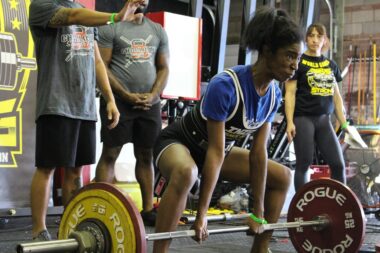
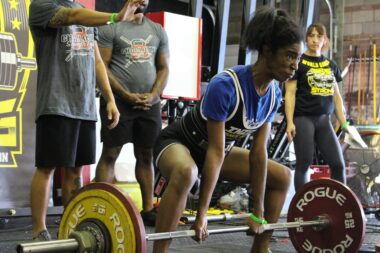
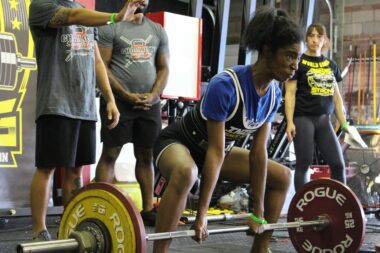
Weight plates play a pivotal role in a powerlifting coach’s equipment considerations, being integral to a lifter’s success. Coaches need to understand the various types of weight plates available, including standard plates, Olympic plates, and bumper plates. Olympic plates are typically used in most serious powerlifting settings, with a standard hole diameter to fit Olympic bars. Bumper plates have a rubber coating, making them ideal for floor lifts as they can be dropped without damaging flooring or equipment. Coaches should educate lifters on the importance of proper loading techniques and distributing weights evenly on the barbell to enhance stability and safety during lifts. Proper weight selection is crucial as well, allowing athletes to progressively overload while minimizing injury risk. Coaches should also encourage lifters to explore their lifting capacities, avoiding heavy weights until they master form and technique. It’s essential for coaches to watch for signs of fatigue or overexertion, adjusting weights accordingly. Acknowledging these aspects can help lifters foster strength while navigating their individual challenges. Weight plates should be treated as tools to build strength, understanding their role in the context of each lifter’s capabilities.
In addition to bars and weight plates, the squat rack is an indispensable piece of equipment for powerlifters. Coaches must consider the variety of squat racks available on the market, including full racks, half racks, and Smith machines. Each type serves different purposes and offers varying functionality. Full racks provide excellent stability and safety features, allowing for heavy squatting while accommodating spotters. Half racks offer a more compact alternative, suitable for gyms with limited space. Smith machines provide a controlled movement pattern, which can assist beginners or lifters recovering from injury. Coaches should understand the strengths of each type and recommend the appropriate setup based on an athlete’s experience and fitness level. It’s vital for athletes to practice proper squat techniques, emphasizing foot placement and bar positioning. Coaches should also guide athletes on adjusting rack heights to optimize their workout experiences effectively. The role of squat racks extends beyond just safety, as they promote confidence in executing lifts. By ensuring the right equipment is available, coaches can help facilitate a more structured approach to training and support athletes in their journey to peak performance.
The Importance of Benches in Powerlifting
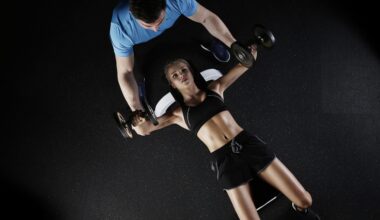
Benches are another critical piece of equipment that influences the quality of powerlifting training. Bench pressing is one of the three main lifts in powerlifting, making it necessary for coaches to evaluate bench options. Types of benches include flat benches, incline benches, and decline benches, each offering unique benefits for athlete training. A flat bench is essential for standard bench presses, while incline benches can assist in developing upper chest muscles through varied angles. Coaches need to assess the quality and sturdiness of the benches used, ensuring they can handle the weight loads and provide safety for the lifters. Proper positioning and setup are crucial; coaches should ensure that the bench height aligns with the lifter’s stature and arm length, which can aid in optimal performance. In addition, using padding of appropriate thickness can impact comfort and support during lifts. When providing guidance, coaches should focus on teaching proper form and technique to maximize results. Ultimately, investing in quality benches reflects a commitment to creating effective training environments that can lead athletes to success in both training and competition.
A critical aspect of powerlifting coaching centers around understanding safety equipment and its importance in safeguarding lifters. Safety gear includes items such as lifting belts, knee sleeves, wrist wraps, and shoes designed specifically for powerlifting. Each of these tools serves a unique purpose in enhancing performance while minimizing the risk of injury. For instance, lifting belts can stabilize the core and support vital muscle groups during heavy lifts, while knee sleeves provide warmth and joint support. Coaches should educate athletes on when and how to utilize these safety items effectively and appropriately. It’s essential that athletes learn to rely on their strength and form, using supportive equipment more as an adjunct rather than a crutch. Proper fitting and usage of safety gear are vital; coaches must assist athletes in measuring correctly and selecting equipment appropriate for their size and objectives. As weight loads increase, so does the need for support in maintaining form, and safety gear can help with this balance. Coaches must lead discussions around the best practices concerning safety gear while also focusing on the importance of developing essential strength and technique.
Lastly, coaches need to prioritize regular maintenance and safety checks on all powerlifting equipment. Equipment care is crucial when managing a training environment, as it ensures all gear remains in optimal condition for athlete use. Coaches should develop a routine for inspecting bars, weight plates, benches, and squat racks, addressing any wear or damage that might arise. Regular maintenance can significantly prolong the lifespan of the equipment and ensure that it performs at its best during training sessions and competitions. Additionally, coaches must communicate the importance of cleanliness to athletes, emphasizing practices such as wiping down bars after use and returning equipment promptly to its designated areas. A clean, well-maintained environment fosters safety and professionalism, encouraging athletes to take pride in their training space. Through these practices, coaches can cultivate a sense of responsibility among athletes, fostering teamwork and camaraderie. Ensuring the equipment is in excellent working order promotes a solid foundation for successful training experiences while recognizing that powerlifters require support from both coaches and equipment alike.