
Creating a Safe Environment for Balance Training After Stroke
Stroke recovery often requires significant adaptations. Creating a safe environment is vital for balance training to ensure individuals regain strength and coordination. Home adaptations may include removing potential hazards, such as rugs that could cause slips and falls. Ensuring adequate lighting throughout the space is crucial to help the individual navigate safely without falling. Additionally, having supportive furniture can assist in stabilizing the person while they practice balance. The use of nonslip mats can further enhance safety during exercises. Trainers or caregivers must be knowledgeable about proper techniques that maximize safety while encouraging mobility. Regular assessment of the environment is necessary to adapt to the changing needs of the stroke survivor. Engaging family members in the process can provide essential support and motivation. They can assist in monitoring the individual’s progress and safety. Always consider the individual’s needs when designing the training environment. Effective communication regarding safety and progress will empower the individual. Moreover, doing these assessments helps build a positive space for balance recovery and rehabilitation. This atmosphere fosters increased confidence and stability, leading toward successful stroke recovery.
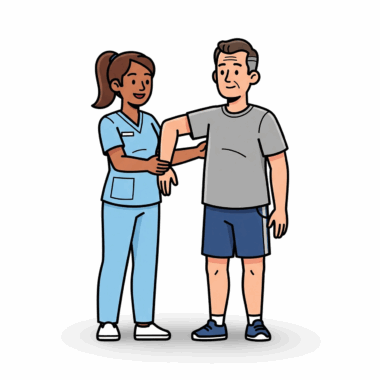
Involving rehabilitation professionals is crucial in balance and coordination training. These experts assess the specific needs of stroke survivors typically, offering personalized recommendations and safe practices. Physical therapists can develop tailored exercise programs focusing on rebuilding balance and strength incrementally. They teach techniques to mitigate the risk of falls while helping to improve functional mobility. Regular monitoring allows therapists to adjust strategies as the individual improves. They also provide immediate feedback and motivation essential for continuous progress. Caregivers should be educated to support these initiatives effectively, ensuring safety as the individual practices. Teaching caregivers to recognize signs of fatigue or instability can significantly enhance safety during training. Further, having a qualified therapist present during sessions fosters a supportive environment for both the caregiver and the stroke survivor. They act as a resource for troubleshooting any issues. Moreover, effective communication concerning progress is fundamental, offering encouragement to the individual practicing balance. Collaboration with healthcare providers facilitates a comprehensive approach to rehabilitation. Utilizing assistive devices can further assist individuals at various recovery stages. Such devices can include walkers or canes. Empowering individuals to engage in recovery significantly influences overall outcomes.
Creating a Structured Routine
Establishing a structured routine plays a pivotal role in balance training post-stroke. Predictability fosters a sense of security, aiding recovery. Each session should focus on specific targeted skills to effectively enhance balance and coordination. Engaging in daily routines that include a range of movements boosts both strength and confidence. Warm-up exercises should prepare the body for more challenging activities. Gradually increasing the intensity of exercises allows the individual to build resilience without feeling overwhelmed. It is equally essential to remind individuals to listen to their bodies during training. Functions such as stretching or practicing limited movements help maintain flexibility and minimize injury risk. Consistency is critical; practicing balance exercises at set times encourages positive habit formation. Furthermore, including variety in exercises keeps individuals engaged and prevents monotony. Mix activities like simple weight shifts, single-leg stands, and walking exercises to develop dynamic balance. The ultimate objective is to encourage independence while ensuring safety. Incorporating family support or peer groups can enhance motivation. In essence, a structured routine tailored to individual needs nurtures an environment conducive to success and aims for established recovery goals.
Adapting exercises to varying skill levels enhances effectiveness in balance training. Not all stroke survivors will have the same physical capabilities or recovery pace; thus, tailored exercise regimens are essential. Trainers should assess each individual’s strengths and limitations prior to selecting exercises. Incorporating simple movements, such as ankle flexes, can help to establish foundational balance and coordination. Progressively advancing to more challenging tasks, like standing on one leg or navigating obstacles, will test and improve stability over time. As skills develop, integrating movements that mimic daily activities can further foster confidence. Encouraging individuals to perform exercises in different environments challenges their adaptability. Uneven surfaces or varying heights can provide additional stimulus to improve stability and proprioception. Utilizing props, such as stability balls or balance boards, can enhance the challenge while providing tools for success. Regularly revisiting exercise plans allows for necessary modifications based on progression. Tracking performance can also offer psychological benefits by providing tangible evidence of improvement. Each small advancement encourages a sense of accomplishment, further fueling motivation for continued practice. Building upon strengths while addressing weaknesses is vital for successful stroke recovery.
Incorporating Community Resources
Integrating community resources can significantly enrich balance and coordination training. Numerous organizations offer programs specially designed for stroke survivors, providing access to classes focused on fitness and mobility. Such resources create opportunities for individuals to interact with peers facing similar challenges, promoting social engagement. Participating in group classes fosters support and camaraderie essential for emotional well-being during recovery. Additionally, local fitness centers or rehabilitation clinics often host adaptive sports events aimed at supporting mobility and coordination training. Engaging with these community resources can further enhance motivation levels, as shared experiences allow individuals to feel less isolated. It’s also beneficial for caregivers to get involved. They can engage in community discussions or attend workshops, gaining insights and techniques to apply at home during training sessions. This creates a collaborative approach to recovery, where individual advancements are celebrated within a supportive group environment. Furthermore, exploring virtual resources or training also adds flexibility in participation, allowing individuals to connect with wider communities. Adapting to available community resources fosters a valuable sense of belonging. Thus, it encourages a holistic approach to rehabilitation and promotes lasting, positive change.
Monitoring progress in balance training is essential for ensuring effective rehabilitation. Regular assessments provide insights into improvements, allowing for necessary adjustments to the training regimen. Establishing clear goals helps stroke survivors visualize their journey toward recovery. These goals can range from achieving specific movement patterns to overcoming certain challenges during exercises. Documenting the progress can instill a sense of accomplishment in individuals. This can help in recognizing small victories along the way. Utilizing tools such as balance scales or mobility assessments enables objective tracking of improvements. Trainers or therapists should review these assessments periodically to adapt goals as necessary. It’s also crucial to celebrate milestones, no matter how small, as this reinforces motivation. Recognition of progress fosters a growth mindset, reminding individuals of their capabilities. Engaging them in goal-setting allows for personalized training tailored to their aspirations. Family participation in progress discussions can further cement a support system that promotes improvement. Regular feedback creates a loop of motivation and accountability, keeping recovery focus aligned. The successful return to physical activities greatly impacts overall well-being, showcasing the importance of ongoing monitoring and adjusting rehabilitation strategies throughout recovery.
Emphasizing Safety During Training
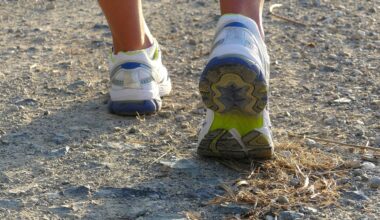
A critical component of balance training includes consistently emphasizing safety precautions. Stroke survivors might face new challenges, making it crucial to establish protocols that minimize risks. Always incorporating a spotter during practice can significantly help, providing immediate assistance if needed. Identifying a safe location for all exercises minimizes external hazards that could lead to falls. Wearing appropriate footwear can enhance stability, offering ample support and traction during exercises. Furthermore, utilizing belts or harnesses during specific balance tasks can bolster confidence. Proper positioning while performing exercises also reduces the risk of accidents. Engaging individuals in discussions about safety helps in actively involving them in their recovery process. Regularly reminding individuals to communicate their discomfort or fatigue allows trainers to make informed adjustments. To foster security, focus on low-impact, controlled movements during initial training phases, gradually increasing complexity as confidence builds. Reinforcing the importance of hydration and breaks is equally vital, ensuring that individuals can perform optimally. Ultimately, creating an environment where safety is prioritized nurtures a confident approach to balance training, empowering stroke survivors in their recovery journey.
Creating a safe environment for balance training after stroke is essential for promoting effective recovery and enhancing quality of life.