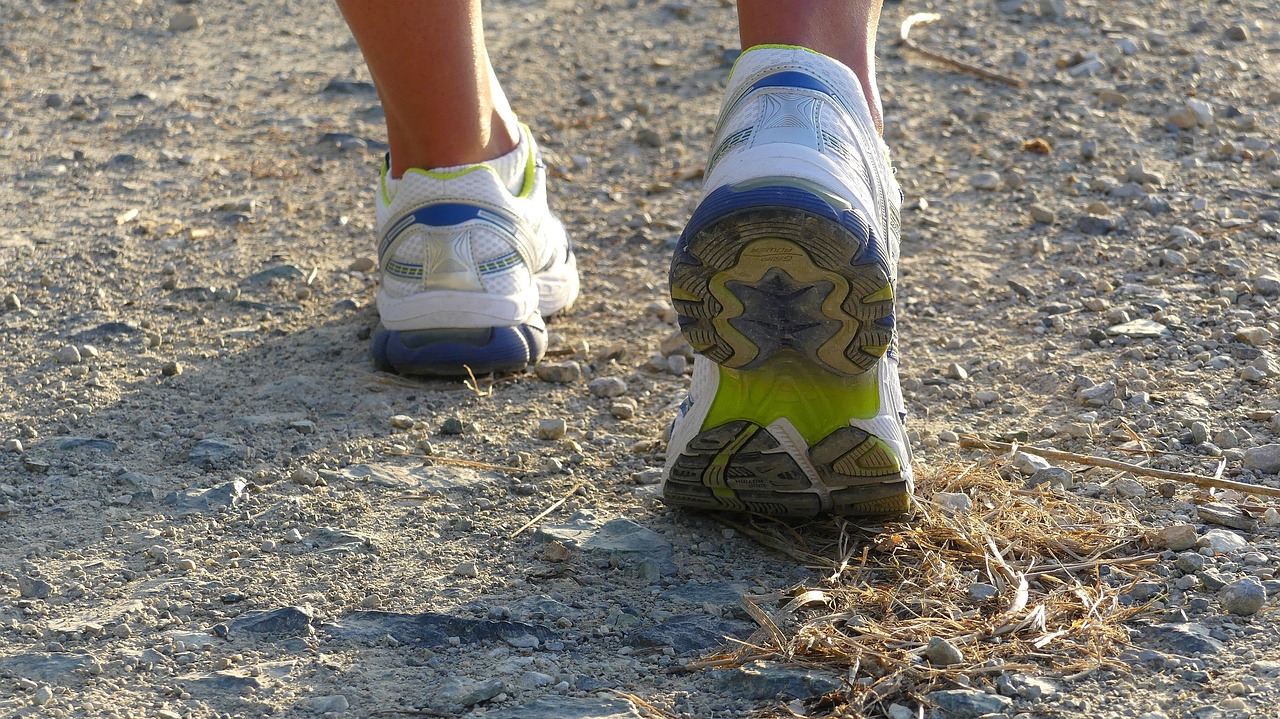

The Science Behind Shock-Absorbing Running Shoes
Running is a popular fitness activity enjoyed by millions worldwide. However, running can be tough on your joints if you are not wearing appropriate shoes. This is where shock-absorbing running shoes come into play. These specially designed shoes can dramatically reduce the impact on your body as you run. Their primary purpose is to absorb shock, cushioning your joints and muscles during each stride. Despite their benefits, not all shock-absorbing shoes are created equal. It’s vital to choose the right pair for your specific running style and physiology. Various materials and technologies are employed in these shoes to enhance performance and comfort. From air cushioning to gel layers, the options are many. You should consider variables like running terrain, frequency, and duration. The choice allows for optimally personalized gear. In addition to shock absorption, these shoes feature promising support and stability. This helps mitigate the risk of injury and enhances running efficiency. So, learning how to select the best pair based on knowledge can elevate your running experience and keep your loved hobby enjoyable.
Shock-absorbing running shoes have gained immense popularity among amateur and professional runners. Their design incorporates advanced foam materials, strategically placed for optimal performance. The shock absorption technology provides cushioning that responds to the runner’s foot strike. This, in turn, decreases the force felt on joints like knees and ankles. Many innovative shoe brands continuously research to improve shock absorption. Customizable soles have emerged for greater comfort preferences. Furthermore, these shoes address specific runner needs—overpronators, those with flat feet, or arch support. When shopping for these shoes, consider the following key features: traction for different terrains, breathability for temperature control, and flexibility for dynamic movement. Each component contributes to a holistic running experience. Most brands offer specialized fitting options to evaluate your running needs better. Online or in-store consultations can clarify which features are necessary for you. Additionally, reviewing user feedback can guide your selection. Ensuring proper fit can significantly affect comfort levels during runs. Lastly, remember that investing in quality shock-absorbing shoes can reduce long-term injury risks. Ultimately, the right pair will enhance your performance and make every run more enjoyable.
Expert Insights on Shock Absorption Technologies
Research supports the physiological advantages of shock-absorbing footwear. Numerous studies indicate a strong link between proper cushioning and injury prevention among runners. Experts emphasize that shoes must accommodate individual running styles and biomechanics. Understanding your gait and foot mechanics can guide your shoe selection process. Shock-absorbing shoes typically feature a layered construction. The upper layer often uses lightweight mesh for breathability. Below, a midsole made of highly effective foam absorbs shock upon impact. Finally, a durable rubber outsole provides traction for different surfaces. It’s recommended to test shoes by walking or jogging in-store. Those interested should also keep in mind foot dimensions change over time; hence, a fitting should be updated every year or two. Additionally, various technological advancements continue to evolve in the industry. Brands compete to implement new cushioning materials that increase comfort without sacrificing responsiveness. Ensuring the correct balance between cushioning and stability can maximize running efficiency. Recommendations from podiatrists or physiotherapists can enhance the shoe selection process. Their training renders them well-versed in biomechanics, aiding in choosing a suitable running shoe based on your specific needs.
Running on hard surfaces without adequate footwear can lead to injuries ranging from shin splints to stress fractures. Therefore, selecting shock-absorbing shoes becomes even more crucial. It’s important to identify how your typical running route aligns with your footwear choice. If you frequently run on asphalt, investing in more cushioning becomes beneficial. However, if trail running, opt for shoes with significant traction alongside shock absorption. Another essential aspect is understanding the shoe’s life span. Most running shoes should be replaced every 300 to 500 miles depending on the terrain. A simple way to keep track is maintaining a log of your mileage per pair. Having multiple pairs of shoes can also be useful. It allows each shoe to rest and recover fully between runs, prolonging their life. Owners should pay attention to wear patterns; uneven wear may indicate that the shoes are not offering the support you need. Relying on the cushioning alone cannot guard against injuries; good form and strength training are equally important. Focusing on all aspects can yield better results over time in terms of endurance and injury prevention while enjoying your running journey.
Choosing the Right Fit
Finding the perfect fit is crucial when selecting shock-absorbing running shoes. Considerations include not just size but also width, arch height, and toe box shape. Everyone has distinct foot profiles, which can directly affect running comfort. It is advisable to try shoes towards the end of the day when feet may be slightly swollen for the best fit. Ensure that there’s approximately a thumb’s width of space between your longest toe and the shoe’s front. This space allows for natural foot movement, critical during a run. Furthermore, evaluate the fit of the heel counter; it should secure the heel without causing discomfort. Your running style should also determine if you need extra arch support or cushioning. Stores with knowledgeable staff can assist you with evaluating your running gait. Remember, breaking in new shoes should not be uncomfortable or painful. A gradual transition process can help minimize discomfort while becoming accustomed to new cushioning technologies. Pay close attention to how your foot interacts with the shoe during various running forms. This interaction can pinpoint if a particular model suits both your comfort and performance needs.
Many runners step into stores filled with options, yet they often overlook the importance of periodic assessment of their footwear. Shoe technology evolves continuously; advancements in materials can significantly enhance performance. Initially, it is essential to monitor any discomfort or changes in running efficiency as shoes age. If you experience persistent pain, it’s a strong sign that your shoes may no longer support you properly. Additionally, post-run surveys documenting any discomfort can lead to smarter shoe purchases in the future. Rely on customer reviews while assessing various brands and models to find the right option for you. The complex interplay of elements such as sole flexibility, cushioning, and breathability can be pivotal in long-term satisfaction. Furthermore, embrace innovations like energy-return systems and responsive cushioning offered by some brands. Generally, thoughtful shoe choices can result in increased motivation and better performance levels. Don’t shy away from seeking advice from the running community online or at local running clubs. Knowledge shared between experienced runners can lead to insights on how specific shoes perform across different running styles. Ultimately, remember that the right shock-absorbing shoes are a crucial component of an effective running routine.
Conclusion: The Value of Shock-Absorbing Shoes
Choosing shock-absorbing running shoes is a significant investment that pays dividends in comfort and safety. Prioritizing the right footwear can drastically reduce the potential for running-related injuries. As you strive to improve your running or continue your journey, reflect on how shock absorption enhances each step. Engaging in an ongoing dialogue about sneaker technology keeps runners informed and empowered. Each stride should feel supported and natural, allowing for the best performance possible. Frequent assessments and personal experiences can lead to discovering innovative shoe features which may enhance your running style. Always seek to match shoe technology with your specific running goals and preferences. Lastly, your health and well-being are paramount; taking time to invest in quality gear can enhance your entire fitness routine. Consider that enjoying running comes from finding a pace and comfort level that suits you, making a choice that feels just right. Engage with professionals to aid in navigating complex decisions about footwear. In the end, with the right shock-absorbing running shoes, you can enjoy running aware that your feet, legs, and body receive the support they deserve.
This article highlights the incredible benefits of shock-absorbing running shoes effectively.