
Natural vs. Sports Drinks: What Triathletes Should Choose
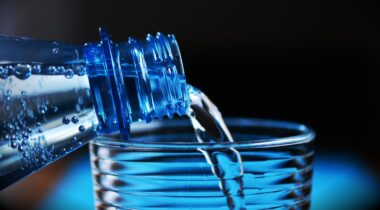
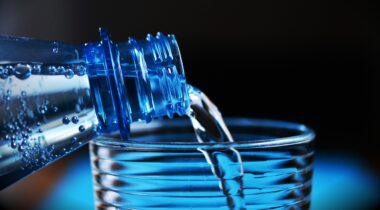
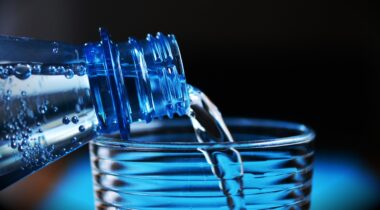
In triathlon training, hydration is as crucial as nutrition. Selecting between natural drinks and sports drinks involves understanding their distinct benefits. Natural drinks, like coconut water or diluted fruit juices, provide essential electrolytes without artificial additives. Many triathletes favor them for their clean ingredient lists. However, these beverages often lack the necessary carbohydrates to replenish energy levels during intense training. On the opposite side, sports drinks are specifically engineered to support athletes during rigorous physical exertion. They contain carbohydrates, electrolytes, and fluids designed to optimize hydration and energy. This can be critical for long-distance events. A common misconception is that all sports drinks are equivalent; however, this isn’t true. Ingredients can vary significantly between brands, making it important to read labels. Additionally, the type of sport may also dictate the most appropriate choice. For example, a short sprint might not require the complex hydration provided by a sports drink, whereas long training sessions certainly will. Understanding these variables is key to making the best choice for personal training needs.
Understanding Sports Drinks Composition
Sports drinks generally consist of water, carbohydrates, and electrolytes. The carbohydrates are mainly sugars, which give the body a quick energy source during exercises, while electrolytes help maintain proper fluid balance and muscle function. Key electrolytes include sodium, potassium, and magnesium. The concentration of these components determines whether a drink is effective during training. Typically, a sports drink’s carbohydrate concentration is between 6% to 8%. This is optimal for most endurance activities, offering energy without causing gastrointestinal distress. Some drinks even contain additional ingredients like vitamins, amino acids, or caffeine for extra benefits. On the other hand, natural drinks often contain fewer carbohydrates, focusing instead on hydration and nutrients from fruits. Coconut water is particularly popular for its high potassium content, an essential electrolyte frequently lost in sweat. Triathletes should experiment with both types of drinks at various points in their training to determine which aligns best with their nutritional strategies and hydration needs. Personalized hydration strategies boost performance when they align with individual body responses and training intensities.
Another essential factor to consider when choosing between natural and sports drinks is the personal metabolic response to these beverages. Every athlete’s body responds differently to hydration strategies based on numerous factors like diet, training intensity, and duration. Some may find that carbohydrates from sports drinks provide the necessary energy to sustain performance during long sessions. Others may feel gastrointestinal discomfort from these drinks, rendering them less effective. In contrast, natural beverages can be gentler on the stomach. They may provide sufficient hydration and essential nutrients without the risk of digestive issues. It’s crucial for triathletes to tailor their hydration practices accordingly. A practical approach involves trial and error during training periods to assess how different drinks affect both energy levels and recovery. Keeping a hydration diary can help triathletes track their intake and performance to identify patterns. Moreover, the availability of a variety of flavors and formulations in both natural and sports drinks allows for customization. This personalization can lead to a more enjoyable and effective training experience, ultimately enhancing performance.
Environmental Considerations
As triathletes become more aware of environmental impacts, the choice between natural and sports drinks also encompasses sustainability. Many natural drinks come in eco-friendly packaging, emphasizing organic and responsibly sourced ingredients. These drinks can often be produced with a smaller carbon footprint compared to processed sports drinks. Equally, some sports drink companies are beginning to adopt sustainable practices, offering recyclable packaging and sourcing ingredients ethically. However, the overall commitment to sustainability remains a critical concern in the athletic community. Triathletes passionate about ecological issues might opt for brands with responsible practices or choose natural drinks produced with minimal biodiversity harm. An athlete’s personal choice can influence the market direction, pushing brands toward more sustainable options. Moreover, hydration stations during training events are increasingly offering both types of drinks, allowing for responsible consumption choices. By considering the environmental impact, athletes can showcase their commitment to ecological integrity while still meeting their hydration needs. Sustainable practices not only support the environment but also promote public health and wellness as part of the overall triathlon ethos.
Ultimately, the decision between natural and sports drinks boils down to individual preferences and specific training needs. No single drink fits all; therefore, an athlete must factor in their training schedule, goals, and body’s specific reactions. Hydration strategies may need to shift between training phases, from high-intensity sessions to recovery days. Some triathletes may find natural drinks more beneficial on recovery days, while relying on sports drinks during long and intense training sessions. It’s all about balancing hydration, caloric needs, and digestive comfort. Another important aspect is to consider the timing of hydration. Consuming a sports drink just before the workout could lead to gastrointestinal distress, while proper planning could make it beneficial. Hydration is a science, and what works for one athlete may not suit another. Regularly adjusting strategies and staying attuned to body signals will help ensure optimal hydration throughout the training cycle. Keeping informed about ingredients and hydration trends is essential as products become increasingly tailored to athletes’ unique needs.
Final Thoughts
In conclusion, both natural and sports drinks have their places in a triathlete’s hydration plan. Experimentation and understanding personal requirements are key to optimal hydration. Training is not one-size-fits-all, and it’s essential to consider personal goals, impacting factors, and overall nutrition plans. Researching various brands and options can help athletes make informative choices that best meet their hydration needs. Lastly, consider the nuances of trained responses over time; as athletes become more experienced, their preferences and needs may evolve. Regular reviews of hydration strategies during training can only serve to improve performance and recovery. Thus, whether it’s through traditional natural drinks or modern sports drinks, triathletes are ultimately empowered to choose what works best for them. Balancing hydration methods effectively reduces fatigue, enhances performance, and promotes overall athletic success. The journey of choosing the right hydration strategy can be rewarding, providing insight into personal health. Ultimately, a well-developed hydration strategy translates directly into improved performance, allowing athletes to excel in their discipline.
As the world of endurance sports continues to grow, the focus on hydration remains at the forefront of discussions regarding athlete performance and health. Triathletes are encouraged to remain educated on evolving practices surrounding hydration. New products enter the market rapidly, offering an array of choices that cater to different needs and preferences. Hydration will always play a critical role in the training regimen for triathletes, underpinning the importance of testing different options and ultimately selecting the right combination for each individual. Adopting a flexible approach will allow for experimentation with different products, from natural options to specialized sports drinks. Additionally, sharing insights within the triathlon community can lead to discovering new and effective hydration strategies. This knowledge-sharing fosters an environment where all athletes can improve their performance and, ultimately, their enjoyment of the sport. This exploration can also lead to better awareness of personal health and wellness, aligning with individual long-term athletic goals. Therefore, as hydration remains a fundamental pillar in triathlon training, each athlete should adapt and discover what suits them best for optimal results.
Finally, it’s essential to consult with nutritionists or sports dieticians who specialize in hydration needs for athletes. Customized hydration plans can play a significant role in reaching peak performance. They can provide detailed insights on the amount and type of fluids and electrolytes required based on the athlete’s training intensity and duration. This could save time and effort in determining the right products during self-exploration. Understanding the importance of electrolytes and such factors as weather conditions will also be crucial in creating individualized plans. Maintaining balanced electrolyte levels ensures optimal muscle function and helps prevent issues related to dehydration. Proper hydration is more than just water; it’s an intricate process that contributes directly to performance. Athletes should prioritize learning from professionals who can help navigate the evolving landscape of hydration products. As triathlon training advances, so will the innovations in hydration strategies. Therefore, remaining informed and proactive regarding hydration will empower athletes to make wise decisions, enhancing their overall well-being and competitive performance. In this way, triathletes can optimize their training and execute healthy habits to support their sports journey.