
Stretching and Flexibility: Yoga Benefits for Senior Joints
As we age, maintaining flexibility becomes increasingly important for overall joint health. Yoga offers an opportunity to enhance flexibility through various postures, making it an excellent practice for seniors. Stretching exercises help to prevent stiffness, increase range of motion, and reduce the risk of injury. The gentle movements of yoga promote blood circulation, which helps lubricate joints and delivers essential nutrients for their maintenance. Additionally, many yoga poses specifically target common areas of tightness, such as the hips, lower back, and shoulders, which tend to become stiffer with age. By incorporating yoga into their routine, seniors can experience improved mobility and decreased pain. Furthermore, yoga can enhance balance and coordination, further contributing to joint stability and mobility. Consistent practice allows seniors to establish stronger muscles that support the joints, which is vital in preventing falls. Overall, the practice of yoga enhances not only physical health but also promotes mental well-being through relaxation and mindfulness. In a world where sedentary lifestyles prevail, yoga remains a suitable and effective way to keep seniors engaged and agile.
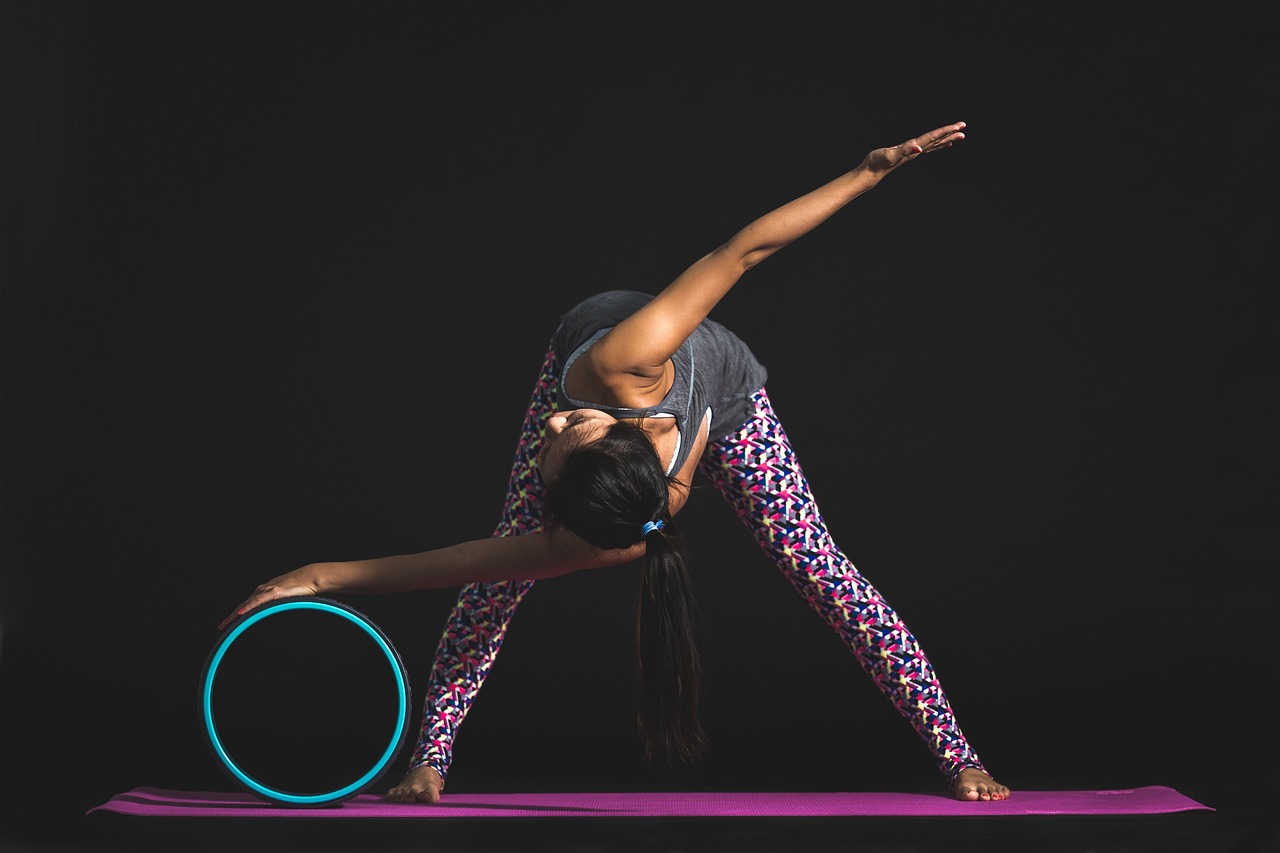
Yoga for seniors serves multiple facets of health, particularly in enhancing flexibility through targeted movements. Pose variations are designed to cater specifically to seniors, honoring their unique capabilities. Props such as blocks, straps, and chairs may also be applied within sessions to facilitate ease in transitioning between poses. These adjustments ensure that seniors can participate fully in practice, resulting in increased confidence and enjoyment during yoga. Moreover, different types of yoga can suit varying fitness levels; gentle classes such as Yin Yoga or Restorative Yoga emphasize slow movement and deep breathing. This aligns perfectly with the needs of seniors seeking to build flexibility and relieve stress. Active engagement in yoga improves posture and alleviates common aches, which are prevalent in the aging population. As seniors explore yoga, they may also notice an enhancement in mental clarity and focus due to the meditative components of the practice. Furthermore, the sense of community formed in yoga classes can contribute positively to emotional and social health. Thus, yoga not only addresses the physical attributes of flexibility but also fosters a holistic approach to healthy aging.
Another significant advantage of yoga for seniors lies in its capacity to enhance joint health through diverse postures and gentle stretching. As practitioners engage in various asanas, they promote the release of synovial fluid around the joints, contributing to their lubrication and overall functionality. This process helps caregivers to ensure seniors remain active and mobile without discomfort. Importantly, a routine that involves yoga can lead to improved spinal alignment, which is crucial for sustaining joint health as one ages. Additionally, focusing on breath control during yoga practice calms the nervous system and alleviates muscle tension. Such effects can be especially beneficial for seniors who may experience heightened anxiety or stress levels. First-time practitioners are often advised to seek classes led by instructors experienced in senior yoga. This engagement ensures necessary precautions are taken to avoid overexertion. By embarking on this mindful journey, seniors can not only elongate their muscles but also cultivate an internal awareness of their body. Consequently, implementing yoga into their daily routine empowers seniors to take charge of their physical health, affording them the independence they greatly value.
Building Community Through Yoga
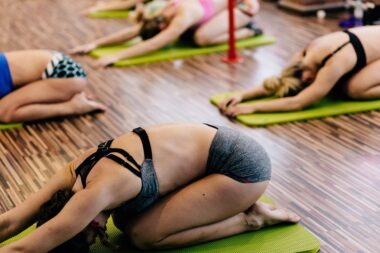
Participating in yoga classes introduces seniors to a supportive community, enhancing the social aspect of their wellness journey. Many find immense companionship within these classes as they connect with others sharing similar health objectives. Regular interaction with fellow practitioners can create a sense of belonging, significantly improving motivation and enjoyment levels during practice. The friendships nurtured within these environments often translate into additional social interactions outside of yoga class, cultivating richer and more fulfilling lives. These connections foster peer support, which is essential for encouraging adherence to healthy habits, including participating in regular physical activity. Moreover, group yoga settings often encourage the group to share their experiences and challenges, allowing valuable exchanges of survival strategies and healing tips. This sharing can affirm individuality while promoting collective growth. In a time where maintaining social relationships can feel challenging, yoga stands out as a space where vulnerability meets empowerment. Furthermore, encouraging one another through a shared commitment to yoga can enhance overall well-being, creating a ripple effect that has the potential to transcend the yoga mat and touch numerous aspects of one’s life. Engaging with a community also reinforces accountability and progress.
Yoga also contributes to the emotional well-being of seniors, reducing anxiety and enhancing mood through mindful exercises. As practitioners engage in deep breathing and other relaxation techniques, they can experience a decrease in stress-related symptoms. This is particularly significant for seniors, as loneliness or isolation can impact mental health. The meditative aspect of yoga fosters self-acceptance and awareness, helping seniors combat feelings of sadness. By focusing on the present moment through various yoga practices, individuals can cultivate resilience, which is crucial as they navigate the challenges associated with aging. Several studies suggest that participating in yoga can reduce symptoms of depression and anxiety, leading to an improved quality of life. Additionally, the simplicity and adaptiveness of yoga create a low-pressure environment for personal growth. Each session caters to individual capabilities, allowing seniors to progress at their own pace without comparisons to others. By honoring their unique journey in yoga, seniors can revel in their accomplishments, however small, which can lead to greater satisfaction. Overall, this emotional connection built through yoga practices empowers seniors to accept aging positively and gracefully.
Safely transitioning into yoga practice requires awareness and understanding of the body’s needs, which is integral for seniors. It’s recommended that seniors consult healthcare providers before initiating any exercise regimen, including yoga. This precaution helps identify any specific limitations or health conditions that need consideration. Once cleared for practice, seniors can explore various yoga studios or classes that offer adapted programs for their age group. Starting with a beginner’s class provides a welcoming environment and makes it easier to learn proper techniques. Additionally, discussing individual concerns with instructors ensures personalized modifications can be accommodated throughout the journey. Addressing potential fear of injury is essential in building confidence, allowing seniors to explore their capabilities in a safe setting. Building trust with an instructor also fosters a more individualized approach to practicing yoga, benefitting every participant. The reinforcement of gentle stretching, proper alignment, and breath awareness enhances both physical and mental health. As seniors progress in their yoga practice, they may witness their gradual transformation—an increase in strength and flexibility, which ultimately leads to better mobility and enjoyment of daily activities. This practice is a lasting gift to seniors.
In conclusion, yoga serves as a powerful tool for seniors aiming to enhance their flexibility and joint health. The combination of gentle stretches and mindful breathing fosters not just physical wellness but also emotional stability. By engaging in regular yoga practice, seniors can combat the common challenges of aging while benefiting from a supportive community. The integration of yoga into their lives equips seniors with vital skills to maintain mobility and independence. Moreover, the adaptiveness and accessibility of yoga make it an optimal choice for senior practitioners. With various classes available that focus specifically on the needs of older adults, there’s no better time to begin this transformative practice. Yoga cultivates resilience, acceptance, and strength, enabling seniors to embrace their aging journey more joyfully. Additionally, healthy habits developed through yoga can promote a fuller, more enriching experience during these golden years. Ultimately, the commitment to yoga amplifies the enjoyment and satisfaction in life, underscoring the essential role of holistic wellness in senior living. By prioritizing their physical and emotional health through yoga, seniors not only enhance their quality of life but also inspire others to pursue wellness.