
Ergonomic Strategies to Improve Sleep Habits for Athletes
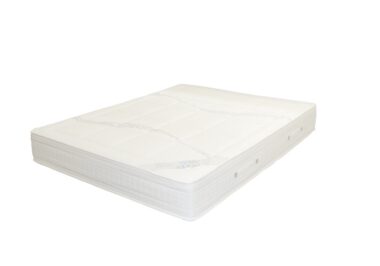
For athletes, proper sleep is vital as it significantly impacts performance and recovery. However, many overlook the importance of posture during sleep. Good sleep is not simply about quantity; it also concerns quality. Sleep quality can be improved with ergonomic strategies focusing on optimal sleeping positions. Athletes can enhance their rest by ensuring their body maintains alignment and that the mattress supports them correctly. An ideal mattress offers perfect support for the back, neck, and joints. Consider using a firm type of mattress, often recommended for those involved in physical activities. A well-supported spine is crucial to avoiding discomfort or pain. Additionally, the choice of pillow also plays a significant role in sleep posture. Pillows should conform well to your head and neck, keeping the spine aligned to maintain comfort. Consider adjustable pillows that can be modified according to your preference. Adjusting the pillow height may alleviate strain effectively during sleep. Furthermore, it is wise to monitor the surrounding sleep environment to optimize conditions for better health and performance. A dark and quiet room can greatly enhance sleep quality, so athletes should prioritize a restful atmosphere.
The Importance of Sleep Position
Choosing the right sleep position is critical for every athlete. Various positions affect the spine, neck, and overall health. Sleeping on the back is generally regarded as the healthiest position as it keeps the spine aligned. This position reduces excess pressure on the body, aiding in injury prevention during sports activities. However, back sleeping may not be suitable for everyone, especially those with certain medical conditions. Side sleeping can provide comfort and may reduce snoring. When sleeping on the side, it’s important to use a suitable pillow to maintain alignment. Side sleepers may benefit from placing a pillow between their knees to support the hips and lower back. Meanwhile, stomach sleeping is typically the least recommended position, as it can lead to neck and back pain. Athletes who find this pose comfortable should consider alternative methods for better alignment, such as sleeping on their side with a supportive pillow. Regardless of the position chosen, maintaining an ergonomic posture during sleep is essential. The key to recovery in athletes lies in repairing muscles and tissues effectively. Therefore, understanding these positions will help maximize sleep benefits.
Lighting plays a significant role in sleep quality. Managing exposure to blue light from devices in the evening is crucial for athletes. Blue light can interfere with the body’s natural sleep-wake cycle, making it harder to fall asleep. Athletes should aim to reduce screen time at least an hour before bedtime. Instead, engage in activities promoting relaxation, such as reading, stretching, or meditating. Creating a calming bedtime routine can significantly improve sleep patterns. Furthermore, it is advisable to create a sleep schedule that ensures consistent sleep and wake times. This persistence is vital in regulating the body’s internal clock. Establishing a regular routine helps the body recognize when it is time to rest. Additionally, athletes should stay mindful of their caffeine intake, limiting consumption in late afternoons or evenings. Caffeine can disrupt sleep, making it harder to achieve restorative rest. An understanding of personal tolerance for stimulants can help tailor consumption. Incorporating herbal tea before sleep may be a relaxing alternative. Athletes must consider these factors to develop an environment conducive to sleep, which enhances recovery and performance.
Using Ergonomic Accessories
Investing in ergonomic accessories can significantly benefit sleep patterns for athletes. Accessories such as memory foam mattresses and pillows cater to individual sleeping preferences, providing tailored support. Using adjustable beds may also be an excellent choice, as they offer flexibility in positioning throughout the night. An adjustable model allows athletes to find the ideal angle, reducing pressure on the back and neck while sleeping. Additionally, breathable bed linens can help regulate body temperature during the night. Keeping the body cool is essential for a good night’s sleep. Materials such as cotton and bamboo can wick away moisture, promoting optimal comfort. Weighted blankets have also gained popularity; they provide calming pressure that may enhance relaxation. They may assist with anxiety and restlessness, creating a more peaceful sleeping environment. Research shows these blankets can improve sleep quality considerably. Furthermore, incorporating sound machines can mask disruptive noises, providing a serene environment for athletes. The consistent use of white noise can enhance sleep depth. Addressing all these elements supports improved posture and higher sleep quality, leading to overall better performance.
Aside from physical factors, mental preparation also matters profoundly for athletes’ sleep quality. Developing good mental routines helps signal the brain that it is time to wind down. Techniques such as guided imagery or mindfulness practices can effectively ease racing thoughts. Stress is a common concern for athletes, especially before big competitions. Engaging in progressive relaxation exercises can allow the body to release tension accumulated throughout the day. Journaling may also be beneficial; recording thoughts helps clear the mind. Athletes may benefit from writing down worries or setting goals for the next day. This practice can diminish the mental load, making it easier to relax. Additionally, engaging in breathing exercises can practice calming tactics, signaling the body to prepare for sleep. Athletes can try techniques such as the 4-7-8 method to foster relaxation. Improving sleep quality leads to better energy management throughout training sessions. Over time, following mental strategies can help enhance sleep consistency. Combined with the physical strategies discussed earlier, athletes can establish a solid foundation that places sleep as a priority for recovery and optimal performance.
Evaluating Sleep Quality
To determine the effectiveness of ergonomic changes, athletes must evaluate their sleep quality consistently. Keeping track of sleep patterns in a journal or an app can identify trends. This method allows athletes to analyze what strategies work best and those that may require further adjustment. Monitoring how they feel upon waking can also provide insight into the overall sleep quality. Furthermore, athletes should pay attention to their performance during training and competitions. Sudden decreases in energy or focus may signal that something is awry with sleep habits. It’s crucial to address these signs early to reduce long-term effects on performance. Ensuring quality recovery can lead to adjustments that may result in a less than optimal recovery period. Therefore, considering multiple factors that contribute to sleep hygiene is key. Athletes should continue evaluating their environment, sleep position, and accessories. Feedback from physical sensations can help adjust these factors accordingly. Additionally, athletes might consider collaborating with sleep specialists if sleep disturbances persist. Experts can provide personalized strategies to improve sleep, contributing to higher performance metrics.
Overall, prioritizing ergonomic sleep strategies can significantly influence an athlete’s performance. Understanding the relationship between posture, sleep quality, and athletic performance is crucial for long-term success. Committing to better sleep habits can create the foundation for improved physical activity. Ergonomic strategies incorporated into daily routines benefit recovery and enhance athletic potential. By focusing on sleep ergonomics, athletes are not only prioritizing rest but optimizing their efforts in training. Identifying slept patterns, choosing suitable positions, and understanding mental health create a comprehensive approach to overall wellness. Establishing appropriate environments and habits ensures that sleep positively affects performance. As sleep patterns improve, athletes will notice notable changes in their focus, energy levels, and recovery times. Consistency is key to achieving desired outcomes, aligning rest with training routines. Thus, athletes should invest the time to explore these ergonomic strategies. The benefits of improved sleep hygiene will have long-lasting impacts throughout their athletic careers. With dedication and motivation, any athlete can create a well-rounded approach that emphasizes the importance of rest and recovery in achieving peak performance.