
The Future of Bike Rentals: Subscription-based Models and Beyond
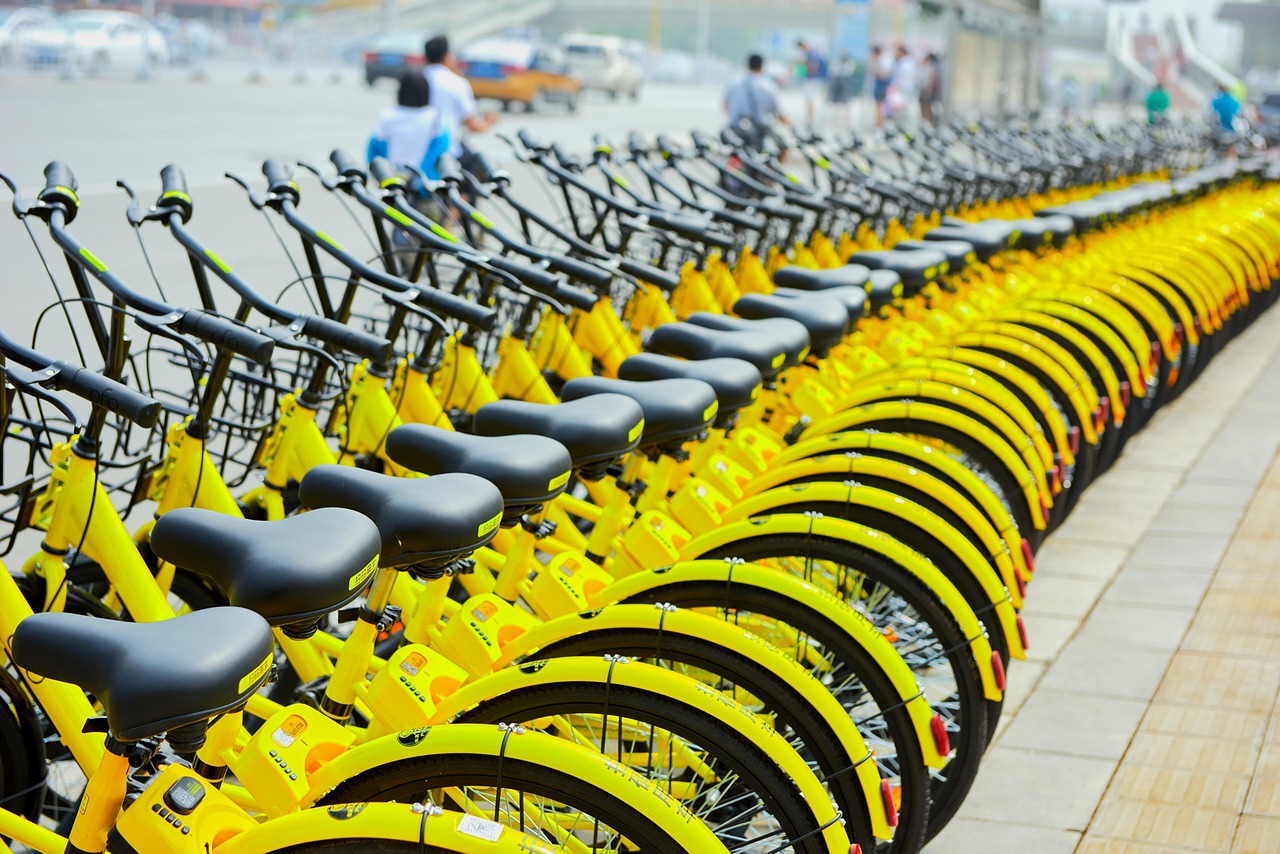
The bike rental industry has evolved significantly, with subscription-based models rapidly gaining traction. These models offer consumers flexibility and convenience, allowing them to enjoy cycling without the burden of ownership. Subscribers can access a range of bike options, catering to varying preferences, from city commuting to mountain biking. Additionally, these services often include maintenance and theft protection, providing peace of mind. The convenience of app-based rentals further enhances user experience, enabling seamless transactions and location tracking. Users can rent a bike for a short trip or commit to a longer-term subscription, making cycling more accessible than ever. The economic model for subscription services typically involves a monthly fee, which can be more cost-effective than traditional rentals. Consumers appreciate the hassle-free nature of this approach, as it eliminates the need for repairs or storage. With cities investing in cycling infrastructure, the demand for bike rentals is expected to soar. As environmental consciousness grows, more individuals are likely to embrace cycling as a sustainable mode of transport. This shift could lead to a future where bike subscriptions dominate urban mobility landscapes.
As the demand for bike renting services continues to rise, it is essential to consider the impact of technology. Advanced tracking systems and smart bikes are transforming the way people experience bike rentals. Enhanced GPS capabilities facilitate efficient bike tracking, allowing users to locate available bikes with ease. Moreover, mobile applications have become central to the rental experience, providing users with real-time information about bike availability, rental costs, and nearby stations. This technological integration streamlines the user journey, making it both efficient and enjoyable. Furthermore, innovations such as electric bikes are increasingly popular among riders looking for an effortless cycling experience. Electric bikes can tackle longer distances and challenging terrains with minimal effort, appealing to a broader audience. With accessible charging stations becoming a priority in urban planning, the integration of electric bikes positions bike-sharing services as viable alternatives to traditional transport. Ultimately, technology is paving the way for a more user-friendly and flexible rental system. As bike-sharing programs integrate smarter technologies, the possibilities for enhancing user experience will only expand, solidifying cycling as a favored transportation choice in cities.
Influence of Sustainability on Bike Rentals
Sustainability is a fundamental driver behind the rise of bike sharing and rental models. As urban populations grow, cities are grappling with traffic congestion and pollution. This context demands eco-friendly solutions that can alleviate these pressures. Cycling promotes zero-emission transport, making it an attractive alternative to cars. By utilizing bike rentals, consumers can contribute to reducing their carbon footprint while enjoying a healthier lifestyle. Moreover, bike-sharing models support community engagement by encouraging people to choose biking over driving. Cities will likely incentivize bike-sharing to further promote active transportation modes. Governments are increasingly investing in dedicated biking infrastructure, as this reflects a commitment to sustainable urban planning. Bike lanes, parking facilities, and public bike stations are integral to creating an inviting biking atmosphere. Additionally, public awareness campaigns aimed at highlighting the environmental benefits of cycling are crucial. Such initiatives can encourage more citizens to embrace cycling as their primary mode of transport. As sustainability continues to shape urban mobility, the bike renting market is primed for growth, driven by both consumer demand and supportive policy frameworks.
The demographic shift towards urbanization introduces various challenges and opportunities for bike-sharing systems. Younger generations are increasingly favoring flexible transport options over car ownership. In this context, bike-sharing can cater to their mobility needs effectively. Millennials and Gen Z prioritize convenience and affordability, making subscription-based bike rentals an attractive option. These demographics also demonstrate a strong preference for sustainable lifestyles, aligning perfectly with what bike-sharing offers. Furthermore, cities are implementing strategic initiatives around accessibility. Marginalized communities often have limited access to public transport; thus, affordable bike rentals can bridge this gap. Partnerships with local businesses can create unique incentives for residents to explore their neighborhoods. Collaborating with educational institutions and corporate partners may also amplify usage rates. Schools and businesses benefit from promoting healthy living via shared mobility options. As operators recognize and adapt to the evolving demands of their target audiences, bike subscriptions are set to flourish. This approach enables operators to refine their services, enhancing overall customer satisfaction. By catering to diverse user preferences and needs, bike rentals will become an indispensable aspect of urban transportation.
Challenges Facing Bike Rental Services
While the bike rental industry is filled with potential, it faces significant challenges that need addressing. One of the primary hurdles is maintaining a sufficient fleet of bikes. Issues related to damage, theft, and maintenance can impede service quality and user experience. Effective fleet management strategies are crucial to ensuring that bikes are safe, clean, and available. Additionally, operators must balance supply and demand to avoid situations where bikes are either over or under-supplied in different areas. This balance requires analytical models that forecast usage based on time, location, and user behavior, which can be complex to implement. Another challenge lies in establishing a robust pricing strategy. Companies need to create competitive pricing structures that attract users while ensuring profit. They must continually adapt these strategies based on market fluctuations. Moreover, competition is scaling rapidly as more companies enter the bike-sharing space. Providers need to differentiate their offerings through value-added services, exceptional customer service, and innovative technology. As these challenges are addressed, the bike rental market will have the opportunity to thrive, paving the way for a sustainable and enjoyable future.
The future of bike rentals also hinges on incorporating community engagement initiatives. When users feel a connection to the bike-sharing service, they are more likely to promote it within their social circles. Programs promoting local events, community rides, and educational workshops can familiarize potential customers with the benefits of cycling. Additionally, establishing partnerships with local businesses can yield mutual promotion opportunities. For instance, cafes might offer discounts to bike rental users, seamlessly integrating cycling into daily life. Gamification can be another avenue for increasing user engagement. Offering incentives for frequent usage or organizing challenges can foster a loyal community of riders. Creating social media platforms for members to share their experiences can also enhance the sense of belonging. As operators continue to emphasize community involvement, bike renting can evolve from mere transportation to a lifestyle choice. These community-centric initiatives will help promote long-term user retention and spur growth in subscriptions. As cities become more bike-friendly, fostering this sense of community will be essential to shaping the future of bike rentals.
The Role of Policy in Shaping Bike Rental Futures
Government policies play a pivotal role in the evolution of bike-sharing services. Supportive legislation can foster a favorable environment for investment in bike rental infrastructure. Policymakers are actively engaging with urban planners to identify strategic locations for bike stations, promoting accessibility and foot traffic. Moreover, incentives such as grants for bike-sharing companies can stimulate service growth, encouraging entrepreneurs to enter the market. Legal frameworks surrounding safety regulations, insurance requirements, and user fees also dictate how rental operations are structured. By establishing clear guidelines, authorities can ensure safety for users while sustaining a healthy marketplace. Moreover, collaboration between public health, environmental, and mobility sectors can create comprehensive policies that underscore cycling as a robust transport solution. Public campaigns aimed at educating communities about the advantages of cycling can be beneficial as well. With the right policies in place, cities can create an ecosystem that nurtures bike rental services while promoting health, sustainability, and convenience. These measures will ultimately lead to a future where biking becomes a dominant force in urban transportation.
The relationship between technological advancements and bike rentals is continually evolving. Emerging trends indicate a growing reliance on shared mobility platforms, which encompass various methods of transport. Such platforms can integrate bike rentals with other forms of shared mobility, like scooters and rideshares. By connecting these options, users gain comprehensive access to various transport methods through a single application. This interoperability enhances user convenience and expands the potential clientele for bike rentals. Additionally, incorporating machine learning algorithms can help operators optimize fleet utilization, ensuring bikes are stationed in high-demand areas. The data generated through user interactions provides valuable insights into travel patterns and preferences, enabling targeted marketing strategies. Furthermore, as electric bikes gain popularity, charging solutions play a critical role in sustenance and growth. As battery technology progresses, the lifespan of e-bikes improves, making them a more attractive transportation option. Ultimately, the bike rental industry’s future will be intricately linked to advancements in technology. By embracing new tools and platforms, operators can enhance their offerings and ensure they stay relevant. As the industry continues to adapt, the possibilities for innovation in bike rentals will only expand.