
Common Ice Climbing Knots and How to Tie Them
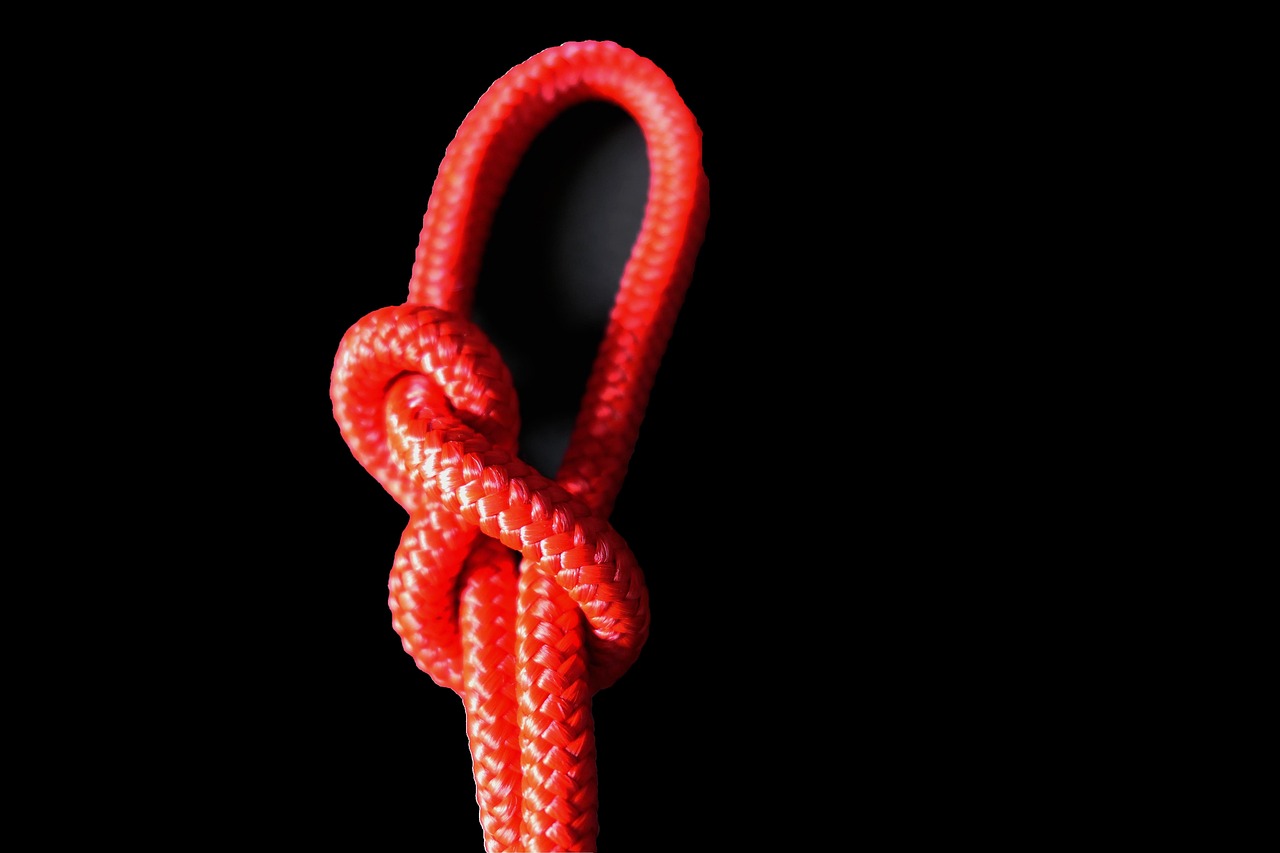
Ice climbing necessitates reliable knots for safety and efficiency. Learning to tie common knots is crucial for any climber, whether novice or experienced. The first knot worth noting is the Figure Eight Knot. This versatile knot is useful for creating a secure loop at the end of a rope. Begin by making a loop with the rope and pass the working end through this loop. Pull the working end back down and tighten it by pulling on both sides. This knot is essential for belaying, climbing harnesses, and attaching to anchors. Another vital knot is the Double Bowline, which provides a stable loop that won’t slip. To tie it, form a regular bowline but instead of threading through a single loop, pass through the second. This knot works well in icy conditions where a secure hold is essential. Remember to practice each knot until it’s second nature. Proper knot techniques can prevent accidents and keep climbers safe. In the following paragraphs, we will explore additional knots and their applications as well as tips for practice.
Essential Knots for Ice Climbing
Besides the Figure Eight and Double Bowline, ice climbers should master the Clove Hitch. This knot allows for easy adjustments while securing the climber to an anchor. Start by laying the rope over the anchor, then wrap it around and thread it through itself. Pull tight to ensure a secure hold. The versatility of the Clove Hitch makes it ideal for quick adjustments on the fly. Ensuring a tight pull will prevent the knot from slipping under weight. Another essential knot is the Prusik Knot, which functions as a friction hitch. To create a Prusik, use a loop of rope and wrap it around the main line multiple times before threading it through itself. This knot can slide easily when no pressure is applied but locks under load. It’s particularly useful for ascending ropes or self-rescue situations. Climbers should practice tying these knots in various conditions. Use brightly colored ropes to enhance visibility while practicing. Consider enrolling in a climbing course or finding a mentor for hands-on guidance and immediate feedback.
The Importance of Knot Practice
Regular practice of ice climbing knots ensures familiarity and efficiency during climbs. As a climber, the ability to tie knots quickly can make a significant difference in safety. Set aside time to practice in a controlled environment; this repetition builds muscle memory. Use different types of ropes to simulate various climbing conditions. Practicing under various weather conditions, when possible, prepares you for real climbs. Start with slow movements to ensure accuracy, then gradually increase speed until each knot can be tied instinctively. Another helpful technique includes practicing with gloves, as you will likely be wearing them during climbs. Engaging with fellow climbers can also provide new tips and techniques to improve knot-tying skills. They may have insights or best practices to enhance your skills further. Also, consider recording yourself tying knots to observe your technique and find areas for improvement. Regular assessments will keep skills sharp and readiness high. Remember, safe knots can prevent accidents and help climbers remain focused on their technique and the environment.
In addition to fundamental knots, climbers need to understand the implications of using correct knots under stress. Each knot behaves differently when subjected to weight, and knowing how they react is key to climbing safely. For instance, the Figure Eight knot retains its strength under load, making it reliable. Conversely, others may lose their grip depending on the material of the rope and the conditions, like moisture or ice. Testing various knots in different scenarios will clarify their strengths and weaknesses. It’s essential to review the condition of your gear frequently. Ropes deteriorate over time, impacting knot security. Inspect for frays and replace worn gear as needed. Depending on the climbs, knots may need rechecking under pressure. Use your judgment and always err on the side of caution. Finding quality equipment enhances overall safety. Seek out additional resources such as climbing manuals and online tutorials for a deeper understanding. Learning from experienced climbers can also provide insights that aren’t found in books. Adapting knowledge will lead to lifelong safety practices in ice climbing.
Advanced Knots for Specific Situations
Once basic knots are mastered, consider learning advanced options for complex scenarios. The Munter Hitch is a perfect example; it is useful for belaying during ice climbs. This knot allows for additional versatility in managing the rope, easily adjusting tension as required. To tie, form a figure-eight, and thread the rope back through the loop. Climbing guides appreciate the Munter for its adaptability. Another useful knot is the Bowline on a Bight, which provides two loops instead of one. This knot is particularly beneficial for rescue operations or hauling gear. Practice this method back-to-back with the regular bowline to see their differences in application. Remember to always check for secure tightness before adhering to safety protocols. Every ice climber should develop a toolkit of knots tailored to their usual climbing style. Choosing the right knot not only affects efficiency but also enhances overall safety during climbs. It’s worth investing time understanding various applications and contexts for each knot. Seek out forums or workshops where advanced knot-tying is focused and discussed.
When choosing knots for your next climb, consider the environmental conditions you’re facing. Sometimes, certain knots perform better in specific temperatures, weather, or ice might affect the knot’s security. For icy conditions, for example, ensure that the knots tie well under layers of cold weather clothing. The conditions might require more gripping or slipping, so adapting to features of the ice becomes critical. Each knot serves a purpose and understanding these can tremendously boost your climbing experience. Divide your practice sessions by types of knots: focus on belaying knots one day, while another session can zero in on rescue knots. This division allows for better focus and mastery. Also, don’t shy away from revisiting basic knots, even as your skills evolve. They form the foundation of your climbing expertise. Climbers often overlook fundamentals as their skills progress, but these become invaluable memories in critical moments. Engage with local climbing groups or online communities to share knowledge and tips related to specific knots. Collaborating with others enriches the learning experience immensely.
Conclusion: Mastery of Knots
Mastering these common ice climbing knots takes time, practice, and patience, which are essential for ensuring safety on the climb. Embrace consistency in practice and pay attention to detail during your sessions. Each part of the knot is significant—ensure each step is performed accurately. Invest time in proper knot-tying techniques, as they serve as a crucial line of defense on the wall. Take the time to study and understand the different knots available, and don’t hesitate to experiment with them. Determine which knots best suit your style and conditions you most often face, being ready to adapt as you climb. Remember to thoroughly inspect your knots before climbs to ensure they are secure. Next, apply this knowledge during practice climbs, refining your skills and building confidence. By taking these steps, you ensure a safer and more enjoyable experience. Ice climbing poses challenges, yet mastering its techniques can turn these into exhilarating adventures. Lastly, embrace learning and seek out continuous improvements in climbing skills, particularly regarding knot tying.
Practice your knot tying skills regularly, and stay informed about developments in climbing techniques. Resources like workshops and climbing groups provide opportunities to learn new knots and reinforce existing skills. Networking with other climbers can open doors to mentorship, which significantly aids in understanding the intricacies of ice climbing. Climbing safely requires collective knowledge of both knots and gear, so sharing insights can elevate the group overall. Consider engaging with materials that focus specifically on ice climbing gear review as it relates to knot tying. Responsive gear is critical for transformation in knots used. Climbers can further their skills with dedicated training programs available online or in climbing centers. Take your climbing knowledge to the next level by prioritizing knot mastery, an often underrated component of climber safety. By treating climbing as a community effort, each participant’s skills become the group’s asset. Strong knot skills cultivate self-assuredness, allowing you to focus on techniques and minimizing risks. Always remember, safety comes first. Use these insights to enhance your next climbing expedition!