
Eating Strategies for Multi-Day Endurance Competitions
Preparing for multi-day endurance competitions requires careful planning around nutrition. Athletes often overlook the importance of proper fueling strategies, which can significantly influence performance and recovery. It’s crucial to focus on nutrient timing, ensuring that the body receives sufficient carbohydrates, proteins, and fats at optimal times. Prior to the competition, building up glycogen stores through carbohydrate-loading can enhance endurance. Also, consistency in meals and snacks during training can help in establishing a routine. Hydration is equally important; athletes should aim for balanced electrolyte levels to prevent dehydration during events, which can lead to performance drops. To determine the appropriate amount of calories needed, athletes should consider the intensity and duration of their activities. Monitoring energy expenditure helps athletes understand their unique nutritional needs, tailoring their intake accordingly. Keeping protein high is vital for muscle recovery, while healthy fats can provide long-lasting energy. Understanding these strategies and their application can aid athletes in enhancing their overall performance and stamina. Additionally, avoiding new foods or beverages during a competition can help prevent gastrointestinal distress, which is crucial for endurance athletes and should be taken seriously.
During multi-day endurance events, effective meal planning plays a vital role. Athletes should focus on meals that are easily digestible and provide sustained energy release. Incorporating a balance of carbohydrates, such as whole grains, fruits, and vegetables, alongside proteins like lean meats, nuts, and legumes ensures a well-rounded diet. This combination not only supports energy levels but also promotes recovery and muscle repair. Consistent meal pacing can help maintain high energy levels throughout the competition. Moreover, incorporating snacks between meals can prevent energy dips. Portable, nutrient-dense snack options such as energy bars, fruits, and electrolyte drinks can be beneficial during these competitions. Additionally, incorporating more frequent small meals may hold more advantages than fewer large meals. Being aware of individual preferences is essential, as each athlete’s digestive system reacts differently. Experimenting with various combinations during training can lead to the discovery of the best personal strategy. Lastly, staying flexible with plans can help adjust strategies based on energy levels or unforeseen circumstances during an event. Awareness and adaptability regarding dietary choices are key components to succeeding in multi-day competitions.
Hydration Strategies for Athletes
Adequate hydration before, during, and after endurance events is crucial to maintain optimal performance. Athletes should begin each day by drinking water and possibly electrolyte-rich drinks to set a hydration baseline. During competitions, continually sipping water ensures hydration levels remain high. Electrolyte drinks containing sodium, potassium, and magnesium can help retain water in the body, especially in warmer climates. Research suggests consuming around 500-1000 mL of fluids per hour during intense activities can maintain performance levels. Athletes should strive for a personalized hydration strategy, ideally testing it during training sessions. Monitoring body weight can provide insight into water loss, guiding athletes to replenish lost fluids efficiently. Additionally, incorporating hydrating foods, such as fruits and vegetables, throughout meals can assist in maintaining hydration. Post-event, prioritize replenishing fluids alongside electrolytes for optimal recovery. Waiting until feeling thirsty isn’t sufficient, as athletes often underestimate hydration needs until fatigue or dizziness occurs. Encouraging regular fluid intake helps maintain energy and cognitive functions, which proves essential for multi-day endurance competitions.
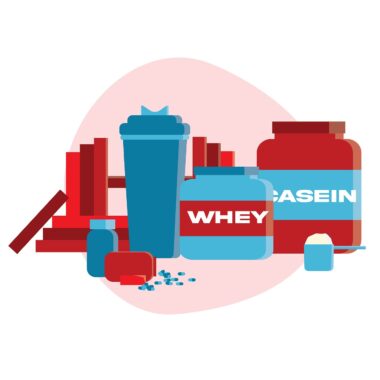
Nutrition is not solely about meal timing and hydration; recovery also needs attention. Post-event meals should focus on replenishing glycogen stores and repairing muscles, which are crucial after intense endurance activities. Consuming a mix of carbohydrates and proteins can facilitate muscle recovery while restoring energy levels. A common practice is to aim for a 3:1 ratio of carbohydrates to protein within 30 minutes post-competition. This time frame is regarded as a key window for effective recovery. Including nutrient-dense foods such as yogurt, smoothies, or recovery shakes can ease the replenishing process. For optimal effects, athletes should also consider including foods rich in antioxidants, like berries, to combat tissue inflammation. Meals after workouts also serve another purpose; they support ongoing training cycles and consistent performance. It’s worth experimenting with different recovery strategies during training to discover what works best for an individual’s needs. Moreover, regular assessment of energy and nutrition plans can lead to continual improvements. Thus, adapting dietary intake post-competition can enhance future performance and reduce fatigue sources.
Foods to Incorporate for Optimal Performance
For multi-day endurance competitions, focusing on specific food choices can positively impact performance. Whole grains, like oatmeal, quinoa, and brown rice, serve as excellent sources of carbohydrates that provide lasting energy. Additionally, athletes should incorporate fruits such as bananas, which are rich in potassium, ideal for preventing cramps. Lean proteins, including chicken, fish, and plant-based options like lentils, are essential for muscle repair after long endurance events. Healthy fats from sources like avocado, nuts, and seeds can support energy levels throughout the day. Incorporating a variety of meals can also prevent monotony and encourage better adaptation. Athletes may find it beneficial to explore local cuisine during competitions, as variety can enhance satisfaction and decrease discomfort associated with repetitive meals. Experimenting in training helps in learning which foods energize and satisfy them best. Whole foods often yield better results than processed alternatives, which can be high in sugars and additives. An optimal performance diet should continuously be refined based on both personal preference and individual performance outcomes.
Another important aspect of nutrition for endurance events is timing. Coordinating food intake around training sessions can maximize performance benefits while minimizing digestive issues. Consuming a meal rich in carbohydrates approximately three to four hours before the event is recommended. This timing allows for proper digestion before exertion begins. For shorter events, light snacks could be beneficial one hour before starting. The right food choices can catalyze performance spikes, particularly in energy levels and endurance. In addition, strategies for managing pre-competition nerves through proper nutrition can enhance composure. Working with a sports nutritionist is advisable to tailor eating schedules according to an individual’s metabolism and preferences. Ultimately, understanding personal nutritional needs can facilitate better training outcomes. Continuous learning through self-testing will refine strategies over time. Thus, providing nutrient-rich meals in a timely manner can impact athlete performance on various levels. As athletes gain experience, they’ll refine routines, which is crucial for success in multi-day endurance competitions.
Conclusion
Nutrition for multi-day endurance competitions encompasses various strategies tailored to maximize performance and recovery. From pre-competition meal planning to hydration strategies, each aspect contributes to overall success. Athletes should experiment with different food options to identify those most suited to their needs. As they learn what benefits them best, increased awareness leads to improved strategies. Maintaining an adaptable hydration plan is equally vital to stay on track during events. Mindset and flexibility around nutrition often enhance athletic performance significantly. Working alongside a nutritionist can help polish these strategies and offer personalized guidance. Commitment toward understanding body’s signals also can help prevent fatigue and ensure optimal energy levels during competition. Furthermore, focused recovery strategies ensure the body is prepared for the next challenges that may arise. Ultimately, well-structured nutrition strategies can contribute to the athlete’s success, creating a foundation for sustained performance over time. Prioritizing fuel and recovery enables athletes to meet the demands of multi-day challenges more confidently. Thus, it’s imperative to prioritize and continually evolve dietary habits to support prolonged athletic endeavors.
This entire process encourages athletes to treat nutrition as equally essential as training, employing systematic approaches. A positive mindset toward food can lead to better outcomes, just as a well-structured training plan promotes progress. Implementing effective nutrition strategies prepares athletes for overcoming obstacles inherent in endurance competitions. Adapting to various circumstances, including traveling for events, can help athletes maintain dietary consistency even under pressure. Awareness surrounding food sources and their impacts on performance is crucial. Engaging in continuous education regarding sports nutrition can also drive athletes toward better long-term habits. By refining these strategies, endurance athletes position themselves for success during multi-day competitions, advancing their overall performance and enjoyment of the sport.