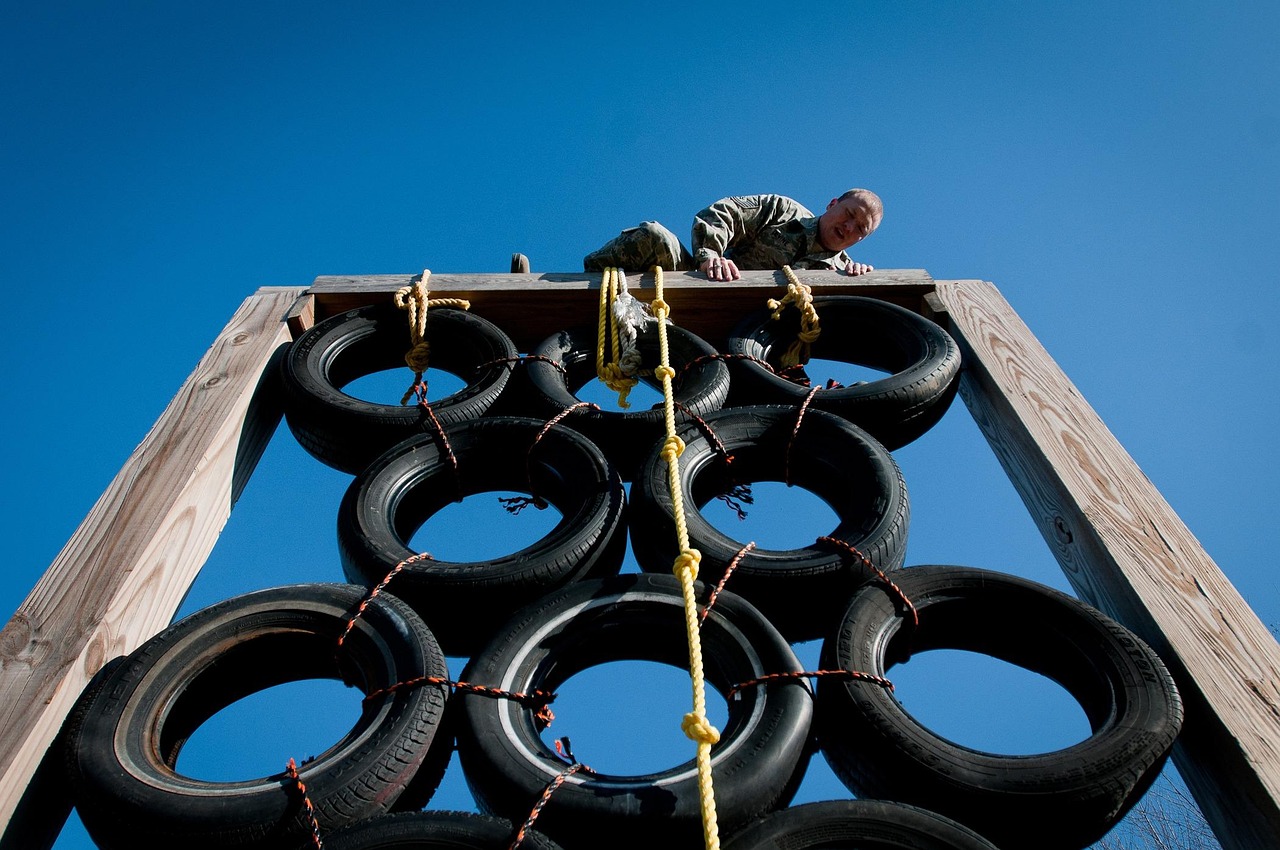

Timing Your Shots: Anticipating the Action in OCR Events
Obstacle Course Racing (OCR) events are dynamic and exhilarating, making them perfect subjects for photography. Capturing the right moment is crucial, as these athletes push their limits in challenging conditions. One essential tip for photographing OCR events is to know the course layout. Familiarize yourself with the obstacles and the paths competitors will take. By understanding where the action happens, you can set up your equipment accordingly. Consider scouting the course ahead of time to identify ideal positions for your shots. Utilizing high vantage points can also give you unique perspectives. Moreover, communicate with fellow photographers and athletes to share information, tips and sometimes even gain insider knowledge on the course. Knowing when the most exciting moments occur can significantly improve your chances of capturing stunning images. Timing is everything; anticipate when athletes will face obstacles or make significant movements. You can plan accordingly and, more importantly, adjust your focus and framing. Capture their expressions, strength, and determination to convey the excitement of the race. With proper planning and timing, your OCR photography will stand out.
Choosing the right equipment is fundamental to successful OCR photography. A good camera with fast autofocus can help ensure you catch every moment. Depending on your budget, consider using a DSLR or mirrorless camera with a telephoto lens. A telephoto lens allows you to zoom in on the action without being too close to the athletes. This is particularly beneficial for candid shots and can offer some great perspectives of participants as they tackle obstacles. Additionally, bring a waterproof bag or case; it’s not uncommon for obstacle courses to involve mud or water elements. Protecting your gear from the elements guarantees that you can continue shooting without worrying about damage. Furthermore, using a fast shutter speed can freeze action effectively, so adjusting your camera settings beforehand is essential. Make sure to practice using your gear in different lighting conditions prior to the event. Understanding how to operate your equipment in various environments will enhance your ability to capture the action. Moreover, dedicated OCR-specific photography gear, like straps and harnesses, can also help you move quickly while maintaining access to your camera. Always be prepared to adjust your settings as the event unfolds.
Understanding the Athletes’ Movements
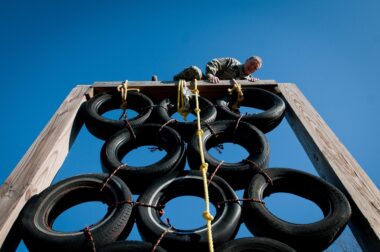
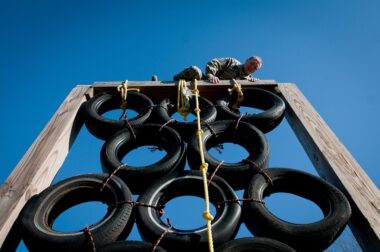
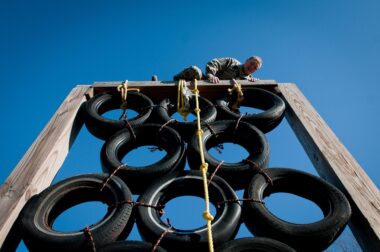
To master OCR photography, understanding the movements and behaviors of the athletes is vital. Every racer has a unique style, and grasping these subtleties will aid you in anticipating key moments. Take the time to observe the athletes warming up and preparing before the race. This practice can give insights into how they might approach obstacles, allowing you to prepare for the right shots. Athletes may be nervous or pumped with adrenaline; capturing these emotions will enhance your storytelling through images. Additionally, each obstacle presents different challenges. For example, some may involve climbing, while others are based on speed or endurance, and each requires a different focus. As a photographer, you need to be mindful of these differentiations; this knowledge will provide you the intuition to click at just the right moment. Consider standing at the foot of a tricky climb or beside a mud crawl, where action peaks. By anticipating where struggles and triumphs will occur, you position yourself for remarkable shots. Following the race closely enables you not only to capture the best moments but also tell diverse stories through your photography.
Moreover, using burst mode on your camera can be a game changer when photographing fast-paced OCR events. This feature allows you to take a series of photos in rapid succession, increasing the chances of capturing that perfect shot. When using burst mode, ensure your camera settings are optimized to avoid any potential lag or delay in taking photos. Practice using this mode beforehand so that when the race begins, you can focus entirely on the action. Additionally, experiment with various angles and perspectives during the event. Moving around the course helps provide a variety of shots, making it easier for you to select your favorite images later. Flexibility is essential; if an athlete performs an unexpected move, be ready to pivot and capture that moment. Always anticipate the unexpected; athletic competitions are often unpredictable. As you develop a rhythm with your photography style, your comfort with burst mode and various angles will empower you to document the essence of OCR. This can lead to a portfolio filled with brilliant images that showcase the athletism, grit, and determination exhibited throughout competitors’ journeys in OCR events.
Post-Processing Your Shots
The work doesn’t end when the race is over; post-processing your images is crucial for enhancing your OCR photography. Take the time to go through each image carefully to select the best shots. Editing can dramatically improve the quality of the photos by correcting exposure, contrast, and color balance. Using software like Lightroom or Photoshop can help streamline this process. Applying basic adjustments lends vibrancy and can make your shots pop. Additionally, consider applying subtle sharpening, especially if you’re working with images taken from a distance or in low light conditions. Get familiar with tools that can help reduce noise, particularly in images captured at high ISOs. Another vital aspect to consider is cropping; framing your subjects appropriately can drastically change the impact of your photos. Focus on keeping your composition tight and the subjects clear. Give priority to elements like the athletes’ expressions and the chaotic energy surrounding the obstacles. Finally, be sure to consider how you present your final images. It may involve sharing on social media or creating a portfolio gallery that encapsulates your OCR photography journey.
Sharing your work with the OCR community is as important as creating exceptional photographs. Most athletes and event organizers appreciate when photographers showcase their experiences and talents. You can use platforms like Instagram, Facebook, or specialized OCR forums to connect with fellow enthusiasts. When sharing, consider using relevant hashtags related to OCR, photography, and the specific event you covered. This increases visibility, engaging more people who share your interests. Additionally, providing credit when sharing photographs featuring athletes is essential; many of them love to see themselves in action captured beautifully. This builds relationships and trust within the community, potentially leading to opportunities for future collaborations or event invitations. Networking with fellow photographers at these events can also be beneficial. Engaging conversations may lead to learning about new techniques or gear. Attend workshops or join local photography groups that focus on sports and action photography. Collaborations can ultimately expose you to new sources of inspiration. Stay active in social media interactions, and don’t shy away from asking for constructive feedback on your work. Each image shared can become an avenue for growth in your OCR photography journey.
Final Thoughts on OCR Photography
In conclusion, becoming proficient in OCR photography requires dedication, understanding, and a spirit of adventure. Embrace the challenges presented, and enjoy the exhilarating moments that unfold before your eyes. Starting with your gear, understanding the course, and timing your shots will serve as foundational pillars for spectacular photography. Additionally, be adaptable and responsive to changes during the event; this means keeping an eye on the athletes’ movements while maintaining awareness of various angles to photograph from. Good post-processing practices can also elevate your images, highlighting the best moments and creating powerful narratives. Finally, getting involved with the OCR community will further enrich your experiences and provide opportunities for networking and collaboration. Remember to share your work while maintaining connections with those whose paths you cross. With every event, you’ll sharpen your abilities to capture heart-pounding moments that showcase athletes’ perseverance. Embrace the stunning unpredictability that comes with each obstacle course and depend on your instincts as well. Continually refine your skills as an OCR photographer, and get ready to witness your journey flourish into a beautiful collection of adrenaline-fueled imagery.