
Historic Winter Sports Training Techniques and Breakthroughs
Winter sports have an impressive history filled with remarkable training techniques and breakthroughs. For centuries, athletes in disciplines like skiing, snowboarding, and ice skating have constantly evolved their methods. Each new approach aimed to enhance performance and excel in competitions. Techniques adopted by athletes have included strength training, flexibility exercises, and specific skill drills. Among the pivotal moments was the introduction of high-tech materials in equipment, which enhanced speed and agility. Moreover, the shift from traditional training schedules to incorporating sports science has greatly influenced winter sports. Athletes began collaborating with coaches and trainers to optimize their routines, ensuring they performed at peak capacity during competitions. The training methods emphasizing endurance and precision played significant roles in shaping champions in this domain. Various techniques, such as plyometric exercises and functional strength training, have become mainstream. As athletes understand their bodies better, they have altered how they approach training. Each winter season showcases the evolution of strategies that lead to significant achievements and records on the snowy slopes.
Another significant breakthrough in winter sports training has been the use of technology in performance analysis. Many winter sports federations have started utilizing video analysis as a vital tool for improving athletes’ techniques. By recording performances, coaches can dissect every movement and make necessary adjustments. Technologies such as motion capture and biomechanical analysis provide insights into athletes’ performances that were once unimaginable. Athletes now have access to real-time data about their speed, technique, and stability while competing. Incorporating this information helps determine the best drills and improve weaker areas. Enhanced feedback loops have contributed to refined training customized to individual athletes. Another innovation is the use of virtual reality (VR) for simulation training. VR allows athletes to practice courses in a controlled environment to visualize challenging scenarios. It prepares them mentally for competitions and enhances their decision-making skills under pressure. Combining technology with traditional training methods ensures a well-rounded approach. Coaches can tailor experiences to build confidence and improve technical skills. These advancements underline the continuous quest for improvement that has shaped the landscape of winter sports training practices.
The Influence of Sports Science
In recent years, the influence of sports science on winter sports has been undeniable. Nutrition, psychology, and physiology have become central to training regimens. Coaches are now integrating sports dietary plans to optimize athletes’ energy levels and recovery. Custom meal plans help ensure athletes achieve peak fitness while training rigorously. Psychological support has also become essential, with many athletes engaging sports psychologists to hone their mental resilience. Cultivating mental strength is as crucial as physical training, especially in high-stakes winter sports competitions. Moreover, understanding biomechanics enables athletes to fine-tune their movements, enhancing efficiency and reducing injury risks. A significant shift towards data-driven methodologies allows athletes to track their progress accurately. Analyzing performance metrics helps identify areas for improvement, creating personalized training strategies. Additionally, innovations in recovery techniques, such as cryotherapy and physiotherapy, have emerged. These methods reduce post-training soreness and accelerate healing, enabling more intensive training cycles. The integration of these disciplines has empowered winter athletes to reach new heights in their respective sports, solidifying their status amongst the most elite competitors in the world.
One of the prominent historic moments in winter sports training came during the 1988 Calgary Olympics. Athletes were introduced to a rigorous training approach that accounted for altitude and environmental factors. Many competitors employed altitude training to acclimatize their bodies to less oxygen, improving performance timing. Such methods solidified the importance of environment in competitive preparation. During this event, skiers, snowboarders, and speed skaters showcased remarkable speeds, breaking records that stood for years. This Olympic Games marked shifts in how athletes viewed their training environments, leading to the establishment of specialized training camps. Historical training breakthroughs have allowed future generations to maximize their potential. Athletes today prepare in locations that mimic specific conditions they will face during competitions. This sort of preparation continues to resonate within sports discussions, illustrating that even minute details can yield significant performance enhancements. It underscores a trend towards scientific and experiential evidence being paramount in shaping effective training regimes. By learning from previous generations, contemporary athletes can achieve peak performances while pushing the boundaries of what is attainable in winter sports.
Evolution of Technique and Style
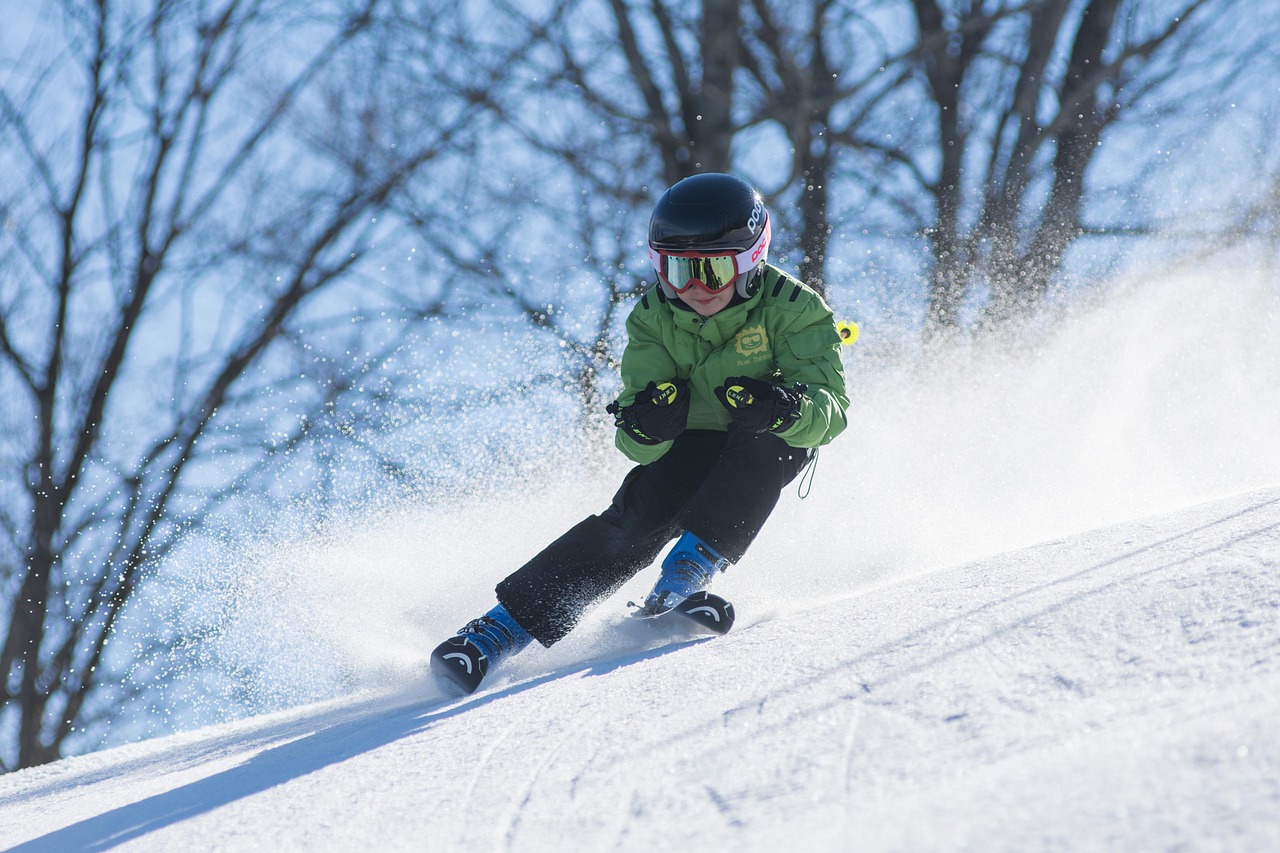
The evolution of technique and style in winter sports illustrates how far training techniques have come. Each sport has its unique historical progression, with standout athletes paving the way. For example, in ski racing, a remarkable transformation took place with the introduction of carving technique that revolutionized performance on slopes. Squared turns became obsolete as racers began to utilize their edges effectively. This performance breakthrough demonstrated the critical role that training and adaptive strategies play in arenas like alpine skiing. Similarly, snowboarding underwent changes in technique due to freestyle competitions gaining popularity, merging creativity and athleticism. Athletes combine jumps and spins with style, pushing boundaries and creating new trends. Historical events actuate transitions, such as the X Games, which showcased previously unthinkable maneuvers. As athletes adapt to the evolving landscape, their training regimens reflect the need for creativity and adaptability. The dynamic nature of winter sports constantly challenges competitors to innovate—whether learning new tricks or perfecting racing techniques. Each historical moment contributes to a foundation that shapes training strategies for aspiring competitors, urging them to explore new territories.
Another pivotal moment in winter sports training occurred during the 1970s when sports psychology gained traction. Athletes began to recognize the significance of mental preparation in addition to physical training. This period initiated a change in the training narrative, reinforcing that psychological strategies could profoundly influence performance outcomes. Moreover, these insights guided the development of relaxation techniques, visualization exercises, and focus strategies. Athletes who excelled embraced these trends, allowing their minds to complement their intense physical prowess. The concept of mental conditioning spread like wildfire across various disciplines, forming the backbone of elite training protocols. Coaches now incorporate mental skills training within overall strategies, guiding athletes to develop mental resilience. Practicing these techniques allows competitors to maintain composure under pressure and avoid distractions during competitions. This evolution establishes that the mind must be equally fit to navigate the challenges posed in competitive settings. Incorporating comprehensive approaches, including physical and mental health, has allowed for impressive performances at all levels. The positive effects that this movement has had on winter sports training cannot be overstated, enriching the entire sporting community.
The Future of Winter Sports Training
The future of winter sports training continues to promise breathtaking innovations. As technology develops, wearable devices are increasingly being embraced to monitor every aspect of an athlete’s performance. Data analytics will likely provide insights that allow for even finer adjustments in training protocols. Athletes will utilize advanced sensors that feed real-time information about heart rates, muscle exertion, and fatigue levels. This ongoing evolution can redefine traditional training paradigms, transforming how winter athletes prepare for competitions. Moreover, collaboration among trainers, coaches, and sport scientists will become even more integral. This collaborative approach will yield methodical, comprehensive programs focused on individualized training strategies. Adaptive training methodologies will flourish, addressing the unique needs of athletes. Beyond physical preparation, mental conditioning strategies will continue to evolve. Innovative methods such as mindfulness and cognitive-behavioral approaches may begin to blend into regular training sessions. As globalization fosters collaboration among athletes worldwide, burgeoning techniques and practices will be exchanged and adapted based on cultural insights. Ultimately, winter sports training will continually evolve and adapt to meet the growing demands of both athletes and competitive standards.
In conclusion, the journey through historic winter sports training techniques and breakthroughs exemplifies an enduring pursuit of excellence. The path has been marked by significant moments that have transformed commitment levels of athletes. Examining the evolution of training methodologies, we can recognize an undeniable blend of physical and mental preparation. Each new framework has contributed to pushing the boundaries of performance in various disciplines. The influences of sports science, technology, and evolving techniques have shaped a vibrant training landscape; thus, creating the champions of tomorrow. The historical data gleaned from past experiences continues to inform present decisions and strategies. As the world of winter sports forges ahead, learning from these great moments will pave the way for unprecedented achievements. Athletes are now equipped with advanced techniques and insights that previous competitors could only dream of utilizing. As innovations unfold, the legacy of previous generations will guide aspiring athletes in their quests for greatness. Thus, winter sports training remains a rich tapestry shaped by history, technology, and passionate individuals dedicated to excellence.