
Key Innovations in Inline Skating Technology Over Time
The history of inline skating is rich and varied, reflecting significant technological advancements alongside a growing culture of sport and leisure. Inline skates evolved from primitive designs to highly specialized equipment used in various disciplines, from recreational skating to competitive racing and extreme sports. Key early innovations included the introduction of metal wheels, which replaced wooden ones, providing smoother rides on diverse surfaces. Furthermore, the design of the frame saw considerable changes, transitioning from straight arrangements to the more maneuverable and responsive designs we see today. Each innovation, such as adjustable frames and improved bearings, aimed to enhance performance and safety for skaters. Additionally, the materials used to construct inline skates have evolved, leading to lighter and more durable options, which allow for higher speeds and prolonged use. Skating events themselves have transformed over the decades, influencing how manufacturers develop their products. The sport’s integration into large events, including the Olympics, has pushed the envelope regarding performance and technology further. Thus, the journey of inline skating reflects ingenuity and passion, maintaining relevance across generations and introducing new enthusiasts to this thrilling pastime.
Inline skating’s roots can be traced back to the late 18th century, reflecting an era of innovation in personal transport. The early iterations of inline skates featured a single line of wheels, resembling the modern design but with less sophistication than today’s models. The basic concept was groundbreaking for its time, allowing for increased speed and agility over traditional roller skates. Over time, various designs emerged, aiming to improve stability and speed. By the 20th century, with the rise of recreational skating, manufacturers began experimenting with different materials and configurations, leading to the emergence of reliable performance-driven models. Advancements in wheel technology, including polyurethane materials, played a crucial role in enhancing durability and grip. The introduction of smooth, harder wheels improved both control and speed, making skating more thrilling. As inline skating gained popularity within urban spaces, more innovative designs began to focus on blending performance with aesthetics. The progression of inline skating led to a wider adoption and recognition of various skating styles, including street skating and aggressive skating. More recently, technological innovations have embraced digital tools, enabling users to personalize their gear, thus merging technology with personal expression.
Influence of Material Science
The development of inline skating has significantly benefited from advancements in material science, which directly influence skate performance and comfort. Early skates used wood and metal, which, while revolutionary for their time, could not compare to the lightweight and durable materials we use today. Modern inline skates incorporate plastics, carbon fibers, and aluminum alloys, allowing for a blend of strength and flexibility not previously possible. These innovations have resulted in skates that are lighter, faster, and more responsive to a skater’s movement. The choice of wheels has also hinged upon these advancements, utilizing polyurethane for better grip and cushioning. This innovative material adapts well to various surfaces, enhancing the skating experience whether on smooth pavement or rough terrains. Moreover, flexibility in the design of the boot can be attributed to advanced synthetic materials that provide excellent support without sacrificing comfort. As skaters demand more from their equipment, manufacturers continuously innovate, pushing the limits of what materials can achieve. This evolution ensures that inline skating remains dynamic, accommodating both professional athletes and casual enthusiasts who seek enjoyment and performance in their skating endeavors.
As inline skating grew in popularity during the 1980s and 1990s, manufacturers recognized the need for specialized designs catering to different skating styles. The emergence of aggressive skating brought forth unique innovations, such as shorter skates with wider wheels designed for tricks and stunts. Similarly, downhill skating and speed skating led to distinct refinements in design, adopting aerodynamics as a crucial factor. Skate parks began to appear, further driving the need for equipment that could withstand tougher conditions and deliver superior performance. The significant Technological shifts during these decades helped to establish inline skating as a recognized sport. Companies created improvements in ankle support and braking systems that catered specifically to increasing the safety of skaters engaged in demanding activities. Innovations such as integrated brake systems and toe guards became common, ensuring that skaters could focus more on their performance rather than worry about injuries. Today, this design philosophy remains vital, as manufacturers balance performance with safety, producing equipment that meets the diverse needs of the skating community while promoting the enjoyment of the sport.
The Role of Competition in Innovation
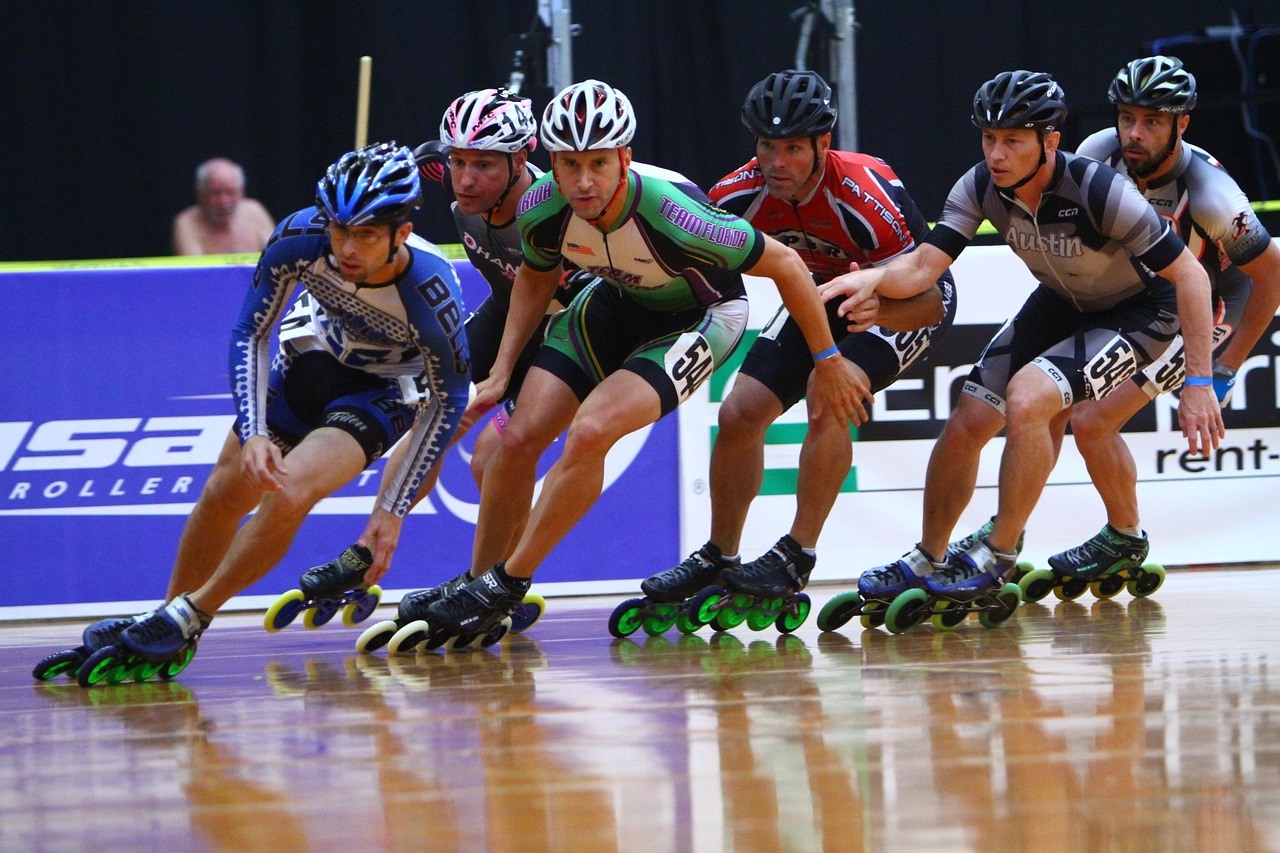
Competitions have been instrumental in driving innovations within the inline skating industry. As athletes strive to achieve better results, their demands push manufacturers to create cutting-edge products. Professional tournaments showcase the latest in skate technology, often serving as launch pads for new designs. Innovations stemming from competitive environments often become standard features across all skating models, due to their proven effectiveness. For example, custom-fitted skates that use 3D scanning technology have gained traction due to their personalized nature, providing unparalleled comfort and performance benefits. The focus on speed and agility has also spurred developments in blade design and wheel construction. Manufacturers continuously strive to reduce friction, leading to enhanced speed and smoother rides for skaters. These developments resonate well beyond professional levels, filtering down to recreational models, allowing for greater access to high-quality performance features. Additionally, competitive events underscore the importance of reliable skate equipment, emphasizing durability and functionality. As skaters highlight their need for specific innovations, these insights continuously inspire improvements meant to elevate the sport, leading to richer experiences for everyone involved, including beginners and experts alike.
In recent years, the inline skating community has embraced technology in ways that profoundly impact skating culture and experiences. Smart technologies and wearable devices have begun to merge with traditional skating gear, allowing enthusiasts to track performance metrics in real-time. Innovations such as fitness trackers and smart helmets are becoming staples among serious skaters, enabling them to measure speed, distance, and even techniques effectively. Furthermore, augmented reality apps have started to gain traction, providing skaters with interactive experiences that enhance both training and leisure. Beyond performance, these technologies contribute to skate safety by providing users with alerts about environmental conditions or potential hazards. The incorporation of these technological advancements signifies a shift in how skaters engage with their sport and is set to redefine the future of inline skating. The dialogue between sports technology and inline skating continues to evolve, allowing athletes to set personal goals while maintaining an edge over competitors. This evolution invites non-skaters into the community as well, enabling even the youngest enthusiasts to dream of innovative skate designs that make participation more inclusive and enjoyable, marking an exciting future for inline skating.
Future Perspectives of Inline Skating Innovations
Looking to the future, inline skating stands at the crossroads of tradition and technological innovation, promising an exciting trajectory ahead. As skateboarding continues to merge with new disciplines, such as e-skating, innovations will likely follow suit, integrating electric motors into inline skates to enhance speed without sacrificing control. Manufacturers are researching ways to incorporate sustainability within their production processes, using environmentally friendly materials that do not compromise performance. Additionally, there is a growing interest in smart skates that adjust to different terrains automatically, enhancing adaptability to various situations. As urban environments evolve and face new challenges, inline skates must embody versatility to thrive. Innovative design techniques may lead to modular skates, allowing users to upgrade individual components based on their needs. The emphasis on community engagement will continue to guide manufacturers, as listening to skaters’ feedback can yield groundbreaking designs. Furthermore, as competitive and recreational skating merge within the broader action sports culture, the industry’s landscape will change. The convergence of these elements will shape futures filled with bold designs, improved technology, and an inclusive skating culture that welcomes new participants.
The integration of inline skating into popular culture also influences its technological trends. Movies, social media platforms, and professional athletes promote skating as a vibrant activity, appealing to a broad audience. This influence drives demand for more innovative and visually stunning designs, encouraging manufacturers to invest in research and development. As skating styles evolve, we can expect advancements in customization options for skates, allowing individuals to express their unique personalities through their gear. Additionally, with the rise of esports, virtual reality (VR) environments may emerge, where users can experience skating without physical limits. These shifts suggest future innovations in inline skating will prioritize not only performance but also user experience and cultural relevance. The melding of technology and art into skate design reflects an era of innovation that keeps inline skating fresh and inviting to newcomers. Enthusiasts will continue to celebrate this rich balance of sport, style, and community spirit, ensuring that inline skating remains a vibrant part of our recreational landscape. The future is bright, as ongoing innovations promise exciting developments that will engage skaters around the world.