
Portable Posture Trackers: Convenience Meets Accuracy
In today’s fast-paced world, maintaining good posture has become increasingly vital for overall health. The rise of remote work and reliance on screens has caused a surge in posture-related issues. Portable posture trackers have emerged as essential tools for individuals seeking to improve their alignment and reduce discomfort. These devices provide real-time feedback on posture, making it easier for users to make adjustments throughout the day. Contributing to both convenience and efficiency, these trackers are small enough to fit in pockets, ensuring that they are always accessible. Moreover, they can effectively integrate with smartphones through specific applications, allowing users to monitor their progress. Setting reminders to stand or adjust posture can be an invaluable way to combat those long hours of sitting. Increased awareness of posture not only benefits physical health but also fosters mental well-being. By using portable posture trackers, individuals can create a proactive approach towards their health. This article will explore different types of posture monitoring devices and discuss their features, effectiveness, and user experiences. Understanding how these devices work will help you choose the right one for your unique needs and lifestyle.
Variety of Posture Monitoring Devices
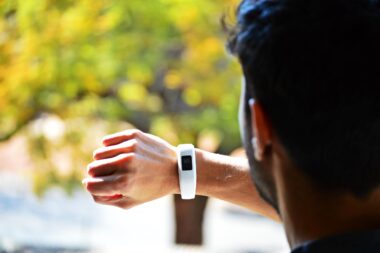
Posture monitoring devices come in several forms, each tailored to meet specific user needs. Wearable devices are among the most popular, often designed as adjustable bands worn around the neck or back. These bands typically utilize sensors to detect alignment and movement. When slouching or adopting poor posture, users receive gentle vibrations alerts. Another type of posture monitor is smart clothing, which integrates posture tracking technology directly into textiles, providing seamless monitoring. Smart shirts and braces can measure posture without being obtrusive while encouraging proper alignment throughout the day. Furthermore, smartphone applications that utilize built-in sensors allow users to track posture through visual feedback or reminders. Some devices even employ artificial intelligence to analyze user behavior, providing detailed reports and suggestions for improvement. As technology advances, new products continue to emerge, which will enable users to choose the most suitable option. Other innovative devices include posture-correcting chairs and desks that can automatically adjust based on user posture. Exploring these various options allows individuals to make informed choices about their posture correction journey and invest in tools capable of enhancing their health.
Portable posture trackers appeal greatly to fitness enthusiasts and professionals in physical therapy. As awareness of posture’s importance grows, so does the incorporation of posture tracking into rehabilitation plans. Many physical therapy clinics now use smart wearable devices for their patients. These specialized trackers can help address specific issues, guiding users through appropriate exercises and stretches. Enhanced engagement comes through real-time feedback, as patients receive gentle alerts to adjust their posture during activities. By providing precise data, these devices help therapists evaluate their patients’ progress over time. Additionally, health professionals can tailor personalized recovery plans with the information collected from these devices. Integrating technology into physical therapy offers a new dimension of care clients highly appreciate. Wearable posture trackers also promote exercise by encouraging users to maintain alignment during workouts. Strengthening the back and core while ensuring proper posture significantly reduces the risk of injury. This combination promotes a healthier lifestyle and reinforces good habits that extend beyond the gym. Ensuring ergonomic practices becomes increasingly seamless with the assistance of technology on your side as everyone seeks optimum health. Incorporation of posture trackers thus plays a crucial role in fostering a balanced and responsible approach to physical wellness.
Understanding the technology behind portable posture trackers is essential for maximizing their benefits. Most devices rely on accelerometers and gyroscopes to capture movement and orientation accurately. These sensors recognize changes in body position and provide instant feedback. Bluetooth connectivity enables the device to communicate seamlessly with smartphones, displaying real-time posture data. Users can track progress via accompanying apps, which often analyze and recommend corrective measures tailored to individual users’ needs. Some trackers boast additional features, such as sleep tracking, to assess nighttime posture and its effects on overall health. Even though collecting data is vital, ease of use remains equally important. Many portable posture trackers are designed with user-friendliness in mind. Simple installation procedures streamline the initial setup, often requiring only a quick charging session. Once up and running, these devices can offer comprehensive insights into daily habits. Compatibility with other wellness apps enhances their usability, enabling a comprehensive overview of health. Integration within existing routines ensures that users remain engaged with their posture tracking. By empowering individuals to take control of their posture, these devices foster a proactive mindset toward personal well-being and long-term physical health.
User Experience and Feedback
User experience is crucial in determining the effectiveness of portable posture trackers. Many users report positive experiences with both wearability and comfort. Most products boast lightweight materials, ensuring minimal disruption to daily activities. Ideal posture trackers should be unobtrusive and adaptable to various settings. Feedback is generally fostered through gentle reminders to reposition oneself, which many users appreciate. When it comes to effectiveness, users find that consistent use leads to noticeable improvements. As people incorporate these devices into their routines, they often express increased awareness of their posture. Thousands of reviews on different products reveal diverse perspectives and experiences. Several users report improved focus and reduced discomfort over time. It’s also essential to consider individual differences that influence results. Some trackers may suit specific lifestyles better than others. By assessing personal preferences, user feedback guides potential buyers. Reviews often highlight the importance of compatibility with smartphones and ease of app functionality as vital factors in their experiences. Ultimately, insightful user experiences provide guidance for prospective buyers on their journey toward improved posture and health.
While evaluating portable posture trackers, identifying the features that best match individual needs is crucial. Features may vary, with some devices focusing primarily on real-time alerts and reminders. Others provide sophisticated analytics, including historical data for posture trends, which users can analyze over time. Portability is another factor to consider; many users prefer lightweight devices they can wear throughout the day. Additionally, battery life is paramount; opting for long-lasting devices ensures consistent monitoring without frequent recharging. Users should also assess app compatibility and integration with their smartphones. Robust apps enhance the tracking experience, allowing for personalized reports and reminders tailored to user preferences. Moreover, affordability often becomes a deciding factor; with various options available, users should find a balance between quality and price to suit their budgets. It’s essential to research devices, focusing on brands that prioritize user experience and functionality. Examining testimonials and reviews will provide potential buyers with insights into the reliability of different products. By determining essential features, individuals can make informed buying decisions that effectively meet their unique demands for monitoring their posture. Thus, customizing features provides an enriching and personalized experience for users.
Conclusion: Investing in Your Posture Health
In conclusion, investing in portable posture trackers presents numerous advantages for individuals striving for better spinal alignment and overall health. As modern lifestyles increasingly promote sedentary behaviors, addressing posture concerns becomes vital. By utilizing technology, these devices empower users to monitor their posture throughout their daily lives effectively. Real-time feedback fosters awareness that ultimately leads to improved health outcomes. Moreover, as shown in user experiences, the benefits of posture trackers are far-reaching, improving focus, productivity, and well-being. Taking care of one’s posture is necessary, and embracing the convenience and accuracy of portable devices can facilitate change. Users not only enjoy improvements in physical health but also foster mental clarity through enhanced well-being. Investing in posture monitoring devices opens a pathway toward a more balanced, healthier lifestyle for individuals who prioritize their health. Choosing the right device becomes an essential step in this journey, influencing long-term outcomes. Whether worn in the office, gym, or home, posture trackers promote great awareness and offer achievable solutions to improve alignment. In this ever-evolving technological landscape, posture trackers embody the perfect blend of convenience and accuracy tailored to individual needs and lifestyle preferences.