
Safety Precautions Every Hydrofoiler Should Know
Hydrofoiling is an exhilarating water sport that combines surfing and flying over water. Before engaging in this exciting activity, individuals must prioritize their safety by adhering to essential precautions. Firstly, wearing a clearly visible personal flotation device (PFD) is of utmost importance. A properly fitted life vest can save lives in case of accidents. Additionally, it’s crucial to inspect your hydrofoil setup thoroughly. Look for any signs of wear or damage, as this can lead to catastrophic failures while riding. Always ensure that your leash is functional, as this keeps your board connected during falls, preventing it from becoming a hazard. Furthermore, using a helmet designed for water sports adds an extra layer of safety. Helmets can protect from impacts and injuries from falling boards. Also, properly informing others about your hydrofoiling plans can foster a safer environment. Select a designated area for practice, away from crowded settings. Make sure that you have reliable communication devices on hand to call for assistance if required. Practicing with a buddy can help monitor each other’s safety on the water, which is always wise during water sports.
Hydrofoiling can be rewarding and thrilling, but it comes with inherent risks. To ensure a safe experience, one must always be aware of environmental conditions before heading out on the water. Check weather forecasts beforehand, as strong winds and sudden storms can make conditions perilous. Evaluate water visibility; murky or dark waters may hide underwater hazards. Additionally, know your location; familiarize yourself with the nearby marine traffic, navigational markers, and possible obstacles such as rocks or sandbars. When starting, practice in controlled environments where beginners can learn and develop skills without high risk. Don’t rush into unpredictable waters until you are fully confident and adept on the board. Training with experienced hydrofoilers can also provide invaluable tips and techniques for minimizing risk. Another important precaution involves managing speed effectively. Hydrofoiling can reach high speeds, and controlling that velocity is essential for maintaining safety. Opt for gradual acceleration, progressing to faster speeds as you demonstrate adequate control. Always remain alert to other sports enthusiasts and swimmers who may share the water with you, ensuring mutual respect and safety.
Gear Up Effectively for Hydrofoiling
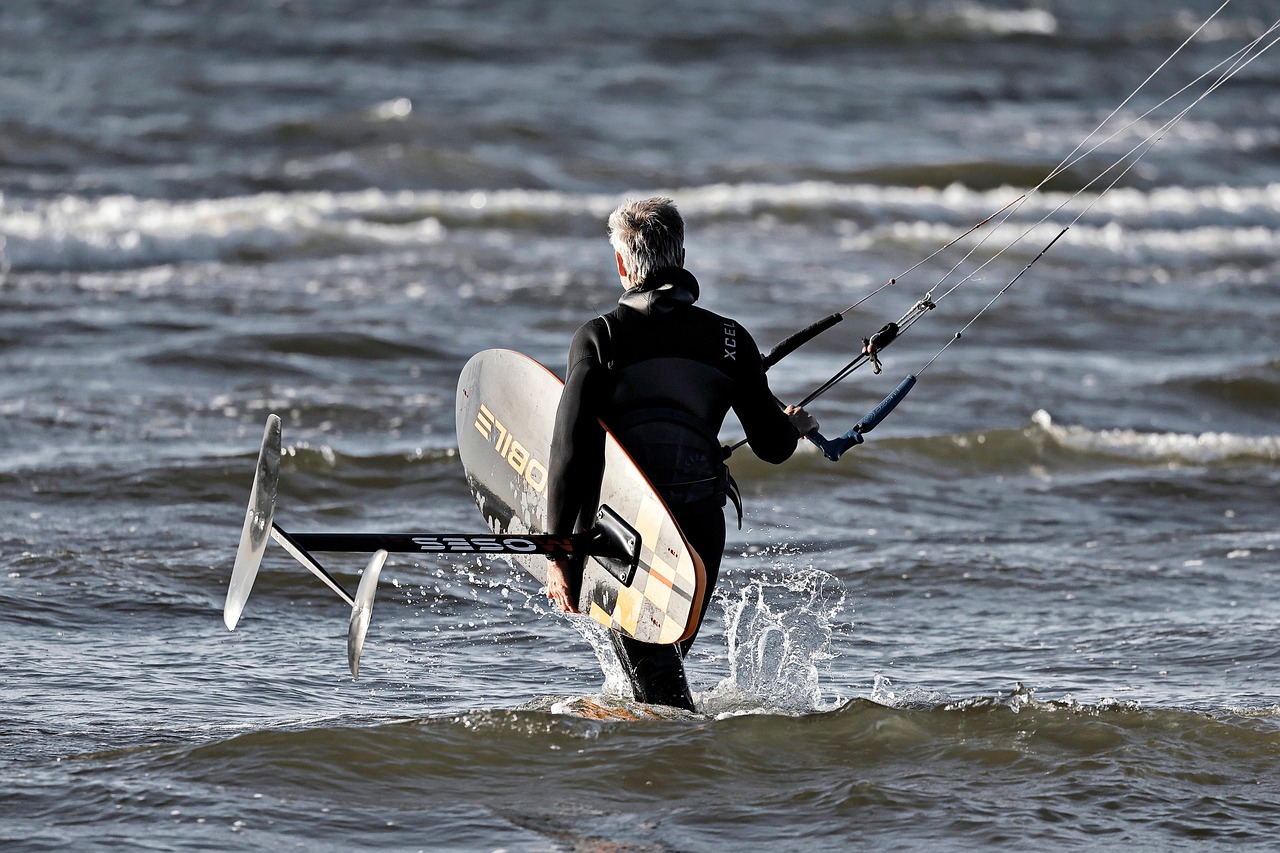
Wearing the right gear is crucial in hydrofoiling to ensure safety while maximizing performance. Start with a comfortable wetsuit that keeps you protected against cold water and potential abrasions. A durable wetsuit offers thermal insulation and prevents chafing, which is vital during long sessions. Additionally, invest in proper foot straps, as securely holding your feet allows you to maintain stability while riding. Ensure the straps are the suitable width to avoid foot fatigue or cramping. Wrist leashes can also be beneficial for added safety; these prevent loss of your board by keeping it tethered to you during unforeseen falls. Furthermore, using a bright or reflective color for your gear enhances visibility in the water. Choosing a hydrofoil compatible with your skill level is essential, as beginners should use larger foils for stability. More advanced riders can experiment with smaller, performance-oriented foils. Lastly, don’t forget about the importance of protective accessories such as knee or elbow pads. These can prevent injuries during falls, ensuring a safer and more enjoyable experience on the water.
Before hitting the water, ensure thorough preparation, which is equally important for safety. Always carry emergency supplies to provide prompt assistance in case of any incident. This includes a first-aid kit equipped with essential items like band-aids, antiseptics, pain relievers, and a rescue whistle. Assemble a communication device, such as a mobile phone or a two-way radio, to call for help when needed. Creating a safety plan with friends or fellow hydrofoilers is beneficial for effective communication in emergencies. Share your intended course, duration, and any critical contact information so that help can find you if you end up misplaced or injured. Checking for local regulations regarding hydrofoiling is also crucial. Some areas may require permits or specific safety regulations to be adhered to while operating. Stay knowledgeable about local wildlife. Tilefish, jellyfish, sharks, and other creatures can pose threats to hydrofoilers, especially in unregulated waters. Avoiding encounters with marine life is essential for maintaining a safe experience. Lastly, remember to educate yourself about the characteristics of your specific hydrofoil equipment for optimal performance and safety.
The Importance of Hydrofoil Maintenance
Regular maintenance of your hydrofoil equipment cannot be overstated. Keeping your gear in top condition is essential for safe operation, allowing stress-free experiences. After every session, rinse your gear thoroughly with fresh water to prevent saltwater corrosion and other forms of damage. Pay special attention to screws, connections, and joints, as they are weak points in the structure. Tightening any loose components ensures stability and operational safety. Consider periodic inspections performed by qualified professionals to detect potential issues early. If any parts show wear, replace them immediately before further use. Proper storage of your equipment away from direct sunlight or harsh elements prolongs its lifespan considerably. Store in dry, cool conditions for enhanced durability. Analyzing the condition of your foil, board, and leashes should be part of your routine; even small signs of damage are indications of required maintenance. Furthermore, consider using wax or relevant lubricants for moving parts to minimize friction, improving overall performance. Checking the integrity of foil pads, fins, and hardware is vital to ensure no parts will fail while riding. Proper upkeep ensures safety, performance, and longevity during hydrofoiling.
Lastly, before engaging in hydrofoiling activities, understanding the psychology of water sports can promote safety. Confidence plays a significant role in successful hydrofoiling. Building mental fortitude through consistent practice allows riders to approach challenges with resilience. A positive mindset helps in reducing the chances of panicking during falls, which is crucial for avoiding injuries. Set realistic goals for progress, reminding yourself that mastery comes with time and practice. Being aware of your limits is equally significant—acknowledge when it’s time to step back and avoid pushing beyond capabilities. Additionally, observing conditions and others in the vicinity fosters environmental awareness, which is pivotal for making sound decisions on the water. Engage in discussions with other hydrofoilers to share experiences, help build confidence, and learn from one another’s mistakes or successes. Attend hydrofoiling workshops or training sessions to stay updated about safety practices and improvements in technique. Ultimately, continuous education strengthens knowledge and enhances the hydrofoiling experience. Remember that water activities should always be fun; maintaining safety ensures enjoyable outcomes for everyone involved in this thrilling water sport.
Conclusion on Hydrofoiling Safety
In conclusion, practicing hydrofoiling safely requires a combination of proper precautions, maintenance, and mental preparedness. By adhering to essential safety measures, riders can mitigate risks and enjoy their adventures on the water. Prioritizing gear selection is vital, ensuring the utilization of a PFD, adequate wetsuit, and communication devices. Regularly check and maintain all equipment for reliability and performance. This step is fundamental in ensuring accidents do not occur due to gear failure. Additionally, adhering to safety regulations and guidelines ensures a secure environment for both experienced and novice riders. Practicing in controlled conditions fosters skill development without compromising safety. Being aware of personal limits and approaching challenges gradually enhances confidence while reducing the risk of accidents. Last but not least, instilling a safety culture among fellow hydrofoilers promotes responsible riding in shared spaces. Encourage conversations around safety practices and experiences to foster a responsible community. Hydrofoiling should be an electrifying sport, and ensuring safety allows all enthusiasts to ultimately revel in the excitement, beauty, and thrills of gliding across the water safely.