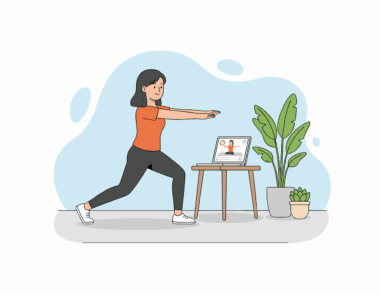

How to Prevent Injuries While Doing CrossFit at Home
Engaging in CrossFit workouts at home is increasingly popular for those seeking to improve their fitness. However, performing these high-intensity exercises improperly can lead to injuries. Preventing injuries requires an understanding of your limits and focusing on proper form. Start by assessing your current fitness level. If you’re new to CrossFit, consider beginning with scaled versions of movements. This approach helps build strength without compromising safety. Ensure your workout space is free of hazards; maintain a clear area where you can move freely. Before each workout, dedicate time to warm up your muscles. This includes dynamic stretches that mimic the exercises ahead. Warming up increases blood flow, enhancing flexibility and reducing the risk of strains. Also, invest in quality equipment tailored for CrossFit. Having gear like a jump rope or resistance bands that are suitable can make a significant difference. Regularly inspect your equipment for damages, which can cause accidents. Lastly, listen to your body and adjust workouts if necessary. If you feel pain, stop and reassess. Safeguarding your health is crucial as you progress in your training.
Technique is essential in CrossFit workouts, as poor execution often leads to injuries. To maintain proper technique, prioritize form over speed or complexity. Focus on mastering the fundamentals, and practice beginner movements such as squats or lunges until they become second nature. You should also seek guidance from trained professionals, which may include CrossFit coaches or online resources that provide instructional videos. Watching skilled practitioners can improve your form and give you visual cues to mimic. Use a mirror to monitor your posture during workouts, and adjust accordingly as needed. Record your sessions to analyze your movements and identify areas for improvement. Creating a habit of stretching and mobility work after workouts helps maintain flexibility, crucial for injury prevention. Include exercises designed for improving range of motion and relaxing tight muscles. Consider complementing your CrossFit regime with yoga or Pilates, which may enhance your body awareness. Always track your progress by keeping a workout journal. Documenting personal records and reflective notes facilitates understanding your physical reactions and guides training adjustments. Staying aware of your body’s signals translates directly to safer workouts and the ability to continue pursuing your fitness goals.
Understanding the Importance of Rest
Rest is integral to any workout routine, including CrossFit, yet often overlooked. Allowing your body sufficient recovery time is essential for muscle repair and growth. Without rest, you’ll face increased fatigue which hampers performance and raises injury risks. Schedule regular rest days each week to promote recovery. Understand that rest doesn’t mean inactivity; try participating in low-impact activities, such as walking or yoga. Cross-training helps maintain fitness levels while reducing stress on your joints. Moreover, pay attention to how you feel during workouts. If fatigue lingers or soreness persists, it’s a signal to take a break. Sleep quality is also essential for recovery, as restorative sleep facilitates healing. Aim to get at least seven to eight hours of quality sleep each night. Evaluate your diet to bolster recovery, focusing on nutritious foods that fuel your body adequately. Foods rich in protein, healthy fats, and complex carbohydrates replenish energy stores. Hydration plays a vital role as well, as dehydration can lead to cramps and decreased performance. Incorporating post-workout stretches or foam rolling sessions promotes blood circulation in muscles, enhancing recovery and reducing stiffness.
Engaging in a balanced CrossFit routine will significantly influence injury prevention. It’s crucial to include flexibility and mobility workouts as part of your overall plan. These elements will promote better movement patterns, allowing you to withstand the rigors of high-intensity activities. Incorporating strongman workouts can improve grip strength while offering variability to your training, enhancing your muscles’ overall functionality. Additionally, consider integrating core stability exercises, such as planks or bridges. A strong core supports proper biomechanics during lifts, reducing the risk of back injuries. Train alongside a buddy if possible, as a workout partner can provide motivation and valuable feedback on your form. Having someone else there allows for shared accountability, which enhances overall safety during workouts. If workout buddies aren’t an option, consider joining online CrossFit communities. They offer forums for sharing tips, advice, and experiences while providing a sense of camaraderie. Regularly recalibrating your workout regime keeps things fresh, which can enhance engagement and retention. Periodically changing workout styles or equipment contributes to physical adaptations that defend against overuse injuries, ensuring that your body remains sharp and resilient through rigorous training.
Listening to Your Body
Being aware of your body’s signals is critical during CrossFit sessions. Injuries often arise when one ignores warning signs, such as discomfort or unusual fatigue. Learning to differentiate between normal soreness and potential injury is key; if you feel pain outside of typical fatigue, it’s time to stop and evaluate your condition. Many select a comprehensive fitness and injury prevention plan designed to educate on body mechanics and movement restrictions. Understanding these concepts will aid in creating a customized workout approach that respects personal thresholds. Knowing when to modify a workout is also crucial; don’t be shy about scaling movements or adjusting loads to fit your abilities. This adjustment allows you to challenge yourself without pushing too hard. Consulting with fitness trainers periodically can help ensure you are challenging yourself adequately. Over time, this practice determines a healthy balance between pushing yourself and protecting yourself from injury. Engaging in consistent self-care practices, utilizing methods like massage therapy or physical therapy, can also hasten recovery and flexibility while preventing future issues. Taking these steps fosters long-term physical health and performance.
Nutrition significantly affects your overall fitness and injury prevention. Adequate nutrients support your body’s repair processes and energy needs during workouts. Prioritize a well-rounded diet filled with fruits, vegetables, whole grains, lean proteins, and healthy fats. These food groups supply essential vitamins, minerals, and antioxidants that combat inflammation and promote healing. For CrossFit enthusiasts, protein intake is particularly crucial as it aids muscle recovery. Consider incorporating lean meats, fish, legumes, and dairy into your daily meals to boost protein levels. Staying hydrated is equally vital since dehydration can lead to decreased performance and increased injury risks. Make it a habit to drink water before, during, and after workouts. Meal timing is also something worth considering; fueling your body with a balanced meal or snack before training can enhance performance significantly. Post-workout nutrition matters too; consume a recovery meal containing carbohydrates and protein to efficiently replenish glycogen stores. It’s not merely about consuming enough food—it’s about consuming the right types. If unsure about your nutrition needs, seeking the help of a registered dietitian specializing in sports nutrition can help fine-tune your diet and recovery strategies.
Conclusion: Embrace Safety First
In conclusion, incorporating safety measures into your CrossFit workouts will enhance your performance while minimizing injury risks. Developing a strong foundation rooted in technique, flexibility, and awareness of your body’s limits reinforces overall well-being. Invest time in warming up and cooling down, as these practices lay the groundwork for injury-free workouts. Establishing a secure and functional training environment provides an additional layer of safety, ensuring that you can focus entirely on your fitness goals. Embrace the importance of rest as a strategic part of your training, allowing your body the chance to recover and rebuild stronger than before. Prioritizing nutrition not only fuels your workouts but also plays a vital role in how your body responds to stresses during training. Listen intently to what your body tells you, adapting workouts accordingly. Seek professional guidance to elevate your fitness knowledge and efficiency. Additionally, involving yourself in communities can provide support and enhance accountability through shared experiences. Ultimately, by integrating these strategies, you can enjoy the many benefits of CrossFit while preserving your health and maximizing your endurance and strength gains.
This article has provided valuable insights. Adopting injury prevention strategies while doing CrossFit at home is essential. A balanced approach will aid your fitness journey.