
Epidemiology of Shoulder Injuries in Overhead Sports
The shoulder is crucial for athletes participating in overhead sports due to its complexity and functionality. Athletes frequently engage in actions requiring high demands on shoulder stability and mobility. Consequently, shoulder injuries are common among these individuals, impacting performance and overall well-being. Epidemiological studies show that athletes in sports like baseball, tennis, and volleyball experience a wide range of shoulder injuries. Risk factors for these injuries include overuse, muscle imbalances, and inadequate conditioning. Understanding the epidemiology of shoulder injuries focuses on prevalence, incidence, and types of injuries occurring within the population at risk. Data collection methods, including surveys and medical records, are vital for identifying trends and risk factors associated with these injuries. As more data become available, it allows health professionals to develop prevention strategies and rehabilitation methods tailored specifically for overhead athletes. Increased awareness of shoulder injuries’ etiology could lead to better management strategies. Future research should continue improving our understanding of the specific mechanics and injury mechanisms associated with overhead movements in sports. Players, coaches, and trainers must remain informed about injury risks and prevention techniques.
Shoulder injuries in overhead sports can vary from mild tendinitis to severe traumatic injuries such as rotator cuff tears or shoulder dislocations. The mechanisms leading to these injuries often correlate with the repetitive nature of overhead activities where athletes repeatedly use their arm above the shoulder. These high-velocity movements can cause both microtrauma and macroscopic damage to the shoulder structures over time. Various types of shoulder injuries include impingement syndrome, tendinitis, and labral tears, each presenting unique challenges in rehabilitation. Understanding the epidemiology involves analyzing their frequency, contributing factors, and outcomes among athletes. Research indicates that certain age groups, such as young adults aged 18-34, are at higher risk of shoulder injuries in these sports. Risk factors encompass not only physical conditioning and biomechanical aspects but also previous injury history and training practices. Athletes can mitigate risks through appropriate training regimens, emphasizing strength, flexibility, and endurance. Effective communication among athletes, coaches, and healthcare providers is essential for injury prevention. Continued efforts in research may lead to improved injury prevention guidelines and holistic approaches tailored for athletes engaged in overhead sports.
Types of Shoulder Injuries
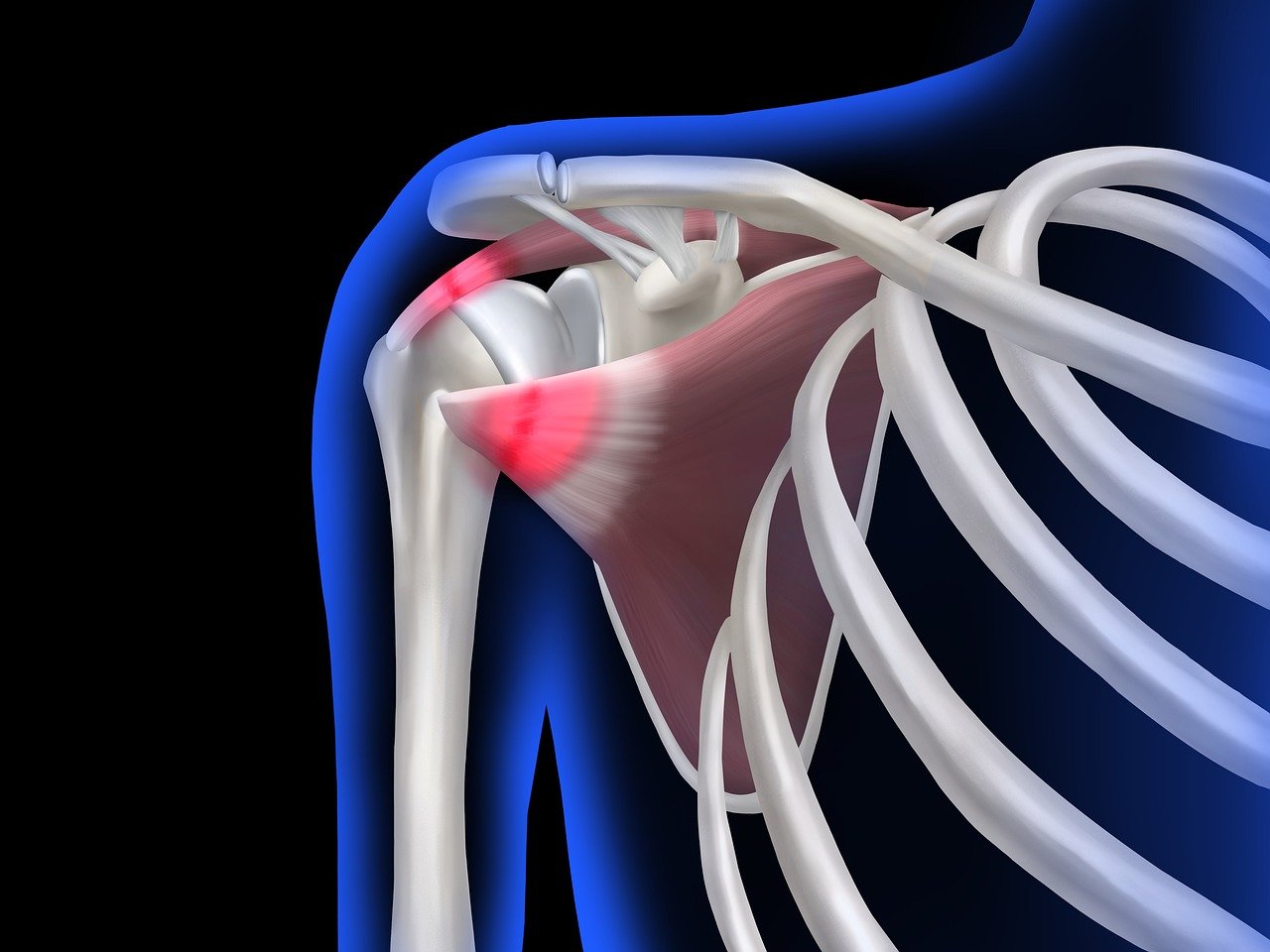
There are several common shoulder injuries prevalent among overhead athletes, each requiring a tailored approach for diagnosis, treatment, and prevention. Among these, rotator cuff injuries are the most frequent. This group of muscles and tendons stabilizes the shoulder, facilitating movement. Overhead athletes often experience tears due to excessive loading and repetitive motions. Another common issue is shoulder impingement syndrome, characterized by pain and dysfunction caused by the compression of shoulder structures during overhead activities. Labral tears, resulting from trauma or degeneration, can be especially debilitating, often leading to a sensation of instability. Bursitis, an inflammation of the bursa, may also occur, contributing to pain and limited movement in the shoulder joint. Understanding these injuries’ respective profiles helps in formulating effective management strategies. Accurate diagnosis through imaging techniques and physical examinations is crucial for developing appropriate rehabilitation plans. Once diagnosed, individualized treatment options ranging from physical therapy to surgical interventions can be considered. Athletes often benefit from multidisciplinary approaches that integrate physical rehabilitation with techniques focused on enhancing performance while minimizing future injury risks.
Injuries to the shoulder are influenced by several intrinsic and extrinsic risk factors. Intrinsic factors involve anatomical and physiological attributes unique to the individual, including flexibility, strength, and previous injury history. Conversely, extrinsic factors pertain to external elements such as training intensity and volume, equipment used, and environmental conditions. Specific sports practices, such as overtraining and improper technique, may exacerbate the likelihood of injury among athletes. Certain groups of athletes, such as those participating in high-velocity sports like swimming and baseball, are at elevated risk due to the nature of their required movements. Age also contributes significantly to injury risk, considering younger athletes tend to sustain injuries due to developing musculoskeletal systems. Attention to these multiple contributing factors can provide insight into enhancing overall safety within sports. Employing risk assessment tools and regularly evaluating athletes’ training programs can help identify potential hazards before injuries occur. Educators and trainers can promote strategies that cater to individual athletes while considering their unique risk profiles. Increasing knowledge about these risk factors is instrumental in combatting shoulder injury prevalence in overhead sports.
Prevention Strategies
Development of effective prevention strategies is essential for reducing shoulder injuries in overhead sports. Emphasis on athletes’ conditioning programs can lead to better muscular strength, flexibility, and stability. Coaches should integrate exercises focusing on rotator cuff strengthening and scapular stabilization as preventive measures. Additionally, utilizing proper warm-up routines aids in preparing the shoulder for intense physical activity, reducing associated risks. Education about technique is also critical; athletes should master correct mechanics through skill acquisition training to minimize strain on shoulder structures. Regular assessments by sports professionals can further ensure that any emerging biomechanical flaws are promptly addressed. Sport-specific injury prevention programs should involve collaboration among coaches, athletes, trainers, and healthcare professionals. Incorporating injury prevention education into training sessions fosters a comprehensive understanding of risks associated with overhead activities. Athletes can benefit from behavior modifications that prioritize injury avoidance over performance metrics. Furthermore, ongoing research into effective prevention strategies can guide coaches and athletic trainers in implementing evidence-based protocols tailored to their athletes’ needs. By fostering a proactive culture toward injury prevention, overhead sports athletes can enjoy enhanced performance and longevity in their respective sports.
The management of shoulder injuries among overhead athletes necessitates a multifaceted approach, encompassing immediate first aid and long-term rehabilitation plans. Initial management typically includes the R.I.C.E. method: Rest, Ice, Compression, and Elevation, meant to minimize inflammation and pain. Following the acute phase, comprehensive rehabilitation becomes vital. Physical therapy serves as the cornerstone of recovery, focusing on restoring range of motion, strength, and functional performance. Incorporating graduated workloads allows athletes to return to their sport safely while minimizing re-injury risks. Collaborative management involving coaches, athletic trainers, and rehabilitation professionals is pivotal. Establishing communication across these stakeholders ensures a holistic approach that addresses both physical and psychological aspects of recovery. Implementing progressive return-to-play protocols is crucial, allowing athletes to re-engage with their sport while being monitored for optimal recovery. Additionally, psychological support may enhance athletes’ resilience and coping mechanisms during rehabilitation. By addressing physical and emotional factors, athletes can enjoy a smoother transition back to competition. Understanding the complexities of shoulder injuries and adhering to guided management practices supports athletes in sustaining their athletic careers and enhancing performance.
Future Directions in Research
Future research on the epidemiology of shoulder injuries in overhead sports is vital for continued improvements in prevention and management strategies. Investigating the underlying mechanisms behind these injuries allows the development of sport-specific interventions and insights into their long-term effects. Studies analyzing the impact of training, across various skill levels and age groups, can provide crucial data. There is a growing interest in understanding the psychological and environmental influence surrounding injuries. Research focusing on the role of athlete psychology may illuminate how mental factors contribute to injury incidence and recovery processes. Additionally, it is essential to evaluate the effectiveness of diverse rehabilitation methods, comparing traditional approaches with innovative therapies such as injury-specific strength conditioning. Moreover, exploring genetic predispositions for certain injuries will enhance individualized treatment plans. Emphasizing interdisciplinary collaboration among sports scientists, physiotherapists, and psychologists fosters comprehensive understandings of injury dynamics. Enhanced awareness and knowledge dissemination about shoulder injuries in overhead sports among stakeholders can encourage proactive measures. Continuous exploration and adaptation are imperative to keep pace with evolving sports practices and improve the health and performance of athletes.
In conclusion, shoulder injuries represent a significant concern in overhead sports due to their varying complexities and impact on athletic performance. Understanding the epidemiology surrounding these injuries is paramount for their effective prevention and management. By addressing risk factors, employing appropriate training techniques, and promoting rehabilitation strategies, there is potential to reduce the incidence of shoulder injuries among athletes. Multi-disciplinary approaches involving coaches, trainers, and healthcare professionals are essential for optimizing athletes’ safety and well-being. Future research plays a critical role in uncovering new insights into shoulder injuries and developing evidence-based practices tailored to specific sports. Ensuring that athletes are aware of the necessary precautions can empower them to take proactive roles in their health. Collaboration among all stakeholders, including athletes themselves, is vital for fostering an environment that emphasizes safety and injury prevention. As knowledge of shoulder injury epidemiology advances, it has the potential to create lasting impacts on athlete performance and overall career longevity. Ultimately, a research-guided approach will contribute to sustaining the physical health of athletes engaged in overhead sports and promote their continued success.