
Are Supplements Necessary for Beginners in Fitness?
If you’re just starting your fitness journey, you might wonder whether supplements are necessary for your success. Many beginners get overwhelmed by the numerous options available, but understanding your body’s needs is key. Initially, it’s essential to focus on a well-balanced diet, as it provides the nutrients required for energy and recovery. Supplements can play a supportive role, but they are not substitutes for a solid food foundation. The nuances between whole foods and manufactured supplements are significant. While the latter offers convenience, whole foods offer a broader spectrum of nutrients, essential for overall health. Still, some beginners may benefit from specific supplements, such as protein powders to aid in recovery or multivitamins for nutritional gaps. The real question is whether these advantages outweigh their costs and potential side effects. Consulting with a healthcare professional can provide personalized recommendations based on an individual’s goals and dietary habits. Understanding these distinctions can elevate your training regime, leading to better overall results. Ultimately, the key to fitness lies in balance and awareness, so ensure your nutrition aligns with your objectives as you progress.
Focusing on whole foods, such as fruits, vegetables, lean proteins, and healthy fats, should be a beginner’s main priority. These foods not only fuel workouts but also contribute to recovery and muscle growth. Supplements should ideally complement your dietary choices, addressing specific deficiencies or enhancing performance. Many popular fitness regimes emphasize protein intake, particularly post-workout, which can be challenging to achieve solely through food. Hence, protein supplements can provide a practical solution. With a plethora of options available, it’s crucial to choose reputable brands that align with your health goals. Additionally, hydration shouldn’t be overlooked; water is a vital component for efficiency during physical activity. Furthermore, other supplements such as creatine or branched-chain amino acids (BCAAs) can also offer potential benefits, but they should be approached with caution. Beginners might find it helpful to maintain a food journal, tracking changes in energy levels and recovery in response to dietary adjustments. This practice can offer insights into what actually works for your body, reducing dependency on unnecessary supplements. Building a strong nutritional foundation can lead to sustainable fitness habits that last well beyond initial goals.
Understanding Nutritional Needs
Every person is unique; hence, nutritional requirements may vary significantly among individuals. Beginners must recognize their personal fitness objectives and tailor their nutrition accordingly. It is common for new fitness enthusiasts to gravitate toward trendy diets or popular supplement regimens, but it’s crucial to discern whether these strategies fit individual needs. Working with a registered dietitian can facilitate a deeper understanding of personal needs, particularly in a beginner’s fitness journey. They can help in devising a nutrition plan that not only fuels workouts efficiently but also complements recovery routines. Many beginners also overlook essential nutrients, such as omega-3 fatty acids, which are vital for reducing inflammation and promoting overall health. Moreover, the importance of vitamins and minerals should not be underestimated, as they play varying roles in bodily functions. Understanding macronutrients—carbohydrates, proteins, and fats—is equally important. This balance varies according to the type of workout and personal fitness goals, whether they be weight loss, muscle gain, or endurance improvement. Sport-specific requirements often demand tailored approaches, and here, the role of supplements can potentially shine, but only when strategically employed.
The mindset around supplements should focus on enhancing performance and aiding recovery rather than relying on them as crutches. Many beginners fall into the trap of assuming that taking supplements can magically produce results without proper training and nutrition. This misconception can lead to disappointment and frustration. It’s essential to instill a balanced perspective, promoting the understanding that supplements should complement but not replace nutritious eating habits. Crafting a strong routine that includes progressive workouts, adequate rest, and a balanced diet is vital. Many find success by engaging in meal planning, which helps ensure they consume a variety of nutrient-dense foods daily. It is important for beginners to monitor how their bodies respond to dietary changes over time. Building this awareness aids in making informed choices, ultimately leading to better outcomes. It could also be worth exploring online resources and communities for additional support and motivation. Finally, as you progress, re-evaluating your nutrition periodically can offer insights into whether supplements might become more beneficial as your fitness journey develops.
The Role of Protein Supplements
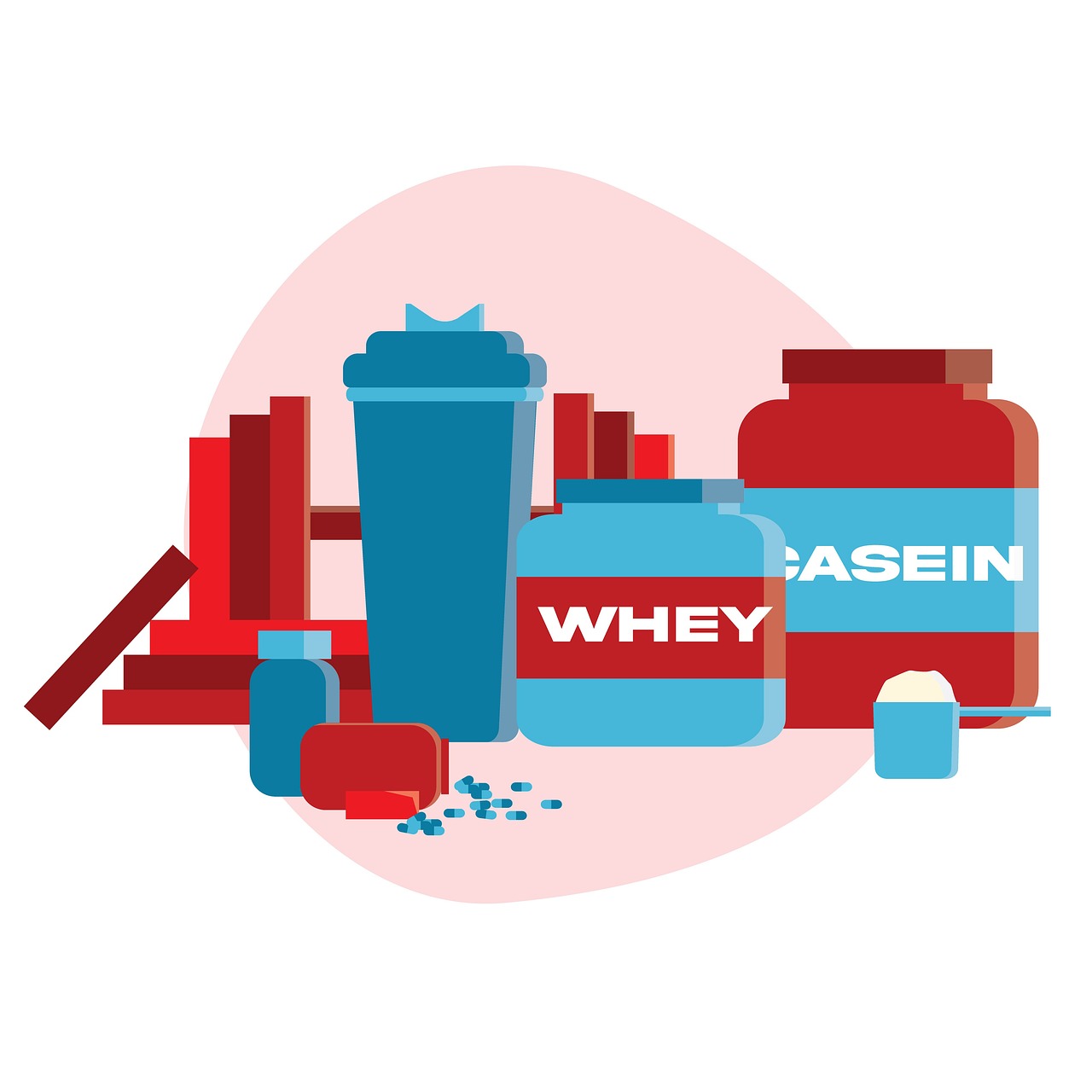
Protein is often considered a cornerstone for fitness enthusiasts, playing a critical role in muscle recovery and growth. For beginners, meeting protein requirements through whole foods can sometimes be challenging due to busy schedules or limited culinary skills. Thus, incorporating protein supplements can be a convenient solution, especially post-workout. They offer an efficient way to help achieve desired protein intake without consuming heavy meals right after exercising. However, it is essential to remember that not all protein supplements are created equal. While whey protein is popular for its quick absorption, plant-based options cater to various diets and often contain additional health benefits. Beginners should evaluate their choices based on their dietary restrictions and personal preferences. It is also important to consume protein evenly throughout the day, aiding better muscle synthesis and recovery. Initial use of protein supplements can help individuals gauge their response to higher protein intakes before relying solely on food sources. However, finding the right balance between supplements and whole foods ensures that your diet remains diverse, ultimately supporting better overall health.
While considering supplements, it’s important to acknowledge the potential side effects that some products may have. Beginners should approach supplementation cautiously, starting with lower doses and observing how the body reacts. Some individuals may experience gastrointestinal discomfort or allergies to specific ingredients, highlighting the importance of checking labels. Reading reviews and seeking feedback from experienced trainers or other fitness enthusiasts can provide additional insights when selecting the right supplements. For those enthralled by the supplement industry, understanding that effective marketing may sometimes overshadow the actual benefits is vital. Many products play on the desires of newcomers eager to see results quickly. A practical strategy is to prioritize supplements that have robust scientific backing, rather than chasing fads. Additionally, the practice of discussing any supplementation with a healthcare provider prior to starting is ideal, ensuring informed decisions. Lastly, keeping up-to-date with emerging research in nutrition and workout supplementation can enhance your overall understanding, allowing you to make informed choices. Remember, no single supplement magically yields success; it requires commitment, patience, and a personalized approach.
Conclusion on Fitness Supplements
In conclusion, while supplements can offer benefits, they shouldn’t overshadow the fundamentals of a nutritious diet and effective training regimen. For beginners, it remains crucial to instill habits that revolve around healthy eating behaviors while exploring how supplements can fit into their lifestyle. Starting with whole foods helps build a strong foundation, which can be enhanced with select supplements based on individual needs. By prioritizing balanced nutrition, gaining awareness of personal goals, and eventually adapting to nutritional demands, beginners can set themselves up for lasting success in fitness. Engaging in education about dietary needs and supplement choices aids in developing a personalized strategy. The ultimate goal should be to create a sustainable and enjoyable approach to fitness, focusing on what works best for each person. There’s no one-size-fits-all answer, so listen to your body. As fitness journeys progress, refining dietary and supplementation practices will become essential tools. Remember to keep evaluating your practices, maintaining an openness to adjusting strategies as you gain more experience along the way.
Embarking on a fitness journey is a significant commitment, and understanding how supplements can play a role may enhance your effectiveness. By aligning your nutritional strategies with personal goals, along with healthy reliance on supplements, achieving desired results becomes not only possible but enjoyable too. With knowledge and preparation, you can maximize your training and truly make your fitness aspirations a reality.