
Bodyweight Exercises Focused on Shoulder Rotator Cuff Strengthening
The rotator cuff, essential for shoulder stability and mobility, comprises four muscles that require regular strengthening. Bodyweight exercises play a vital role in enhancing these muscles’ strength without any weights. To target the rotator cuff effectively, incorporating movements that increase both strength and flexibility is important. Common issues like soreness and injuries often stem from a lack of muscle engagement in this area. Incorporating targeted bodyweight exercises can alleviate these problems. When performing these movements, focus on maintaining proper form to maximize effectiveness while minimizing the risk of injury. Begin with mobility exercises that serve to warm up your shoulders, preparing them for strength training. Initiating with warm-ups ensures that the muscles are actively engaged and ready for more intense activity. Understanding your own body’s limits is crucial during training. Bodyweight exercises can typically be scaled to match your skill level, allowing progressions as you become stronger. For beginners, starting with fundamental movements is recommended. Over time, increase the difficulty by adjusting body angles or adding variations. Consistent practice can lead to improved shoulder function and overall athletic performance.
One of the best exercises for rotator cuff strength is the shoulder external rotation. This movement emphasizes the importance of controlled motion. This exercise can be performed with resistance bands attached to any sturdy object. Begin by standing sideways to the anchor point of the band, positioning the band in the opposite hand. With your elbow bent at a 90-degree angle, pull the band away from your body, engaging the rotator cuff muscles. Ensure that your elbow remains close to your torso throughout the motion. Aim for three sets, performing 12 to 15 repetitions per set. This exercise not only strengthens the rotator cuff but also promotes shoulder stability, which is crucial for any upper-body activity. Additionally, this exercise helps prevent injuries related to overhead movements. Maintaining consistent practice will yield positive results over time. Be sure to progressively increase resistance as you become stronger. Pair this exercise with stretches that focus on shoulder flexibility for comprehensive training. Hold each stretch for 15 to 30 seconds, repeating for two to three rounds. Prioritizing both strength and flexibility is key for shoulder health.
Incorporating the Scapular Wall Slide
The scapular wall slide is another effective bodyweight exercise for strengthening the rotator cuff. This exercise focuses on building shoulder stability while promoting proper alignment of the scapulae. Start by standing with your back against a wall, feet slightly away from the wall. Press your lower back, head, and arms against the wall. With your arms raised at a 90-degree angle, slowly slide them up and down against the wall, keeping contact at all times. This movement not only targets the rotator cuff but also engages the upper back muscles. Perform three sets of 10 to 15 repetitions, focusing on controlled movements. This helps improve proprioception, which refers to body awareness in space. Proprioceptive training engages your nervous system, enhancing coordination and shoulder function. Regularly including this exercise in your routine can provide significant benefits, particularly for athletes involved in overhead sports. Be mindful of limiting discomfort throughout the exercise, as it should feel challenging but not painful. Adequate recovery is essential as well. Pairing this exercise with appropriate rest ensures the muscles have time to strengthen effectively.
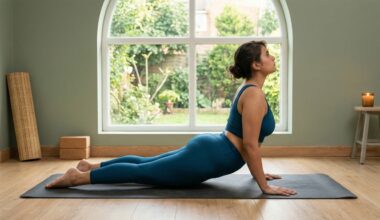
The plank to downward dog is a versatile bodyweight exercise that challenges multiple muscle groups, including the shoulders. Start in a plank position, with your hands aligned below your shoulders. Engage your core and maintain a straight line from head to heels. Transition into downward dog by raising your hips towards the ceiling while pressing your heels towards the floor. This shift strengthens the shoulders while also improving flexibility throughout the entire body. Maintain a steady breathing pattern throughout the exercise for ongoing oxygen flow to the muscles. Hold each position for five breaths before alternating back to plank. This movement encourages coordination and core stability, elements that are beneficial for athletes. Aim for three sets of five repetitions, gradually increasing the number of sets as you develop strength. Incorporating variations such as side planks or extended holds will add challenge and variety to your routine. Always listen to your body and communicate with a coach or trainer for best practices. Proper technique is essential for safety and effectiveness. Gradually increasing difficulty aids long-term shoulder strength gains, helping to prevent injuries.
Incorporating Push-Up Variations
Push-ups are a fundamental bodyweight exercise with numerous variations that specifically target the rotator cuff. Including these can vastly improve shoulder strength and endurance. A standard push-up involves lowering the body toward the ground while maintaining a rigid plank position. To make it more rotator cuff-focused, try push-ups performed with a narrower grip or by elevating the feet. This variation shifts more weight onto the shoulders, demanding greater engagement from the rotator cuff muscles. For added difficulty, incorporate explosive movements like clap push-ups. This helps train reactive strength and stability. As you progress, enhance your push-up routine further by introducing one-arm elevated variations or stability ball push-ups. Aim for three sets of ten repetitions for each variation, or until muscle fatigue is effectively reached. Maintaining proper form during any push-up modification is crucial; aching shoulders indicate a need to reassess form or volume. Ensure your shoulders remain relaxed and not shrugged up towards the ears. Regular push-up practice builds foundational strength for various sports and activities, facilitating ongoing athletic growth.
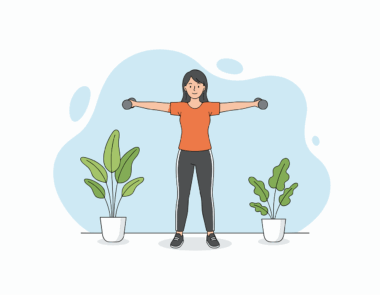
Another effective exercise method for fortifying the shoulder rotator cuff is the Y-raise. This movement focuses on upper back strength while directly engaging rotator cuff muscles. Start by lying facedown on an exercise ball or bench, allowing your arms to hang down. With your thumbs pointed outward, raise both arms in a Y shape. Aim to lift your arms while squeezing the shoulder blades as you elevate, ensuring controlled and deliberate motion. Following the Y-raise, transition into the T-raise to further challenge the muscles. With arms extended straight out to your sides, again maintain proper posture by squeezing the back muscles together. Completing both the Y- and T-raises builds muscular endurance in the rotator cuff region. For optimal results, perform three sets of 10 to 15 repetitions for each variation. Implement these exercises during resistance training days to enhance shoulder stability and alignment. Stretching afterwards should accompany strength-building sessions to counteract any tightness. Balancing strength with flexibility promotes health for the shoulder joint and enhances overall athletic performance.
Conclusion: Prioritizing Shoulder Conditioning
Incorporating bodyweight exercises focused on rotator cuff strengthening is essential for overall shoulder health and performance. A well-rounded regimen that incorporates multiple movements targeting the shoulder girdle provides balanced conditioning. Regular practice can subsequently lead to not just improved strength but also increased flexibility and mobility. Understanding your body’s unique needs can allow for tailored programs to prevent injuries effectively. Utilize the exercises detailed here to create a robust and purposeful training routine. Always listen to your body’s feedback, adapting exercises as required. Ensure you are also utilizing proper nutrition and rest periods, key components in recovery and muscle growth. Movie on to additional recovery modalities such as foam rolling and stretching. Seeking advice from experienced trainers or physiotherapists can further refine your shoulder strengthening journey. Ultimately, the path to healthier shoulders involves dedicated practice and assessment. Commit to a consistent training schedule and approach every session with the intention to improve. With the implementation of these bodyweight exercises, you can look forward to enhanced athletic performance and injury prevention.