
Training and Certification: Becoming a Licensed Paraglider Pilot
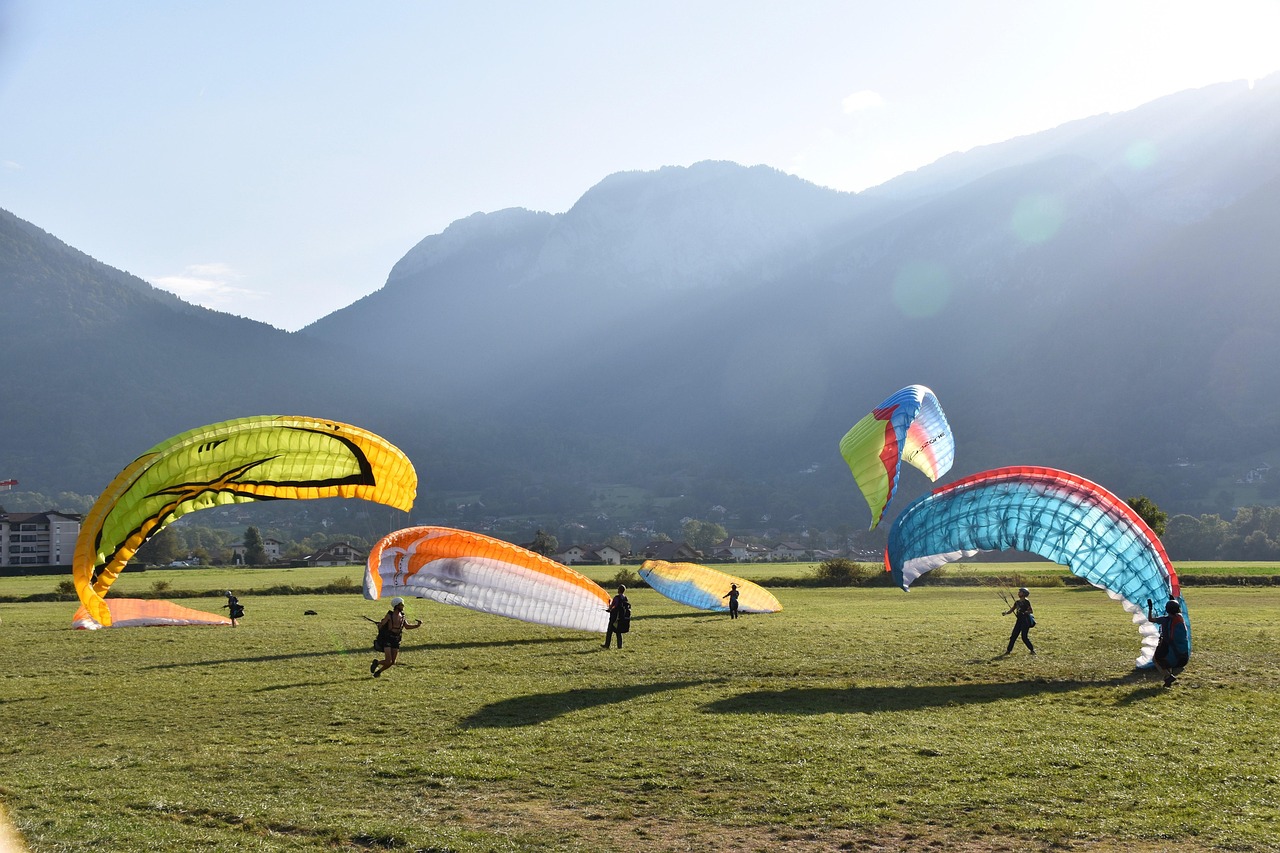
Paragliding is an exhilarating outdoor adventure sport that attracts many enthusiasts globally. If you’re considering becoming a licensed paraglider pilot, the journey begins with comprehensive training to ensure safety and proficiency in flying. The first step involves choosing a reputable flight school, as well-trained instructors play a critical role. These certified schools offer structured courses that cover essential theory and practical flying skills. You’ll learn about equipment, weather conditions, flight dynamics, and emergency procedures. Enrolling in a course often means several lessons, combining ground school with hands-on flying experiences. Emphasis is placed on understanding how to handle various situations while in the air. Additionally, students participate in tandem flights with instructors before flying solo. After mastering the basics, progression is essential. This will occur at your pace, focusing on gaining confidence and handling advanced techniques. Pilots can experience numerous training environments, such as hills and mountain regions, that challenge and enhance skills progressively. Completing the training requirements is crucial for obtaining certification, which is regulated in many countries by their aviation authorities and ensures that paragliders have the necessary knowledge and skills to fly safely.
After completing your training, the next step involves obtaining certification to fly independently. Certification typically requires passing both a written exam and a practical flight test administered by your instructor or a designated examiner. The written test assesses your understanding of theoretical knowledge, including meteorology, navigation, regulations, and paragliding equipment. The practical test evaluates your flying skills, demonstrating not only technical flying abilities but also decision-making in the air. It is essential to practice thoroughly to ensure success. The combination of theoretical and practical knowledge prepares you for challenging conditions that may arise during flights. In some countries, obtaining a license also involves maintaining a logbook detailing your flying experiences, both solo and supervised. This helps ensure that pilots meet the required minimum of hours or flights mandated by their regulations. Furthermore, additional qualifications can further enhance your expertise in specific aspects of paragliding, such as cross-country flying or acrobatics. Many pilots pursue further education even after receiving their certification, often engaging in workshops and seminars to stay updated on evolving safety standards, technology, and improved techniques. Continuous learning is vital in ensuring your skills remain sharp.
Recreational and Professional Opportunities
Once you achieve your paragliding certification, new doors open for both recreational and professional opportunities. Many enthusiasts choose to fly for fun, exploring various locations and taking part in club activities or events. Joining a paragliding club can enhance your flying experiences. Clubs often organize group flights, competitions, and social gatherings. They also provide a network of fellow paragliders who can offer advice, share experiences, and encourage improvement. For those seeking more than just recreational flying, paragliding can also be a lucrative career path. Professionals can work as instructors, guiding newcomers through their training experiences. An instructor role typically demands additional training and certification that focuses on teaching and safety management. Being a tandem pilot is another career direction, where you share the experience with non-pilots, offering them their first paragliding flights under your supervision. Additionally, pilots can get involved in design or manufacturing of equipment. The industry constantly seeks skilled individuals for research and development roles. Whether aspiring for recreational thrills or professional pursuits, continuous training and skills refinement remain essential for success and safety in paragliding.
A significant consideration for anyone pursuing paragliding is understanding the commitment and responsibility that comes with it. Safety relies heavily on knowledge and best practices when flying. Pilots must adhere strictly to safety regulations established by aviation authorities. Factors such as weather conditions, equipment integrity, and personal fitness all play critical roles in ensuring a safe flying experience. Additionally, continuous monitoring of skills through practice is essential to staying proficient. Joining safety seminars and courses is a proactive approach to learning from experienced pilots. These platforms provide valuable insights into avoiding common mistakes and enhancing overall flight safety. Pilots should also invest time in familiarizing themselves with their equipment. Paragliders should be regularly inspected, and maintenance performed as required ensures reliability. In varying conditions, knowledge of how to make adjustments to gear is critical. Furthermore, creating an emergency action plan for unpredicted events significantly enhances preparedness. Understanding how to react effectively and calmly in emergencies also contributes positively towards overall safety. Remaining vigilant about these aspects encourages responsible flying and contributes to a positive paragliding community.
Keeping Fit and Ready for Paragliding
Physical fitness is an often-overlooked part of becoming a successful paraglider pilot. Maintaining a good fitness level enhances endurance and strength, both vital for effectively handling your gear and making safe landings. Paragliding can be physically demanding, requiring you to hike to launch points and manage your equipment. Engaging in regular exercise routines that focus on resilience is thus essential. Activities such as jogging, strength training, or yoga contribute positively to your overall physical condition. Balance and core stability are particularly important in the control of the paraglider. Incorporating flexibility training into your fitness regime can also improve comfort during various flying positions. Moreover, mental preparedness is just as crucial. Flying can induce anxiety for some individuals, making mental resilience an important attribute to cultivate. Meditation, mindfulness practices, or even speaking with experienced pilots can enhance your mental strength over time. Regular assessments of both physical and mental readiness ensure that you approach flying well-prepared for challenges. Remember, ensuring both mind and body are in harmony is key to a successful and enjoyable paragliding experience.
Paragliding presents unique challenges and risks, making it imperative for pilots to stay informed about evolving practices and regulations. Staying active within the paragliding community fosters connections that keep you updated on the latest training, equipment, and safety information. Additionally, following renowned paragliding blogs, forums, and social media pages enables you to engage with fellow pilots and share experiences. Online platforms are excellent resources for newcomers as well, offering insight into what to expect in the initial phase of the soaring journey. Attending local and national events enhances your knowledge and experience. Competitions and exhibitions often feature lectures or workshops led by experts. These events provide valuable learning opportunities while allowing you to meet new friends who share your passion for paragliding. Building a network with fellow pilots leads to discovering new flying sites and tips on getting the most out of your flying experience. Furthermore, embracing advances in technology, such as apps that promote safety or navigation aids, ensures you stay ahead of the curve, maximizing both enjoyment and safety during your adventures in the skies.
Conclusion: Embracing the Paragliding Journey
Overall, becoming a licensed paraglider pilot represents a rewarding journey filled with learning and thrills. It requires dedication, perseverance, and a commitment to safety. Enrolling in a well-structured training course and obtaining certification form the foundations of becoming an adept pilot. Complementing hands-on experience with continuous education is essential for adapting to the constantly evolving standards of the sport. The possibilities for enjoyment and career growth in paragliding are vast. Pursuing recreational flying alongside professional opportunities is not uncommon, with paths including instruction, tandem piloting, or engaging in product development within the paragliding industry. The adventure, however, extends beyond just flying. Embracing an active lifestyle, seeking ongoing education, and building connections within a community are all integral aspects that enhance your experience. Remember to prioritize both mental and physical readiness, which contribute to being safe and effective while enjoying the thrill of soaring through the skies. Whether you aim to explore breathtaking landscapes or turn paragliding into a career, the journey begins with a single step, and every flight opens up new horizons.
To ensure your success, focus on active participation within the paragliding community while embracing lifelong learning and cultivating relationships with fellow flyers. The key to enjoying paragliding lies in blending education with practical experience, continually pushing boundaries, and challenging yourself to excel. Each flight becomes an opportunity for growth, self-improvement, and the sheer adventure of exploring nature from above. Paragliding, indeed, holds the promise of unforgettable experiences that inspire, thrill, and unite enthusiasts worldwide. By committing yourself to this incredible journey, you join a global community enriched by passion, camaraderie, and a love for adventure. Don’t forget to document your evolution as a pilot, cultivating your logbook filled with memories, lessons, and achievements. Every flight tells a story, and with each new page, you celebrate the progress you’ve made while embracing the future ahead. Paragliding illuminates the spirit of adventure and exploration, allowing you to discover breathtaking views and exhilarating sensations while always prioritizing safety and responsibility.