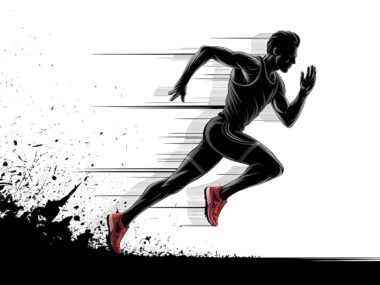

Enhance Your Running Form for Triathlon Success
Running technique is essential for triathletes aiming for success in races. Proper form not only helps enhance performance but also minimizes the risk of injury. To improve your running technique, focus on key elements such as posture, stride length, and cadence. An upright posture allows effective breathing, while a slight forward lean can generate momentum. Keeping your arms relaxed at your sides enhances balance and coordination. Furthermore, practicing drills can help reinforce good habits. You should incorporate drills like high knees, butt kicks, and strides into warm-up routines, making them fun and productive. Additionally, attention to footstrike plays a crucial role in your performance. Strive for a midfoot strike that promotes efficiency and reduces impact forces. During runs, try to maintain a cadence of around 180 steps per minute for optimal speed. It’s important to listen to your body during these sessions. If anything feels off, adjust your technique. Incorporating various types of runs, such as intervals, tempo runs, and long runs, will not only make training enjoyable but also develop your overall efficiency and endurance as a triathlete, resulting in enhanced performance.
Key Techniques for Effective Running
To further enhance your running form, consider working on specific techniques that can elevate your performance. Remember that running is a skill that can be honed with practice and dedication. First, focus on maintaining a steady breathing rhythm. Deep belly breaths can fuel your muscles and help you maintain stamina over long distances. You should also engage your core, as a strong trunk stabilizes the pelvis while minimizing energy wastage. This allows your legs to move more freely. Remember to maintain a rhythmic upper body movement by rotating your arms back and forth comfortably. The motion should feel fluid and not restrict your stride. Another important aspect is building flexibility and strength in your legs. Incorporate strength-training exercises like lunges, squats, and calf raises, with regular stretching routines for your hamstrings, calves, and hip flexors. This combination will help prevent injuries and improve your range of motion. Additionally, consider running on various terrains to adapt to different conditions. Trail running, for instance, can strengthen stabilizing muscles, leading to better balance and control during races, ultimately enhancing your overall performance.
Fueling your body properly is key to improving your running style and performance. Nutrition plays an important role in recovery and endurance, especially during long training sessions or competitions. Focus on a balanced diet rich in carbohydrates, proteins, and healthy fats. Carbohydrates provide the energy needed for sustained efforts, while proteins facilitate muscle recovery and growth. Consider incorporating electrolyte drinks during long workouts to maintain hydration and replenish essential minerals. Additionally, practice self-care routines that include regular stretching, foam rolling, and massage therapy. These practices help reduce muscle tension, improve recovery times, and prepare your body for more rigorous training sessions. A strong support network of teammates, coaches, or friends can greatly enhance motivation and accountability. Share your goals and progress with others who have similar interests. This can make training more enjoyable and create a sense of community. As you dive deeper into your training regimen, track your progress to identify what’s effective. Journals, running apps, or wearable GPS devices can help you analyze improvements to your running efficiency. Remember, each incremental gain in technique can lead to significant overall improvements in your race performance.
Incorporating Technology into Training
Technology can be a valuable ally in your journey to improve running technique. Monitoring tools like fitness trackers and smartwatches provide important data on pace, distance, cadence, and heart rate. Use this data to analyze your runs and adjust your training plan accordingly. Additionally, consider video analysis for providing visual feedback. Recording yourself while running allows you to identify form weaknesses or other areas for improvement. There are various apps available that can help you break down your running style frame by frame, revealing insights you might miss while running. Don’t forget about the importance of appropriate footwear. The right shoes can greatly influence your running efficiency and comfort. Choose running shoes that cater to your foot type and gait, as this can minimize the chance of injuries. Many running stores offer gait analysis to help you find the perfect fit. Regularly replacing your shoes based on mileage recommendations should be part of your routine. Lastly, engaging with online communities focusing on triathlon training can provide additional tips and motivation, creating a supportive environment as you work toward enhancing your running form.
As you continue to improve your running technique, focus on setting realistic, attainable goals. Break down your training objectives into manageable milestones. Setting specific targets will keep you motivated and ensure steady progress. For example, aim to improve your cadence by increasing it by 5% over the next month. Celebrating these small victories will maintain your enthusiasm and commitment to the process. Also, remember to cultivate a growth mindset. Understand that making mistakes is part of the learning journey. Embrace challenges, as they will ultimately lead to improvement. This mindset is essential in triathlon training, where many factors will test your limits. Effective recovery strategies should also be prioritized. Make sure to allocate time for rest days, as they are crucial for muscle repair and growth. Furthermore, sleep plays a significant role in recovery. Aim for 7-9 hours of quality sleep each night to ensure optimal performance during training sessions. Incorporating cross-training such as swimming or cycling can also enhance your running power and endurance. This variety not only keeps workouts engaging but ensures your body is conditioned comprehensively for multi-sport competitions, setting you up for success in triathlons.
Analyzing Race Performance
Once you’ve implemented improvements in your running technique, take time to analyze your performance during races. Look at your race strategy, pacing, and nutrition to understand what worked well and what can be adjusted for future events. Review race day experience and reflect on areas where you excelled or faced challenges. Analyzing your race data can yield valuable insights. Pay attention to splits corresponding to various segments of the race to gauge pacing consistency. Were there moments where you felt strong, or were there sections that felt unnecessarily taxing? Developing an effective race plan can enhance your results. For instance, consider starting conservatively to prevent early fatigue, gradually increasing your effort over the course of the event. Additionally, pay attention to your nutrition strategy during races. Test different approaches during training to identify what fuels your body effectively, such as gels or sports drinks. Incorporating positive self-talk and visualization techniques can significantly impact race day performance. Visualize yourself running efficiently and cross the finish line strong. This mental preparation can bolster your confidence as you combat the physical challenges that arise in triathlons.
In conclusion, enhancing your running form is essential for achieving success in triathlons. It requires consistent effort, dedication, and a focus on the techniques that contribute to improved efficiency and performance. By addressing aspects such as posture, cadence, and technique, you can minimize the risk of injuries and maximize your race potential. Remember the importance of cross-training and building strength to support your running endeavors. Stay engaged with technology, analyze your performance, and don’t hesitate to reach out to others for support and motivation. Maintain a positive mindset and set realistic goals, ensuring that you celebrate all achievements along the way. Embrace the journey, and remember that gradual progress is a vital component of success. Your triathlon journey will be demanding, but it is also rewarding. As you apply the strategies discussed throughout this article, you will not only enhance your running technique but also develop confidence in your abilities. Ultimately, improving your form leads to enhanced performances and greater enjoyment of the sport. So lace up your shoes, hit the trail, and embrace the thrill of triathlon training with improved running technique!