
Building Strength with Gymnastics Elements in Calisthenics
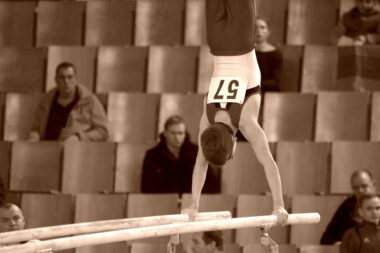
Calisthenics, a form of bodyweight exercise, emphasizes strength using various movements that target multiple muscle groups. By incorporating gymnastics elements, calisthenics practitioners can elevate their training intensity and achieve impressive feats of strength and control. Elements like the handstand, muscle-up, and planche not only challenge your physical capabilities but also develop coordination and balance crucial in calisthenics. Starting with foundational skills is essential before progressing to more advanced gymnastics techniques. Begin with basic push-ups and pull-ups, building strength while mastering your body weight. As you gain proficiency, you can slowly introduce gymnastic movements. For instance, practicing vertical holds and static positions can lead to better performance in dynamic exercises. Progressive overload remains vital; increase the difficulty or depth of the movements over time. Also, maintain consistency in your training regimen for optimal results. Proper nutrition and rest are equally contributory factors that influence strength gains. Explore various training routines that emphasize gymnastics elements, ensuring balanced muscle development and minimizing injury risks. Ultimately, merging gymnastics with calisthenics can dramatically improve your overall functional strength and athletic performance.
An essential component of developing strength through gymnastics elements is the emphasis on core stability. Gymnastics movements, such as the L-sit or front lever, engage various core muscles, which are pivotal for maintaining body control. A strong core ensures proper body alignment during exercises. Engaging the core effectively prevents injuries and improves efficiency across all movements executed in calisthenics. You can enhance your core strength through specific exercises, such as planks or hollow body holds. Practicing these foundational movements helps in mastering the gymnastic elements in your routine. Furthermore, integrating isometric holds in your training fosters additional strength and stability. Incorporating routines that combine both dynamic and static movements leads to superior strength gains. Incorporate mobility exercises to enhance flexibility and joint health, which support muscle growth. Research shows that flexibility directly contributes to the ability to perform advanced gymnastics skills safely. Adequate warm-ups and cooldown periods remain essential, allowing time for the body to adapt to various intensities. Therefore, broadening your workout to include these elements will ensure comprehensive athletic growth, paving the way for successful calisthenics practices. You will witness noticeable strength gains and progression in gymnastics elements over time.
Progressing with Gymnastics Elements
Introducing gymnastics elements into your calisthenics practice is an excellent strategy for achieving advanced strength goals. Focus on specific skills within gymnastics such as the one-arm chin-up or the planche, which necessitate both strength and balance. An effective approach starts with mastering the foundational movements before advancing. Begin with skill-specific strength training, focusing on the mechanics of each element. For example, working on muscle-ups mandates a streamlined movement transition from a pull-up to a dip. Practicing transitional movements can develop the necessary strength in your upper body. Once comfortable with foundational techniques, gradually challenge yourself with variations of these skills. Maintain awareness of your body movements, ensuring optimal control and efficiency while executing the gymnastic elements. Emphasize consistency in your practice, maintaining a conducive approach to learning challenging skills. Becoming adept at gymnastics can also translate into increased flexibility and agility, critical components for achieving various calisthenics goals. Remember to utilize proper spotting techniques and safety measures when attempting new workouts. These methods provide physical and mental support as you push through the learning curve. Overall, patience and dedication are crucial when mastering gymnastics elements in calisthenics.
To facilitate your progression in calisthenics, safety practices must be a priority when engaging in gymnastics elements. As you tackle advanced skills, consider utilizing equipment such as resistance bands or gymnastics rings for added support. These tools assist you in building strength while you hone your technique without excessive strain on your body. Rings, in particular, can greatly enhance your muscle engagement during pulls and dips, resulting in greater strength development. As you alter planes of motion, ensure that each position is performed accurately to prevent injury. Maintaining a controlled form throughout your practice is essential. Partnering with fellow enthusiasts or trainers can also provide valuable feedback and motivation on your journey. Additionally, integrate recovery sessions to allow your muscles time to rebuild and adapt to the intense strain of calisthenics training. Implement stretching regimes targeting key muscle groups while focusing on the shoulders, back, and core areas. Understanding your limits is paramount as you progress through advanced elements; listen to your body and increase difficulty progressively. Safeguarding yourself not only fosters improvements but also ensures long-term sustainability in achieving strength goals.
The Importance of Nutrition
Nutrition plays a vital role in maximizing your strength gains in calisthenics, especially when integrating gymnastics elements. Building muscle requires a balanced diet rich in protein, carbohydrates, and healthy fats. Protein is particularly crucial for muscle repair and recovery. Aim to incorporate protein sources such as lean meats, legumes, and dairy into your meals. Consuming carbohydrates provides energy crucial for sustaining your workouts while supporting overall performance. Prioritize whole grains, fruits, and vegetables to fuel your body efficiently. Healthy fats found in avocados, nuts, and olive oil contribute to hormonal balance, crucial for recovery and muscle growth. Ensure you maintain hydration as well, as it impacts your natural energy levels and recovery processes. Planning your meals around your workout routines can also enhance performance; consider pre- and post-workout snacks to replenish your body effectively. Certain supplements, like branched-chain amino acids (BCAAs) and omega-3 fatty acids, may further support your training goals; however, consult a health professional before starting any new supplement regimen. Striking a balance in your nutrition not only aids strength but ensures optimal physical function needed for mastering gymnastics elements.
Aside from physical exercise and nutrition, incorporating recovery methods into your routine is crucial for optimal performance in calisthenics. Overtraining can lead to injury or fatigue, hindering progress in strength development. Allow time for muscle recovery through rest days, where you can focus on lighter activities such as stretching or yoga. During recovery periods, give your muscles time to rebuild and adapt to the stresses of training. You’ll need to pay attention to quality sleep as well; adequate rest is associated with improved overall health and enhances muscle recovery. Sleep allows the body to undergo essential repair processes and regenerate energy levels. Techniques such as foam rolling or massage therapy can alleviate soreness and tightness, further promoting recovery. Additionally, consider integrating mindfulness practices to enhance the mental aspects of training. Mental resilience is vital when tackling challenging gymnastics elements. Keeping a positive mindset can significantly impact your overall performance and motivation. Gradually building skills will alleviate feelings of frustration. Establish progress tracking to celebrate milestones, nurturing confidence as you evolve your abilities. Consistency and a comprehensive recovery plan will pave the way for ongoing advancements in gymnastics elements within your calisthenics practice.
Achieving Long-Term Goals
Setting long-term goals is essential when striving to incorporate gymnastics elements in your calisthenics regimen. Rather than fixating solely on immediate results, the focus should be on continual improvement and mastery of new skills. Make sure to outline specific, measurable, attainable, relevant, and time-bound (SMART) goals that reflect your aspirations throughout your training period. This approach fosters motivation and provides a roadmap for achieving increasingly complex movements, from basic holds to advanced routines. Reassess your goals periodically, allowing you to identify areas needing refinement or additional work. Celebrate accomplishments with every new skill mastered, regardless of size, as this can motivate you to continue striving for excellence. Engage in community and share progress with fellow practitioners who are also on their journeys in calisthenics. This support network will help you remain accountable and inspired. Remember that patience is necessary; progress may seem slow but is often exponential over time. Furthermore, keep an open mind toward learning and adjustments needed in your training. Long-term commitment to growth ensures that with diligence and consistent practice, your strength in gymnastics elements will flourish.
In conclusion, integrating gymnastics elements into calisthenics training can yield remarkable strength gains and overall athletic performance. Starting with a foundational understanding of both disciplines establishes a solid base for each advancement. Exploring skills like handstands, muscle-ups, and advanced holds ensures diversity in your training routine. Engaging the core significantly enhances stability throughout your workout while emphasizing the importance of balance in these movements. Consistency, nutrition, and recovery practices are paramount in progressing efficiently. Making safety a priority while practicing advanced routines is vital to ensure ongoing achievements without injury. Remember to embrace the mental aspect of endurance through goal-setting and mindfulness. Striking a proper balance between physical training and mental readiness will promote your success in mastering gymnastics elements. As you embark on your journey through calisthenics, remember that progression takes time but can lead to incredible strength feats. Ultimately, merging these two forms of bodyweight training can redefine your abilities and enhance your fitness journey. With determination and hard work, you will find that the strength gained through gymnastics elements will translate positively into all other aspects of your physical endeavors.