
The Role of Platelet-Rich Plasma Therapy in Sports Medicine
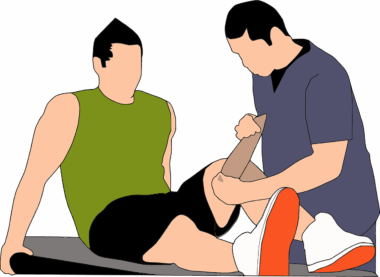
Platelet-Rich Plasma (PRP) therapy is increasingly gaining recognition in sports medicine as an effective treatment for injuries and chronic pain conditions. It involves a simple process where a patient’s blood is drawn, processed to concentrate the platelets, and then re-injected into the area of concern. The high concentration of growth factors in PRP is believed to enhance healing, reduce inflammation, and promote tissue repair. Athletes, in particular, benefit from this therapeutic option as it allows for quicker recovery times, returning them to their sport with minimal downtime. The demand for innovative treatments in sports medicine is growing, with PRP establishing itself as a viable option for various musculoskeletal injuries. This therapy has shown promise in treating conditions such as tendon injuries, ligament sprains, and osteoarthritis, with numerous studies supporting its efficacy. Furthermore, PRP therapy is minimally invasive compared to surgical options, making it appealing for athletes looking to avoid extensive recovery periods. Ensuring that athletes maintain their competitive edge is crucial, and PRP therapy has the potential to help achieve that goal effectively and safely.
Mechanism of Action of PRP Therapy
The mechanism behind Platelet-Rich Plasma therapy is centered around the inherent healing properties of platelets. When platelets are activated, they release a multitude of growth factors and cytokines that play crucial roles in tissue regeneration and repair. Among these factors are Platelet-Derived Growth Factor (PDGF), Transforming Growth Factor-Beta (TGF-β), and Vascular Endothelial Growth Factor (VEGF), which help stimulate the healing process by promoting cell proliferation and migration to the injury site. When PRP is injected into damaged tissues, these growth factors increase the activity of local stem cells and enhance the formation of new blood vessels, ensuring adequate oxygen and nutrient supply to the healing area. As a result, PRP therapy not only addresses the immediate symptoms of injury but also fosters long-term recovery by repairing and strengthening the affected tissues. Moreover, the use of PRP can significantly reduce the need for more invasive therapeutic interventions, allowing athletes to optimize their healing processes. This innovative treatment complements traditional methods, enhancing overall effectiveness in sports medicine.
The clinical applications of Platelet-Rich Plasma therapy in sports medicine are diverse. A wide variety of injuries can be treated effectively, ranging from tendonitis and sprains to more complex conditions like chronic joint pain. For instance, PRP has shown positive results in treating conditions such as Achilles tendonitis, tennis elbow, and rotator cuff injuries. In many cases, athletes who undergo PRP therapy report significant reductions in pain and improvements in functionality. Studies have even shown that PRP can substantially decrease the time taken to return to play when compared to conventional treatments. Importantly, the safety profile of PRP therapy is favorable, as it utilizes the patient’s own blood, minimizing the risks of allergic reactions or transmission of diseases. Additionally, patient satisfaction with PRP treatments is generally high, as many individuals experience noticeable improvements without the need for more invasive surgical options. This non-operative approach has made PRP a preferred choice among athletes aiming to prolong their playing careers while reducing the risk of reinjury.
Research and Effectiveness
Numerous clinical studies and trials have investigated the effectiveness of Platelet-Rich Plasma therapy in treating sports-related injuries. Some research indicates that PRP can significantly enhance recovery in conditions such as medial epicondylitis, patellar tendinopathy, and knee osteoarthritis. For example, a systematic review published in a reputable sports medicine journal found that patients receiving PRP injections displayed notable improvement in functional outcomes compared to those receiving standard treatment methods. Despite these promising findings, it is essential to note that the overall effectiveness can vary based on several factors, including the severity of the injury, the specific treatment protocol, and individual patient responses. Further large-scale randomized controlled trials are necessary to corroborate these initial findings and establish standardized treatment protocols. Nonetheless, the existing body of evidence encourages the incorporation of PRP therapy into conventional sports medicine practices. As more scientists and clinicians delve into this topic, the therapeutic landscape for athletes will continue to evolve, enhancing treatment modalities available for complex injuries and conditions.
While the potential benefits of Platelet-Rich Plasma therapy are substantial, there are challenges associated with its use in sports medicine. One notable concern is variability in the preparation and application of PRP, which can affect treatment outcomes. The techniques used to harvest and concentrate platelets may differ among healthcare providers, leading to inconsistencies in the concentration of growth factors. Moreover, the optimal injection techniques and number of required sessions remain topics of ongoing investigation. It is vital for practitioners to adopt evidence-based approaches when administering this treatment to maximize efficacy and safety. Another challenge is the need for comprehensive patient education regarding expected results, recovery timelines, and potential risks. Athletes must understand that while PRP therapy offers exciting prospects, it is not a guaranteed solution. These precautions help manage athlete expectations while promoting an informed decision-making process. Thus, as PRP therapy continues to become firmly established in sports medicine, both clinicians and patients must remain vigilant regarding protocol variations and treatment results.
Future Directions in PRP Therapy
The future of Platelet-Rich Plasma therapy in sports medicine looks promising, as ongoing research will likely unlock further insights into its applications and effectiveness. There is a growing interest in improving the preparation techniques for PRP to enhance the concentration of bioactive components necessary for optimal healing. Innovative technologies, such as automated centrifugation systems that produce consistent PRP quality, may lead to more standardized protocols and enhanced treatment outcomes. Additionally, researchers are exploring the potential of combining PRP with other regenerative medicine approaches, such as stem cell therapy and extracellular matrix injections, to further augment healing processes. Another area of exploration involves tailoring PRP treatments to individual patients based on specific injury types and biological responses. By analyzing biomarkers and personal health profiles, clinicians may identify the most effective PRP formulations for each athlete, ultimately advancing treatment personalization. As the body of evidence supporting PRP therapy continues to grow, collaborations between researchers, medical professionals, and athletes will be essential for fostering advancements in sports medicine and maximizing recovery strategies.
In summary, Platelet-Rich Plasma therapy plays an invaluable role in the field of sports medicine, providing a means for athletes to recover from injuries more effectively. With its ability to promote healing and regeneration through the natural components of blood, PRP therapy has emerged as an appealing option for various musculoskeletal injuries. Its benefits are enhanced by a favorable safety profile and a decreasing reliance on invasive surgeries. The ongoing research is essential for understanding its full potential and establishing protocols for optimal application. As clinicians continue to refine techniques and methodologies, it is crucial for athletes to remain well-informed about this treatment. Integrating PRP into clinical practice can ultimately pave the way for faster recovery and improved performance, significantly impacting the lives and careers of athlete.
Conclusion
In conclusion, the integration of Platelet-Rich Plasma therapy into sports medicine has shown remarkable promise, providing innovative ways to tackle injuries and promote healing. Whether through enhancing recovery or allowing an athlete to return to play sooner, PRP therapy is becoming a cornerstone of modern treatment approaches. The ongoing collaboration and research are vital in refining its applications, establishing protocols, and ensuring patient safety. As our understanding of regenerative medicine grows, the impact of therapies like PRP on an athlete’s recovery journey will become increasingly profound. Clinicians must adapt their practices to this evolving landscape, continuously embracing advancements in the field of sports medicine. This will not only improve treatment outcomes but also elevate the standards of care provided to athletes. The journey ahead for PRP therapy is filled with potential, and its role in sports medicine will undoubtedly enhance the overall performance and well-being of athletes in the years to come.