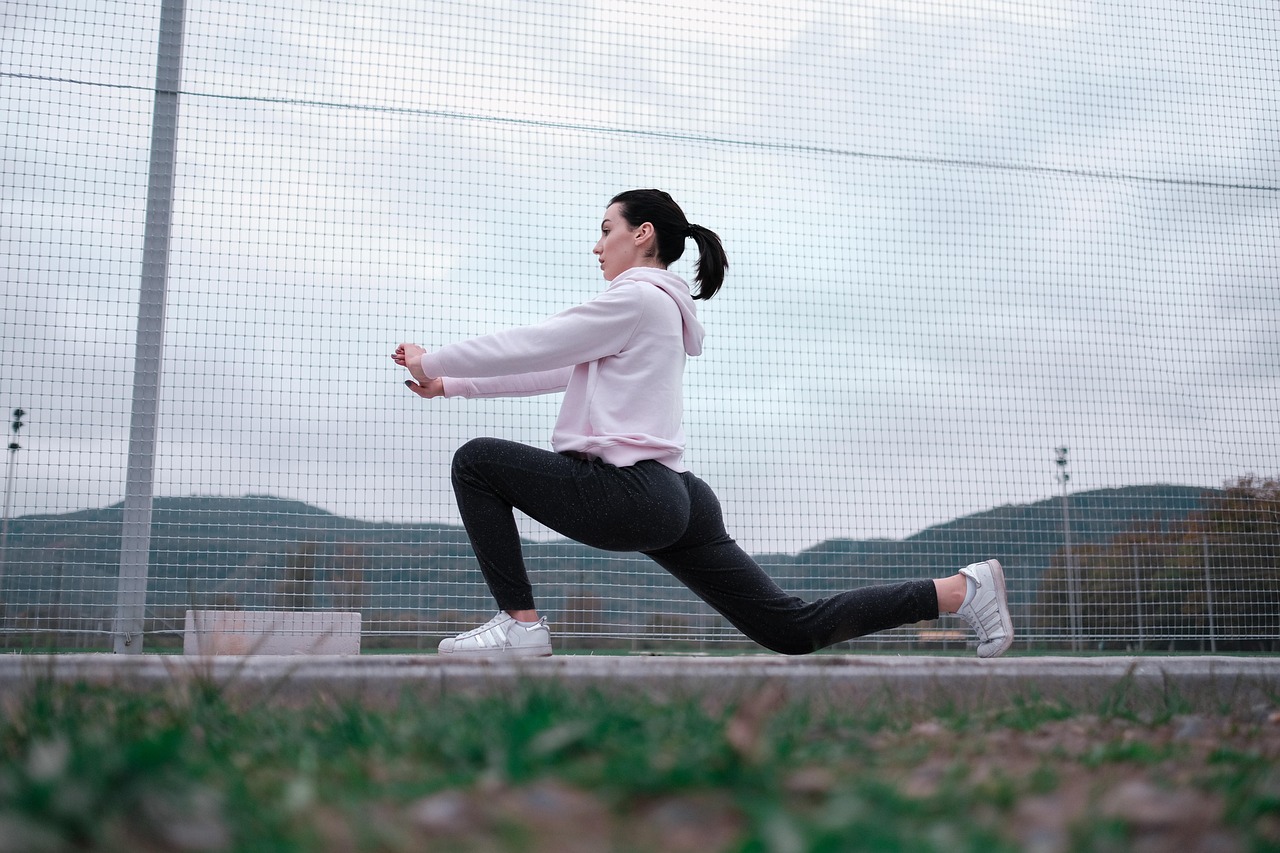

Core Endurance Training to Boost Gymnastics Stamina
Core strength is essential for gymnasts, enabling them to maintain balance, stability, and power throughout their routines. Endurance training specifically targets muscle groups that support gymnastic movements, helping athletes build stamina necessary for longer performances. With a strong core, gymnasts can execute complex skills with greater efficiency and control, reducing the risk of injury during training and competition. As they advance, the ability to sustain strength over time becomes increasingly important for achieving higher levels of performance. Athletes should focus on exercises that incorporate both static and dynamic movements, ensuring all dimensions of core endurance are addressed. Common exercises include planks, Russian twists, and medicine ball throws. Each of these drills emphasizes the importance of stabilizing muscles while executing high-intensity movements, contributing to overall performance enhancement. Incorporating these drills into regular practice helps gymnasts develop a resilient core that supports their performance across various disciplines, including floor routines, vaults, and beam work. Tailoring core conditioning programs to align with individual goals can yield significant benefits, aiding athletes in reaching their peak potential during competitions.
For gymnasts, effective training must prioritize specific challenges encountered in their sport. The integration of agility drills plays a crucial role in conditioning the core. Athletes can enhance their agility through dynamic warm-ups which prepare their muscles for intense activity. A strong core enables better performance in tumbling runs and balance beam routines, as rotating and twisting movements largely rely on core strength. In addition to traditional strength exercises, incorporating plyometric activities further reinforces muscle endurance while mimicking the explosive movements required in gymnastics. Techniques such as box jumps and explosive push-ups can be beneficial. Essentially, training should be tailored to mimic both the athletic demands of the sport and individual fitness levels. Furthermore, consistency in practice can lead to marked improvement over time. Keeping track of progress is paramount, so athletes should consider tracking their endurance levels through targeted drills. Monitoring enhancements can provide crucial motivation and inform training adjustments needed to maximize performance benefits. Utilizing feedback from coaches and peers can further foster this progression, ensuring fitness goals are aligned with competition demands for a well-rounded approach.
Importance of Nutrition in Core Training
While physical training is essential, nutrition plays an equally critical role in supporting gymnastics core endurance. Proper fueling through a balanced diet enhances performance and recovery, allowing athletes to train effectively. Incorporating plenty of fruits, vegetables, lean proteins, and whole grains can provide the necessary nutrients vital for optimal energy levels. Hydration is also paramount; dehydration can drastically impact performance and increase fatigue, especially during high-intensity training sessions. Pre-training snacks should focus on easily digestible carbohydrates and minimal fats to avoid discomfort. Consuming nutrient-dense meals post-workout aids recovery and muscle repair, contributing to sustainable performance gains. Athletes can also benefit from exploring supplements that may support their nutritional needs, but these should only be utilized with proper guidance. Understanding the balance between macronutrients is key, as adequate carbohydrates supply energy while proteins help with muscle recovery. Consulting with a sports nutritionist can provide personalized strategies to fortify these dietary practices, leading to improved strength and endurance over time. Ultimately, nourishing the body adequately complements the physical training aspects undertaken to achieve athletic excellence.
Consistency is crucial for gymnasts looking to boost their core endurance effectively. A structured training schedule helps athletes dedicate time to core conditioning while also balancing other training facets like skill acquisition and flexibility. Incorporating core exercises into a regular routine allows athletes to gradually build strength and endurance. Seek variety in training sessions, alternating between different exercises and intensities to keep the muscles challenged. Implementing circuit-style training can be particularly effective, effortlessly integrating various core exercises to maintain engagement. As fatigue sets in, athletes can learn to access different energy systems, crucial for coping with demanding routines during competitions. Specific intervals can be timed to simulate competition-like efforts while testing mental resilience. Exploring diverse training environments, such as transitioning workouts from the gym to outdoor settings, can also foster adaptability and creativity. This approach encourages gymnasts to apply their skills in unpredictable situations, adding to their overall preparedness. It’s important to remember that every gymnast’s journey is unique, and training progress may vary. Listening to one’s body and ensuring adequate rest is just as important as the training itself to optimize outcomes.
Injury Prevention and Core Endurance
Injury prevention is a vital consideration for training gymnasts, particularly regarding core conditioning. A strong core provides support for the spine and helps to stabilize the body during gymnastics movements, lessening the chance of injuries. Incorporating injury prevention techniques into core training routines is essential. This can encompass a combination of flexibility, strength, and balance exercises that focus on developing core stability and dynamic control. Functional movements, such as overhead medicine ball throws, can enhance overall strength while reducing the risk of overuse injuries commonly associated with gymnastics. Additionally, flexibility training improves overall joint function, allowing for broader ranges of motion that further prevent injuries. Implementing recovery strategies, such as stretching and foam rolling, can significantly aid recovery post-training. Monitoring for signs of fatigue or strain is crucial throughout training, helping athletes and coaches to make necessary adjustments to prevent overtraining. Prioritizing injury prevention alongside performance improvement creates a balanced approach that benefits gymnasts in their pursuit of excellence while ensuring their long-term health.
Finally, understanding the psychological component of training is essential for the holistic development of endurance in gymnasts. Mental resilience affects how athletes perform under pressure, especially during competitions when their core strength is truly tested. Mental training techniques, such as visualization and mindfulness, can enhance focus and confidence as gymnasts prepare for their routines. Visualization techniques allow athletes to mentally rehearse performances, embedding their core strength’s importance before executing skills. Practicing mindfulness further helps athletes manage stress and anxiety associated with competitive events, reinforcing the effectiveness of their physical training. Engaging in discussions about personal goals fosters a growth mindset and bolsters athletes’ resolve when facing challenges. Implementing team-building exercises can also strengthen camaraderie among gymnasts, encouraging support and cooperation. Collective motivation can provide comfort during rigorous training and competitions. Establishing positive self-talk can aid in developing mental toughness, reminding gymnasts of the hard work and dedication invested in their training. Embracing both the physical and psychological aspects of performance can greatly contribute to overall core endurance and gymnastics success.
Conclusion: Embracing Core Endurance Training
In conclusion, focusing on core endurance training is essential for gymnast performance improvement. By cultivating a strong core through structured training, intentional nutrition, and injury prevention strategies, athletes can significantly enhance their capabilities. The interplay between physical skill and psychological preparedness cannot be overlooked in a sport demanding such precision and endurance. A comprehensive approach to training that includes both strength conditioning and mental resilience will set gymnasts on a path toward success. As they learn to blend these elements, athletes will find themselves better equipped to handle the rigors of gymnastics and succeed in various competitions. Investing time and effort into core conditioning programs is not merely about physical strength but developing the complete athlete capable of excelling in their craft. Therefore, fostering collaboration among coaches, nutritionists, and sports psychologists can yield deeper insights and more effective training regimens. Ultimately, the journey of building core endurance is crucial for gymnasts, leading them to achieve their personal bests while enjoying the art and athleticism intrinsic to their sport.
The importance of core endurance in gymnastics transcends mere physicality; it embodies the commitment to success. Understanding each gymnast’s individual needs serves as a foundation from which personalized training solutions can emerge. Armoring themselves not only with physical strength but with mental fortitude will ensure that gymnasts excel in both practice and performance settings. Core endurance thus becomes emblematic of a well-rounded approach towards their journeys, improving their lives both in and outside of the gym as they grow through challenges. Embracing these principles creates a centerpiece for their lifelong dedication to the sport, fueling aspirations and dreams.