
Comparing Indoor vs Outdoor Volleyball Training Equipment
Choosing the right volleyball training equipment is vital for both indoor and outdoor practices. Each environment demands unique gear to optimize training effectiveness. When training indoors, players benefit from wearing specialized shoes designed for courts. Such footwear provides traction and support, crucial for fast movements. Additionally, indoor balls typically have a softer touch, aiding in skill development. Essential equipment includes nets and surrounding padding to ensure players’ safety during intense drills. Unlike outdoors, the indoor setting allows for controlled environmental conditions, minimizing external distractions.
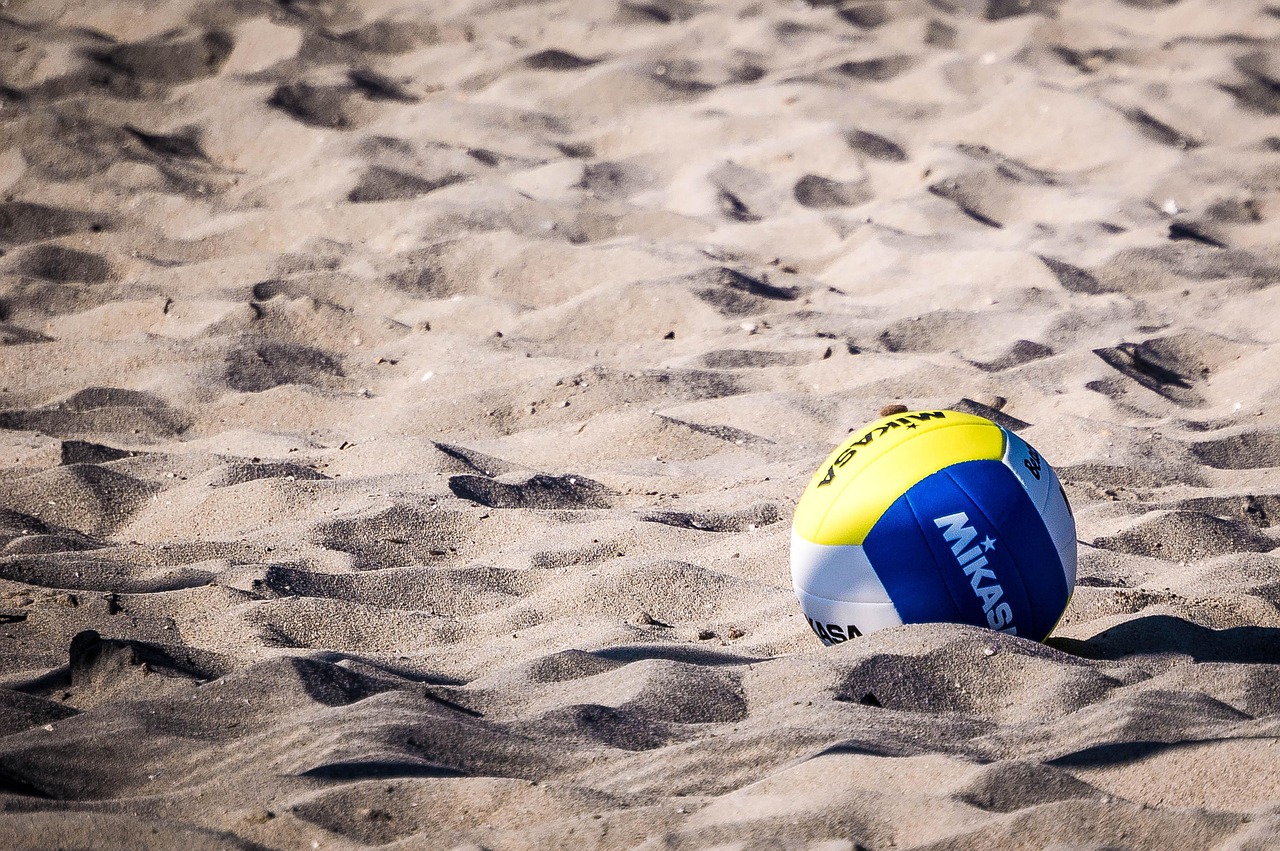
In contrast, outdoor volleyball training equipment needs adjustments for a variety of terrains. Players often use heavier sand volleyballs, which are more suited for beach or grass courts. These balls’ increased weight helps improve muscle strength while playing in sandy conditions, offering distinct benefits. Training often incorporates different types of nets designed specifically for outdoor use. Flexible and portable, these nets can be set up quickly across multiple surfaces. Players also benefit from using water bottles and sun protection gear, safeguarding against dehydration and sun exposure.
Ball Selection Differences
A crucial consideration is the type of volleyball used for indoor vs outdoor training. Indoor balls are constructed differently, often having a European-style design that emphasizes lighter weight and durability on gym surfaces. Conversely, outdoor volleyballs are crafted to withstand various weather conditions, featuring thicker outer shells. These features ensure that the ball maintains quality during play, proving resilient against sand, moisture, or wind. This durability can change player strategies, where outdoor balls often demand more powerful strikes, encouraging athletes to adjust their techniques for effective training outcomes.
Equipment also extends to safety gear. Indoor training may use knee pads and ankle supports, which protect players during fast-paced indoor rallies. Players learn to dive and slide with comfort thanks to this additional support. Conversely, outdoor volleyball players utilize specific sun safety products, such as UV protection lotion and wider sun hats to shield against sunburn. Portable shade canopies might also be essential during prolonged outdoor sessions, enabling players to rest and recover while being protected from excessive sunlight. Both types reinforce safety, aligning with the respective training contexts.
Recommended Accessories
Accessories play a significant role in enhancing volleyball training experiences both indoors and outdoors. For indoor training, equipment like agility ladders and resistance bands can improve player mobility and strength. These tools focus on developing explosive speed and overall agility. Adding cones for footwork drills enhances lateral movement, benefiting practice sessions. In contrast, outdoor training can benefit from additional items like boundary markers and portable nets, which allow for flexible practice spaces. Players can work on their serve or even set up games easily tailored to their skill levels, fostering adaptability.
Furthermore, a dedicated volleyball training program can incorporate fitness and agility training alongside traditional drills. Indoor training regimens can include strength training circuits focusing on building core muscles. Conversely, outdoor training often provides opportunities for endurance building through longer, more intense sessions in varying conditions. The physical preparedness obtained through each setting can greatly influence performance during competitive matches.
Training Environment Impact
The training environment is a pivotal aspect of effective volleyball preparation. Indoor settings often feature hardwood floors, reducing the risk of injury while allowing for fluid playing conditions. Additionally, lighting conditions are typically controlled, aiding visibility during training drills. In contrast, training outdoors brings an element of unpredictability. Wind speed and the sun’s position can influence ball movement, thus changing play dynamics, enhancing adaptability. Such varied conditions necessitate quick thinking and strategy reassessment, developing players who perform under pressure.
Ultimately, understanding the distinctions between indoor and outdoor volleyball equipment can help players make an informed choice. Trainers and players must evaluate their training preferences and environmental conditions when selecting gear. This tailored approach not only enhances skill development but also prepares athletes for unexpected challenges, whether indoors or outdoors. Continuous evaluation ensures that players remain equipped for all volleyball scenarios, guiding them towards success in this dynamic sport.