
Analyzing Video Feedback: How to Refine Your Technique
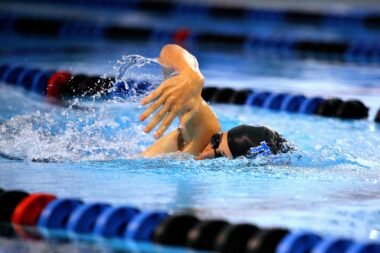
Video feedback has become an essential tool for swimmers at every level, especially for those focusing on advanced swimming drills. By analyzing technique through video, swimmers can identify areas needing improvement. This method allows athletes to see themselves in action, offering a unique perspective and helping them self-correct. Video analysis highlights faults that might go unnoticed during practice or competition. With today’s technology, recording swimming sessions is as easy as pressing a button. Swimmers can utilize smartphones or tablets to capture their strokes from multiple angles. This way, they get a comprehensive view of their performance. Once the video is recorded, it can be reviewed immediately or shared with coaches for further analysis. Coaches can provide expert feedback and suggest drills that specifically target problem areas. Swimmers can then take this critical feedback and work on specific skills. Furthermore, comparing previous video footage can illustrate progress over time, contributing to increased motivation. It leads to a gulf between potential and performance that can be bridged using effective drills, enhancing overall swimming ability significantly. This method empowers swimmers to take charge of their training and strive for continuous improvement.
In addition to self-analysis, partnering with a coach during video review sessions can provide significant advantages. Coaches can offer valuable insights that swimmers may miss on their own. When combined with video feedback, verbal advice enhances understanding and facilitates better comprehension of technique adjustments. For instance, when a swimmer is informed about their hand entry or body position issues, instant visual evidence strengthens the message. This active learning approach contrasts with traditional drill methods, often isolating swim mechanics without real-time feedback. Moreover, using slow-motion playback allows a swimmer to observe their movements in detail. This feature reveals subtle errors in technique that can drastically affect performance. Feedback should always be constructive and accompanied by suggestions for improvement. Besides identifying faults, video analysis is also excellent for highlighting strengths, encouraging swimmers to maintain good habits. Visualization can reinforce positive attributes and motivate swimmers to strive for consistency in their execution. Coaches can curate a list of drills that match identified faults and strengths, ensuring a comprehensive training plan. Together, video analysis and targeted workouts turn swimming training into an engaging experience, fostering a deep understanding of how to enhance competitive swim performance effectively.
Tracking progress using video footage is a powerful technique that can lead to transformative results. Athletes can create a library of their swimming sessions, charting progress over time and monitoring improvements. By keeping detailed records, swimmers can revisit older videos and see how far they have come. This historical perspective provides invaluable motivation and the ability to set new goals based on previously achieved milestones. Coaches and swimmers can collaboratively review these videos to identify recurring problems or emerging trends in performance. Documenting these changes visually solidifies a swimmer’s awareness, leading to more effective adjustments. Moreover, it lays a solid foundation for setting future objectives. An awareness of one’s changes fosters confidence when approaching competitions. Additionally, incorporating competitive meet footage into video analysis adds another layer of insight. Reviewing actual race performances can illuminate aspects of pacing and strategizing that may not surface during training. Consequently, swimmers can incorporate drills addressing these findings into their regular routines. A systematic approach to recognizing challenges leads to improved technique and enhanced race outcomes. This iterative process of reflection and revision makes video feedback an instrumental part of advanced swimming techniques and the pathway to excellence in the pool.
Implementing Video Feedback into Training
To effectively integrate video feedback into training regimens, it is essential to establish a routine. Scheduling dedicated times for filming and reviewing videos can streamline the process. Consistency is key; swimmers should aim to record their drills regularly. Selecting specific days to focus on technique helps swimmers maintain a keen focus on skill development. After recording their swims, athletes should allocate time for reviewing footage with an open mind to critique without defensiveness. It is often beneficial to share videos with peers or groups for additional perspectives. Being part of a swim team or club fosters an environment of collaboration, as feedback from fellow teammates often yields new insights and ideas. Swimmers can also establish mutual accountability by pairing up with teammates to observe one another’s performances. This supportive approach contributes to a culture of continuous improvement. Furthermore, utilizing coaching apps can enhance the experience, allowing swimmers to review videos directly on digital platforms. These applications can analyze metrics such as stroke rate, distance per stroke, and efficiency scores, feeding back critical data that inform technique refinement. This cohesive use of technology ensures swimmers maximize opportunities for growth and enhance their experience in the water.
Incorporating video feedback into swim drills requires a structured approach to maximize benefits. When swimmers practice specific skills, they should focus on a single aspect of their technique during filming. Targeted drills allow athletes to isolate and analyze specific areas without overwhelming them with multiple variables. For example, during a session aimed at improving breathing technique, swimmers should concentrate solely on that element. This focused approach provides clarity when reviewing footage, making it easier to pinpoint necessary adjustments. Effective coaching strategies emphasize the importance of incremental changes rather than drastic overhauls all at once. The key is to build on progress gradually. After refining one skill, swimmers can tackle a different aspect of their technique in subsequent sessions. This progressive pathway fosters patience and encourages swimmer growth while preventing burnout. Furthermore, maintaining a positive mindset during video analysis is fundamental. Constructive criticism should accompany every review, focusing on the journey towards improvement. This positive reinforcement encourages swimmers to embrace feedback, making them more likely to implement changes. In essence, developing drill-specific video feedback habits can lead to significant results, enhancing performance and preparing swimmers for competitive events while promoting skill mastery.
With advancements in technology, there is a growing trend toward using sophisticated tools for video analysis in swimming training. Modern cameras with high-definition capabilities, combined with waterproof housing, have made capturing swim sessions easier than ever. Additionally, software designed for sports analysis brings further dimensions to video feedback, enabling swimmers to dissect their performance meticulously. This level of scrutiny provides deeper insights into areas needing enhancement. Athletes can take advantage of split-screen comparisons with past performances, illustrating visible improvements or persistent problems over time. Moreover, coaches can utilize these tools to create interactive sessions where swimmers learn about biomechanics through visual representation. A dynamic approach to feedback allows for an engaging experience that ensures athletes are rooted in their training. Understanding data points like stroke timing can elevate the learning experience. Most importantly, identifying muscle activation through visual imagery enhances the swimmer’s knowledge of how their body moves through water. This deepened awareness allows for precise changes in technique. The user’s experience vastly improves as they learn to associate feedback with tangible performance metrics. In the end, the synergy between technology and swimming fundamentals delivers a robust framework for achieving excellence in the sport.
Overcoming Challenges with Video Analysis
While video analysis presents numerous benefits, it is not without its challenges. Some swimmers may feel self-conscious when observing their performance, which can hinder progress. To combat this, set a supportive tone during reviews. Emphasizing the growth mindset helps athletes overcome negative feelings associated with viewing their strokes. Managing expectations is another crucial factor; swimmers should recognize that improvement takes time and effort. Prioritizing small, achievable goals can encourage a gradual process of refinement. Furthermore, a swimmer’s technical proficiency should also align with the amount of video feedback provided. Overloading athletes with too much information can lead to confusion and discouragement. It is vital to pace the feedback and introduce technical changes at manageable intervals. As athletes become more comfortable with the feedback process, confidence will build, resulting in higher levels of motivation. Coaches should reinforce the idea that video analysis serves as a tool for empowerment and development rather than criticism. Lastly, fostering a culture where mistakes are seen as opportunities for learning can alleviate pressure. Building resilience around challenges and utilizing video feedback to facilitate growth ensures swimmers continuously strive for improvement while enjoying the journey as they refine their technique meaningfully.
As swimmers become proficient in using video feedback, they can also cultivate their self-assessment skills. Learning to identify issues themselves during review can be an empowering experience, increasing a swimmer’s autonomy and investment in their training. By developing a keen eye for detail, athletes can better internalize the lessons from their videos. Emphasizing the importance of self-reflection fosters a lifelong learning mindset, one that extends beyond swimming. As these practices become habitual, swimmers develop analytical skills that can transfer to other areas of their lives. An athlete’s ability to observe, critique, and adapt becomes a vital asset in academic or professional contexts. Moreover, sharing the learning experience within a team empowers all members to contribute to each other’s progress without reservation. This collaborative spirit enhances the effectiveness of video analysis, ultimately uplifting the entire team’s performance. Additionally, embracing the journey involves both personal and communal goals, allowing swimmers to serve as motivators for one another. Recognizing and celebrating improvements fosters camaraderie among teammates. This approach culminates in a more supportive atmosphere that values growth and encourages participation in the swimming community. Ultimately, the practice of video feedback in swimming transcends technique enhancement — it builds confident, resilient athletes who embrace learning both in and out of the water.