
Exploring Creativity: Personalized Styles in Freerunning
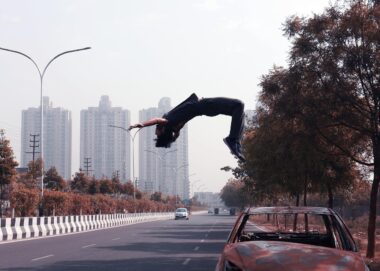
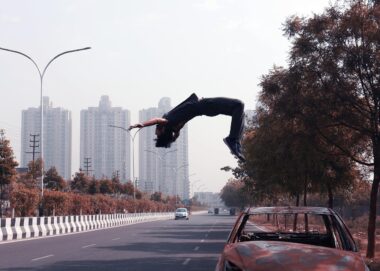
Freerunning as an innovative sport celebrates creativity and individual expression, allowing athletes to showcase their unique styles. Advanced parkour techniques help contributors to personalize their movements, but it is the creative incorporation of these techniques that sets them apart. Each runner can adapt skills according to personal strengths and preferences, ultimately achieving a style that embodies their personality. To master personalized styles, athletes often experiment with different combinations of flips, spins, and vaults. This experimentation leads to an authentic representation of one’s character while working within the realm of freerunning. The blend of athletic prowess and artistry attracts diverse practitioners, each contributing to a rich community. Freerunners often draw inspiration from numerous sources, including art, music, or urban landscapes. This evolving form makes it essential for individuals to find a balance between practicing advanced techniques and honing their creative expressions. As they develop their skills, they cultivate a deeper understanding of the sport, opening doors to innovative choreography. Enabling a community of artistic thinkers, freerunning thrives on the genuine passion of its practitioners to push boundaries creatively, both physically and mentally, while executing advanced parkour techniques.
Freerunners thrive within communities where creativity intertwines with athletic performance. These communities not only foster inclusivity but also enhance the growth of individualized movements inspired by the unique backgrounds of each athlete. Techniques like wall flips, precision jumps, and Kong vaults serve as the foundation, yet how each individual incorporates these movements leads to distinct personal styles. Personal influences range from cultural heritage to artistic experiences. For example, some freerunners might adopt flowing motions influenced by dance, creating a visually stunning combination of athleticism and art. On the other hand, street art and urban landscapes might inspire gritty, raw execution. This mix of personal stylistic choices nurtures a vibrant ecosystem where ideas flourish. Moreover, the exchange of creative concepts among athletes stimulates inspiration, leading to the emergence of new techniques and provocations in performance. Mentorship plays a significant role, as more experienced freerunners share insights with newcomers, amplifying their potential through collaborative endeavors. Such collective efforts enhance the versatility in movement, showcasing the endless possibilities that arise in an ever-evolving community where creativity reigns supreme, constantly redefining the world of advanced parkour.
The Importance of Training in Advanced Parkour Techniques
Comprehensive training regimens become paramount for freerunners aspiring to achieve advanced parkour techniques. Such training fosters a firm foundation, allowing athletes to build upon basic skills while venturing into complex maneuvers. Conditioning and strength training are essential elements, ensuring the body can handle the demands posed by high-level executions. Specifically, cardiovascular health, agility, and flexibility contribute significantly to performance longevity. Engaging in a variety of workouts, including plyometrics, balance exercises, and functional strength training, boosts overall athletic ability. Structured training environments encourage the safe practice of advanced moves, enabling athletes to innovate freely without the fear of injury. Participating in workshops or guidance from experienced practitioners helps refine techniques further. Often, athletes will film their training sessions, analyzing footage for improvement opportunities and technique optimization. The self-critique process fosters personal growth within the realm of freerunning, establishing a cycle of constant enhancement. Furthermore, sharing training techniques and breakthroughs among peers serves as motivation, pushing each athlete to realize their potential. In this competitive environment, where creativity meets athleticism, training practice emerges as a cornerstone for success in advanced parkour methodologies.
As athletes progress in their advanced parkour journeys, they discover the artistic nuances that intertwine with physical prowess. Stories unfold through movement; the way they navigate architectural layouts tells a narrative, reflecting their inner creativity. Freerunners learn to interpret their environments, utilizing obstacles as canvasses for expression. From graceful landings to exhilarating flips, each concept adopted creates a unique movement vocabulary. Participants begin to shape their parkour expressions into broader artistic statements, drawing parallels between dance, theater, and other performing arts. Integration of music often enhances the overall experience, as athletes synchronize their movements to varied rhythms, giving performances added depth. By engaging with local art communities, freerunners can channel inspiration from various artistic disciplines, eventually leading to performances that are both physically intense and visually captivating. Many freerunners actively promote this fusion by organizing performances or collaborating with visual artists to highlight their stories. These initiatives further emphasize creativity’s role in the sport, enlivening urban spaces. The result is a dynamic showcase of personalized styles, marking the evolution of freerunning from mere physical feats into a vivid art form enriched by each participant’s personal narrative.
Community Support and Collaboration in Freerunning
The community’s role in the evolution of freerunning cannot be underestimated. Through camaraderie and interaction, athletes foster atmospheres that nurture individual creativity. Many freerunners find motivation and inspiration among peers, encouraging each other to explore new techniques and artistic styles. Group training sessions provide ideal opportunities to collaborate, share feedback, and push the limits of their abilities. This collective support structure instills confidence, helping athletes overcome fears and foster a collaborative spirit. Freerunning collectives often arrange events, competitions, or showcases, enabling participants to perform in front of live audiences. These occasions build connections within the community, creating platforms for diverse backgrounds and exposures to unite. Mentoring systems play a crucial role; experienced practitioners guide newcomers, offering insights into developing personal styles through shared techniques. A vital aspect of this process is the exchange of knowledge; newbies absorb foundational principles while experienced athletes refine and adapt their methodologies. As teams build group dynamics, they discover how collaboration fuels creativity, revealing the power of art and athleticism in synchrony. Ultimately, the community element serves as an enriching avenue for both personal and collective growth in advanced parkour.
Aspects of personalization in freerunning heavily depend on the freedom to explore varied environments. Urban landscapes, with their distinct layouts and obstacles, inspire athletes to experiment, leading to unique manifestations of skill. Freerunners often utilize graffiti, textures, and architecture as backdrops in their creations, recognizing the ingenuity of their surroundings. These environments promote original movements that capture the essence of each athlete’s individuality. Furthermore, as practitioners travel to different locales, they can encounter new challenges that invoke inspiration, urging them to adapt their movements and refine their personal styles. The act of exploration becomes an essential component of performance development; urban parks, rooftops, or ruined buildings present both excitement and risk. Each new challenge refines their movement adaptations, advancing their repertoire. Participants document these experiences through social media or vlogs, showcasing their journeys and inspiring future generations of freerunners. As personal explorations unfold in various environments, a global storytelling environment emerges, influenced by distinct cultural interpretations and artistic individualities. This evolution directly influences the broader community’s fabric, encouraging a further amalgamation of creativity and advanced parkour techniques that span beyond individual preferences.
Embracing Challenges to Innovate in Freerunning
In the world of freestyle movement, challenges serve as catalysts for innovation and personal growth. Athletes actively seek out obstacles and difficult terrains, using these encounters to expand their skill set and evolve their styles. Embracing challenges fosters adaptability and resilience; the mindset of overcoming barriers is a core principle of both parkour and freerunning. Each failed attempt becomes an opportunity to learn valuable lessons, urging participants to persist in their pursuits. By consciously undertaking tasks perceived as daunting, freerunners ignite creative problem-solving skills, exploring alternative techniques and solutions. The essence of advanced parkour lies in its continuous evolution, wherein tackling challenges leads to greater understanding and mastery of movement. These experiences forge a deeper connection with the sport; runners develop not just strength but also creativity and tenacity. They begin to understand that every jump, roll, or vault melds athleticism with artistry. The journey through adversity ultimately shapes personal styles, weaving a rich tapestry of skills reflective of each athlete’s journey. After overcoming numerous obstacles, these artists imprint their individualized narratives onto the landscape, ultimately showcasing their engagement, creativity, and mastery of advanced parkour techniques.
As you reflect on the journey through advanced parkour, the importance of creativity cannot be overstated. Freerunning transcends physical limits, allowing athletes to carve out their unique identities while pushing the boundaries of their capabilities. The sport stands as a testament to human potential, where individual expressions meets collaborative support. It is essential for participants to acknowledge their backgrounds as pathways that shape and inform their styles, creating an enriched cultural canvas. By intertwining movements with personal narratives, freerunners can effectively communicate their stories through their performances. Moreover, the evolution of freerunning signifies a continuous dance of technique and creativity, creating a captivating spectacle within urban environments. As the community grows, so do the opportunities for cross-pollination of ideas and artistic expressions. This evolution enhances not only the sport but the broader perception of what defines movement. Emphasizing personal styles underlines the transforming nature of freerunning and its role in fostering creativity while retaining athletic discipline. With dedicated practice and perseverance, athletes captivate audiences worldwide, enriching the sport’s legacy of innovative artistry. Freerunners will continue to redefine what is possible as they embrace creativity and advance their personal expressions.