
Applications of Newtonian Mechanics in Biomechanics
Newtonian mechanics serves as a foundational element in biomechanics by providing vital insights into the mechanics of human movement. This branch of physics, centering on the laws of motion and forces, has numerous applications in areas such as sports science, rehabilitation, and ergonomics. By analyzing how forces act upon the human body, practitioners are better equipped to enhance athletic performance, prevent injuries, and design safer work environments. One primary application of Newtonian mechanics in biomechanics involves the assessment of ground reaction forces during running or jumping activities. This analysis helps understand the body’s response to external forces, guiding athletes and therapists in their training and rehabilitation regimens. By utilizing tools such as force plates and motion capture systems, practitioners can glean data regarding how different surfaces affect performance and the biomechanical stresses placed on the body. Additionally, such assessments can aid in identifying potential injury risk factors. The information obtained from these analyses can directly influence training regimens, ensure adherence to safe practices, and optimize techniques in both recreational and competitive sports settings.
Another significant application of Newtonian mechanics in biomechanics lies in gait analysis, especially in clinical settings. Understanding the complexities of walking or running can yield insights into patients’ conditions and the development of effective rehabilitation strategies. When conducting a gait analysis, specialists evaluate the forces and moments acting on various body parts, including the joints, muscles, and tendons. By assessing how these components interact while a person moves, biomechanics experts can unveil inefficient movement patterns or imbalances that may lead to discomfort or injury. Advanced motion capture technology, alongside force measurement tools, enables a detailed breakdown of gait mechanics. As a result, therapists can tailor exercise programs that address specific issues and improve overall functional mobility. Furthermore, this application becomes particularly valuable when working alongside populations with inherent challenges, such as the elderly or individuals recovering from surgery. By focusing on improving gait mechanics through targeted interventions, patients can enhance their quality of life and regain independence. Simply put, integrating knowledge from Newtonian mechanics into rehabilitation practices fosters recovery and empowers individuals toward achieving optimal mobility.
Force and Torque in Biomechanics
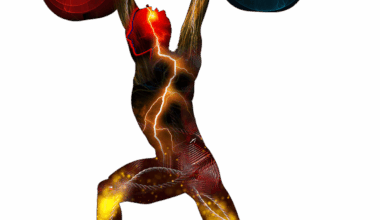
Force and torque calculations provide essential insights into the effectiveness and safety of various biomechanical practices. The concepts of force, mass, and acceleration are crucial when examining movement through the lens of Newton’s second law. By understanding how to manipulate these elements, coaches and biomechanists can optimize athletic training routines, leading to enhanced performance and reduced injury risks. In activities such as weightlifting or gymnastics, torque becomes a focal point since it relates to how forces are applied at an angle to joints. Analyzing joint torque enables professionals to ascertain whether athletes are utilizing proper mechanics while executing lifts or rotations. Incorrect torque application can lead to undue stress on joints, increasing the potential for injuries. Additionally, understanding torque contributes to improved equipment design, as it helps in determining the best angles and positions for athletes during competitions. Safety measures in strength training regimes also heavily rely on torque calculations, ensuring that movements remain mechanically sound. All these insights significantly contribute to the advancement of sports science and enhance the performance of athletes across various disciplines.
Furthermore, the integration of Newtonian mechanics into rehabilitation settings is vital for designing orthopedic devices and prosthetics. By understanding the principles of biomechanics, engineers can create better devices that mimic natural movements and accommodate users’ needs. Modern research emphasizes the importance of dynamic forces and moments acting upon the body, providing valuable insights into how various external factors influence implant design and function. For instance, understanding the loading conditions experienced during daily activities enables a more efficient design of joint replacements capable of sustaining those forces. This approach not only enhances the device’s functionality but also improves patient outcomes significantly. In the context of prosthetics, biomechanics helps ensure proper alignment and weight distribution reduces complications, thus leading to a more natural gait pattern. Additionally, customization to individual biomechanics could optimize functionality across varying activity levels. Therefore, the principles of Newtonian mechanics prove indispensable in developing devices that facilitate movement and independence for individuals throughout their lives. Ultimately, the synergies of engineering and biomechanics play a crucial role in advancing devices that enhance overall mobility and quality of life for users.
Applications in Sports Engineering
In sports engineering, the application of Newtonian principles is instrumental in enhancing athletic performance and improving equipment design. When it comes to analyzing the mechanics of sporting movements, factors such as force application, resistance, and material properties play pivotal roles in determining outcomes. Biomechanics professionals often engage in the development of innovative sporting gear designed to optimize human performance while ensuring safety. For example, the design of shoes tailored for specific sports requires an understanding of how forces interact with different surfaces and body movements. Additionally, utilizing computer simulations, engineers can predict how materials perform under various conditions, enabling them to refine their designs. This approach helps create equipment that reduces drag, enhances stability, and improves overall comfort, which translates into better performance during critical moments of competition. Athletes benefit from customized gear that caters to their biomechanics, ensuring optimal support without compromising their natural movement. As a result, integrating biomechanics principles and Newtonian mechanics continues to evolve, leading to exciting advancements in the world of sports engineering.
Moreover, understanding the role of resistance and dynamics in Newtonian mechanics provides valuable data for crafting sports techniques that promote efficiency. Athletes constantly strive for the perfect mechanics in their performance to harness maximum output with minimal energy expenditure. By leveraging Newton’s laws to analyze techniques, coaches can easily identify critical areas where improvements can be made. For instance, in swimming, biomechanics enables the assessment of resistance forces exerted by water during different strokes. This type of analysis provides insight into minimizing drag and optimizing buoyancy, leading to an improved overall performance. The same principles apply to runners, cyclists, and other athletes striving to optimize their techniques. Data collected from motion analysis can directly inform an athlete’s training regime, ultimately contributing to breakthroughs in personal bests and record performances. Through rigorous experimentation and evidence-based adjustments, athletes can enhance their biomechanics without overexerting themselves, resulting in greater endurance and performance longevity. In this way, the application of Newtonian mechanics within biomechanics acts as a catalyst for continuous performance enhancement.
Future of Biomechanics and Newtonian Mechanics
Moving forward, the integration of advanced technological solutions and Newtonian principles promises exciting prospects for the realm of biomechanics. As we continue to enhance our understanding of biomechanics, the potential for innovation in treatment methodologies, performance analysis, and injury prevention broadens significantly. Emerging fields such as wearable technology facilitate the gathering of real-time data on an individual’s biomechanics, advancing personalized training and rehabilitation approaches. This data-driven approach can revolutionize how athletes train by providing them with specific metrics that can influence their technique and performance. Furthermore, the incorporation of virtual reality and artificial intelligence in biomechanics will enhance the training experience for many athletes by simulating varied environmental conditions and challenges. The application of Newtonian mechanics in these technologies will pave the way for deeper insights into human movement and mechanics through precise measurements. As sports science and biomechanics continue to grow, integrating these innovations holds the promise for spectacular breakthroughs, enhanced athlete performance, and further developments in rehabilitation practices. The future of biomechanics, rooted in Newtonian mechanics, looks set to redefine how we approach physical activity in various settings.
Ultimately, the evolution of biomechanics rooted in Newtonian physics extends to interactive platforms for education and public engagement. Initiatives to make biomechanics more accessible to students, athletes, and the general public help share knowledge about how forces interact within human movement. By breaking down complex concepts into more digestible content, these educational platforms can foster a better understanding of body mechanics. Such initiatives may involve interactive workshops, virtual simulations, and engaging infographics that illustrate principles in an engaging manner. Encouraging community involvement fosters a culture of informed movement practices that prioritize safety and performance benefits. By successfully spreading knowledge, future generations will be better prepared to address the challenges of sports and exercise, leading to improvements in areas such as health and well-being. Additionally, increased public awareness of biomechanics can lead to enhanced collaborations among professionals, enabling the sharing of ideas and best practices across diverse fields. Thus, the emphasis on education and outreach serves as a critical component of the biomechanics community, sustaining momentum toward greater achievements in safety, performance optimization, and interdisciplinary collaboration.