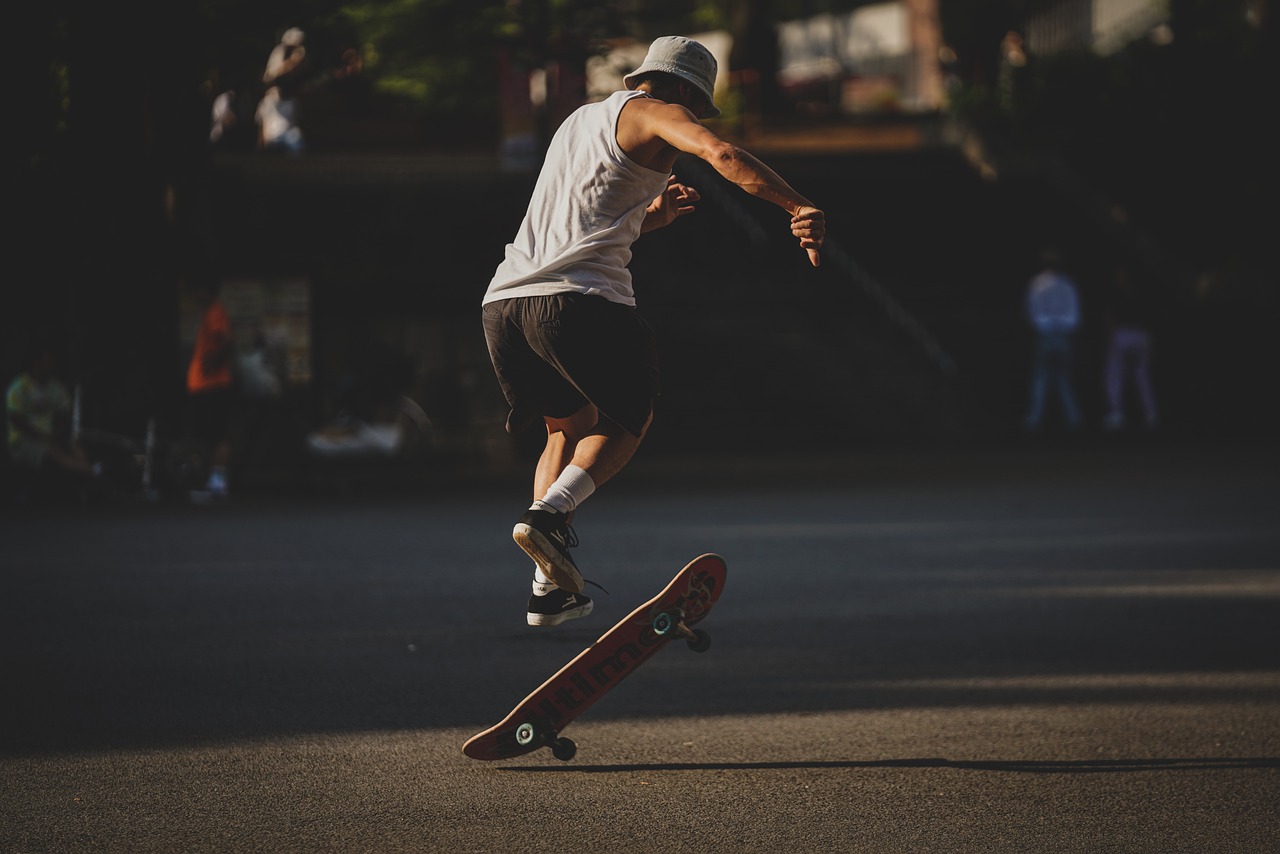

The History of Skateboarding Legal Restrictions in Urban Areas
The history of skateboarding and its legal restrictions in urban areas is quite extensive. It began in the 1950s and 1960s, when skateboards were first designed, and quickly became popular among kids and teenagers. As the sport gained traction, it began to attract the attention of city planners and local governments. Urban areas often faced challenges in balancing skateboarding with public safety and community standards. Consequently, many local authorities initiated regulations that limited where skaters could ride. In cities across the United States, skateboarding became synonymous with delinquency in public spaces. This perception led to the implementation of prohibitive measures and, in some cases, bans. Cities devised several ways to handle this influx of skaters in urban spaces. They began constructing designated skate parks, aiming to contain the sport within controlled environments. However, these regulations often came with a heavy price, actively suppressing the organic growth of the sport and its culture. Today, we often look at the flourishing skateboarding community and the efforts to provide dedicated, sustainable spaces for riders to enjoy their passion without legal repercussions.
Skateboarding and the Evolution of Urban Spaces
As skateboarding grew in popularity, so did the conflict between skaters and urban planners. Cities initially viewed skateboarding as largely a nuisance, a rebellious act challenging the order of public spaces. Legal restrictions were often implemented to manage this tension, which led to skaters seeking alternative venues to practice their passion. Parks, plazas, and other urban areas became prime locations for skateboarders, leading to an underground culture flourishing outside established regulations. However, the persistence of skaters pressurized city officials to consider how to manage this vibrant culture rather than suppress it. Many cities adapted their strategies, recognizing the importance of skateboarding as part of urban culture. Demands for inclusivity led to the development of skate parks. These specialized spaces aimed to offer a safe environment for skateboarding enthusiasts to ride and interact. Interestingly, some cities acknowledged the economic benefits of skate parks. They attracted tourism, local events, and sponsorships, bolstering local economies through skateboarding culture. This shift highlights a significant turning point in how municipalities see urban amenities and their diverse user groups.
Legal issues related to skateboarding don’t just reside in local ordinances. They often extend to community relations, with diverse stakeholders having varying views on this increasingly popular sport. Residents, parents, city planners, and the skaters themselves often find themselves with differing opinions on skateboarding in urban spaces. For instance, complaints can arise over noise levels, accidents, or the perceived risk of injury in public areas. These issues often shape the legal landscape skaters must navigate. In response, several cities initiated community engagement efforts. These programs sought to bridge the gap between skaters and residents. Initiatives included local forums, skate workshops, and awareness programs that elucidated the skills and discipline associated with skateboarding. As communities began fostering dialogue, many places reconsidered their stance towards skateboarders. Some cities even commenced trial periods with temporary skate-friendly zones. These initiatives aimed to collect feedback on the impact of skateboarding on urban life. Consequently, cities are more informed when making future decisions about skateboarding legality and the associated design of urban spaces.
The Role of Skate Parks in Urban Areas
The emergence of skate parks marks a significant development in the legal landscape of skateboarding within urban areas. The primary goal of these parks is to offer designated spaces where skateboarders can ride freely without legal hassles. Skate parks provide an essential outlet for creativity and athleticism. However, the construction of these parks comes with challenges, including funding, location selection, and community involvement. Many cities have initiated partnerships with local organizations, businesses, and skateboarding communities to create these parks. This collaborative approach aims to ensure that skate parks meet the suggestions and needs of skaters, aligning with community values. Additionally, the design of these parks often incorporates input from skaters, making them functional and engaging. Many contemporary parks offer varied terrains, such as ramps, rails, and bowls, catering to beginners and seasoned riders alike. Also, skate parks have begun to prioritize accessibility and safety while maintaining vibrant and challenging experiences. As the demand for these facilities continues to rise, cities often analyze the long-term benefits of investing in dedicated spaces for skateboarding culture and community engagement.
Aside from skate parks, urban areas have witnessed a surge in events and competitions dedicated to skateboarding, further enhancing its acceptance. City-sponsored skateboarding events foster community spirit, connecting skaters and local businesses. These events also provide an opportunity for cities to showcase their support for skateboarding as a legitimate sport. The rise of skateboarding in popular culture during the late 20th century, particularly in multimedia and fashion, has further contributed to changing perceptions. Public figures and influencers advocating for skateboarding have positively impacted how the sport is viewed. Conversely, some communities remain resistant, emphasizing that traditional skateboarding culture sometimes conflicts with their community standards. However, the ongoing dialogue between stakeholders is crucial. Events like skateboarding clinics, exhibitions, and competitions can demystify skateboarding for skeptics. They allow for firsthand experience of the fun, camaraderie, and excitement associated with the sport. Cities that embrace this approach often witness a transformation in attitudes toward skateboarding, further aiding in the reduction of legal restrictions and encouraging a better coexistence between skaters and residents.
The Future of Skateboarding in Urban Areas
The future of skateboarding in urban areas holds exciting prospects amid evolving legal frameworks. As cities strive to be more inclusive and adaptive to the shifting dynamics of public spaces, skateboarding’s image continues to transform. Urban planners are increasingly recognizing the need for balance between various recreational activities. The proactive dialogue established between local governments, residents, and skateboarding communities emphasizes the importance of shared spaces where all users are considered. Cities that successfully integrate skateboarding into urban planning often find newer economic opportunities, bringing additional tourism and enjoyment for local residents. Countries around the world have also begun prioritizing skateboarding in their infrastructural developments, further legitimizing the sport. Global events, like the inclusion of skateboarding in the Olympic Games, have also placed a spotlight on the sport, encouraging cities to foster the necessary environments for talent to flourish. Moreover, skateboarding has proven resilient, with its youth-centric culture adapting and moving forward despite challenges posed by restrictions. Today, cities are inspired to create multifunctional environments that combine the excitement of skating with urban landscape aesthetics, ultimately enriching community life.
In conclusion, the development of skateboarding legal restrictions in urban areas reflects the evolving interaction between culture, community, and governance. Historical perceptions of skateboarding as a rebellious and disruptive activity have faded into an acknowledgment of its cultural significance. Alongside the establishment of legal regulations, a growing acceptance is evident, as well as the emergence of designated skate spaces. Skateboarders, local communities, and city officials now collaborate to shape not just policies, but also how urban environments can support active, vibrant lifestyles. This ongoing partnership leads to improved understanding and respect for the sport and its enthusiasts. As this relationship continues to deepen, the hope is that enduring skateboarding culture will find a permanent home within urban planning narratives. We can expect ongoing advocacy for skateboarding-friendly policies and spaces, ultimately perpetuating a cycle of inclusion and acceptance. As global attitudes shift alongside increased participation, communities will likely become even more invested in securing spaces for skateboarding that respect both cultural identity and public safety.